
 EN
EN
 ar
ar bg
bg hr
hr cs
cs da
da nl
nl fi
fi fr
fr de
de el
el hi
hi it
it ko
ko no
no pl
pl pt
pt ro
ro ru
ru es
es sv
sv tl
tl iw
iw id
id lv
lv lt
lt sr
sr sk
sk sl
sl uk
uk vi
vi et
et hu
hu th
th tr
tr fa
fa ms
ms hy
hy ka
ka ur
ur bn
bn mn
mn ta
ta kk
kk uz
uz ku
ku
Corrosionresistant Hydrological Cable
Core planning for Kingmach Corrosionresistant Hydrological Cable should be finished before the cabinet layout is frozen. Two-core, three-core, and four-core formats support simpler instrument runs, while six-core, seven-core, nine-core, and ten-core formats help when several conductors need to follow one protected path. The local product data lists 2 m per piece for lower core counts and 6 m per piece for higher core counts. Buyers can use that information to prepare terminal blocks, labels, spare cores, and inspection notes before field crews start pulling cable.
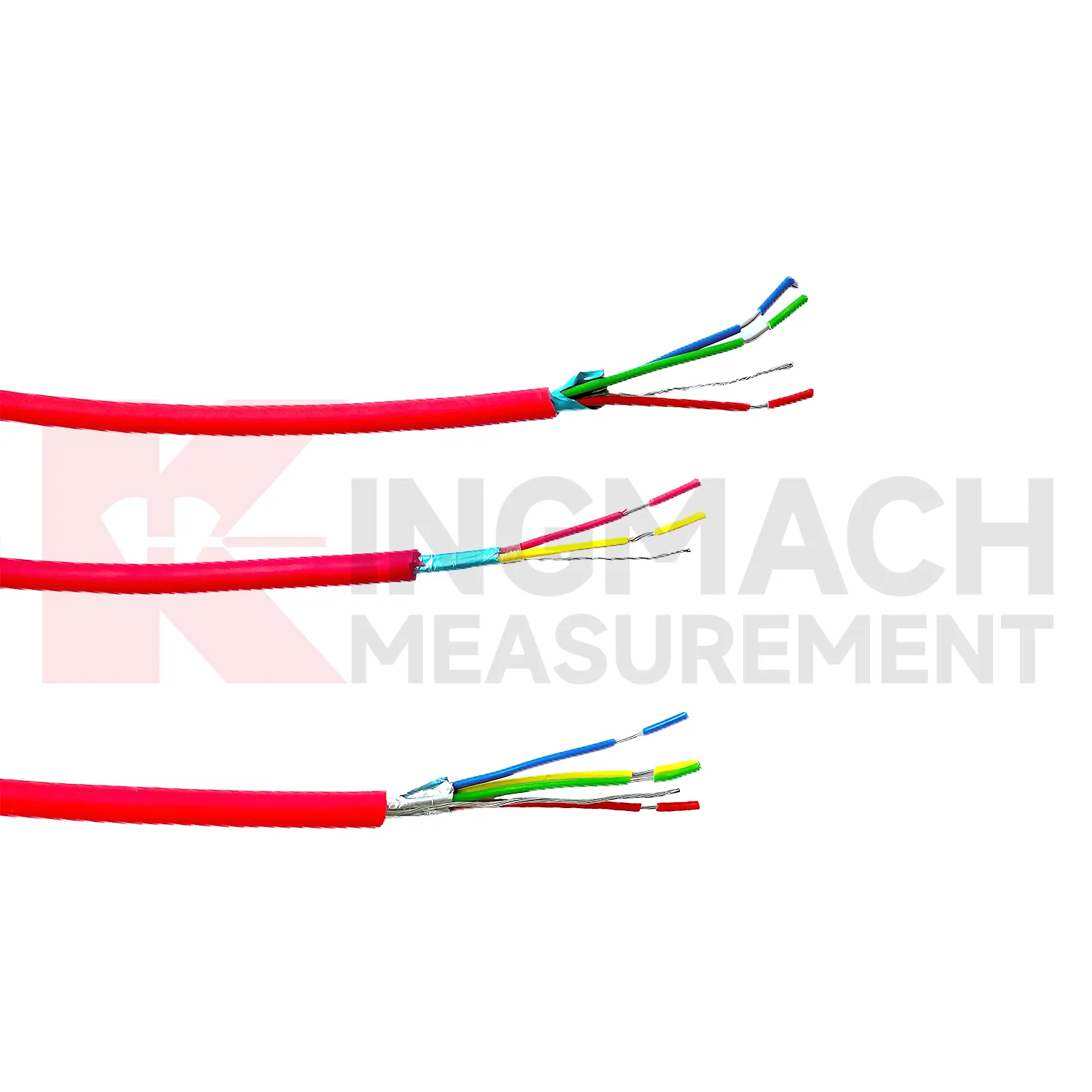
Application of Corrosionresistant Hydrological Cable
Tunnel projects use Kingmach Corrosionresistant Hydrological Cable where sensor routes may run along walls, through cabinets, across wet sections, or near construction equipment. During excavation, lining monitoring, or operation, cable routes can face dust, vibration, dripping water, and accidental pulling. JMZX-XPX supports stable signal transmission for precise sensor readings in noisy areas, while JMZX-XSX helps in damp or water-affected sections. Proper route fixation and end sealing reduce intermittent faults that may otherwise appear as lining movement, deformation, or instrument failure.
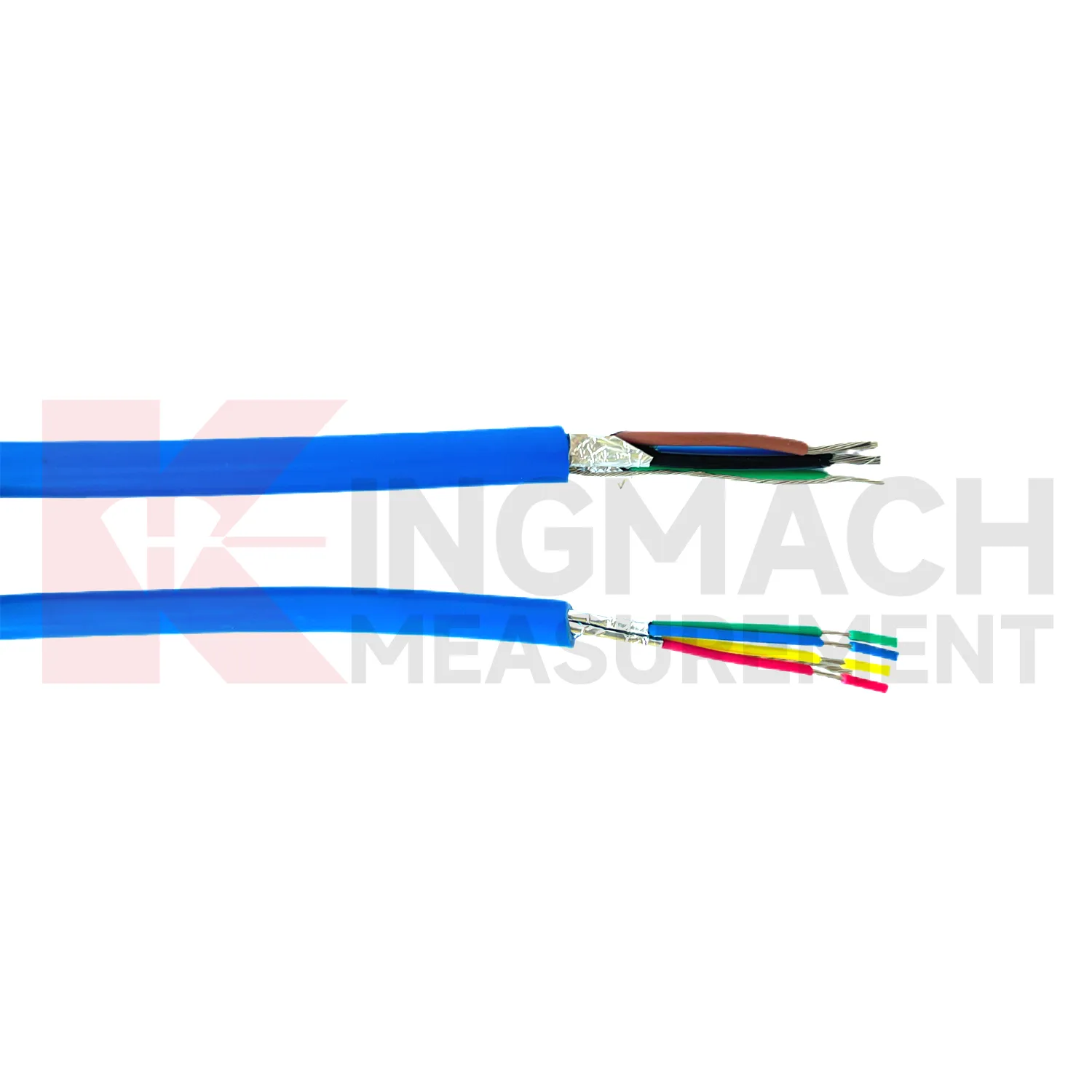
The future of Corrosionresistant Hydrological Cable
Digital twin projects will use Kingmach Corrosionresistant Hydrological Cable as part of the physical link between a real structure and its virtual record. A twin needs sensor data that can be traced back to known points, known channels, and known installation routes. Cable documentation will therefore become part of the model history, not merely a maintenance note. When a bridge, dam, tunnel, or building record changes, reviewers can check both structural behavior and cable condition before updating risk status or maintenance plans.
Care & Maintenance of Corrosionresistant Hydrological Cable
Keep a maintenance history for Kingmach Corrosionresistant Hydrological Cable that includes route photos, repair dates, connector changes, cabinet work, water exposure, and any site activity near the cable. This history is useful when engineers review long-term data trends. A sudden change may come from a structural event, but it may also follow a cable repair, moved conduit, wet junction box, or changed channel assignment. Good records let the team separate those possibilities without repeated site visits.
Kingmach Corrosionresistant Hydrological Cable
Kingmach Corrosionresistant Hydrological Cable are important because many monitoring faults first appear as small connection problems rather than sensor damage. A loose connector, wet cable end, crushed sheath, or cable running beside strong electrical equipment can create readings that look like structural movement. Shielded and sealed cable construction helps reduce that risk when paired with careful routing and cabinet work. The product category covers test-specific shielded wires and hydraulic cables made for anti-interference, waterproof, moisture-proof, and wear-resistant service. In long-term structural health monitoring, this protects the credibility of strain, load, displacement, settlement, tilt, water level, vibration, and environmental records.
FAQ
Q: How do these cables affect online monitoring?
A: Cleaner cable input helps acquisition modules send steadier data to platforms, alarms, and trend reports.
Q: What should be recorded at handover?
A: Record model, core count, used conductors, spare conductors, route drawing, terminal numbers, and commissioning values.
Q: How should repair work be logged?
A: Write down the fault, removed section condition, new cable details, connector work, and the first stable reading afterward.
Q: Why do spare cores need records?
A: Unrecorded spare cores can confuse later expansion work or lead technicians to disturb an active channel.
Q: Can cable planning reduce site visits?
A: Yes. Clear routing, sealing, labels, and model selection help technicians locate faults without repeated trial checks.
Reviews
Michael Anderson
The strain gauges and load cells are extremely accurate and stable. They performed very well in our bridge monitoring project. Highly recommended!
Andrew Lee
The visualization software is intuitive and powerful. It helps us analyze monitoring data efficiently.
Latest Inquiries
To protect the privacy of our buyers, only public service email domains like Gmail, Yahoo, and MSN will be displayed. Additionally, only a limited portion of the inquiry content will be shown.
Amelia***@gmail.comSingapore
Hello, I am looking for visualization software for monitoring system data analysis. Please let me kn...
Isabella***@gmail.comGermany
Hello, we are evaluating weir flow meters for a water management project. Please share accuracy deta...