
 EN
EN
 ar
ar bg
bg hr
hr cs
cs da
da nl
nl fi
fi fr
fr de
de el
el hi
hi it
it ko
ko no
no pl
pl pt
pt ro
ro ru
ru es
es sv
sv tl
tl iw
iw id
id lv
lv lt
lt sr
sr sk
sk sl
sl uk
uk vi
vi et
et hu
hu th
th tr
tr fa
fa ms
ms hy
hy ka
ka ur
ur bn
bn mn
mn ta
ta kk
kk uz
uz ku
ku
Environmental Monitoring
Soil-condition monitoring in Kingmach Environmental Monitoring is about understanding what happens below the visible surface. Rainfall may be measured at the ground surface, but the engineering risk often depends on whether water enters the soil body, how deep it travels, and how long the wet condition remains. A buried moisture point can help connect weather, irrigation, drainage, groundwater, and deformation. This matters for slopes, embankments, reclamation areas, greenhouses, hydraulic works, and agricultural sites. The important field details are probe depth, soil contact, cable protection, soil type, and the nearby structural or geotechnical points that will be reviewed with it. If moisture rises at the same time a displacement rate increases, the relation is worth investigation. If the soil dries while movement continues, the team may need to look for excavation, loading, seepage, or structural causes. The value is comparative interpretation, not an isolated moisture value.
A good review habit is to compare the condition channel with the nearest asset behavior instead of reading it as a standalone weather value. That keeps the record tied to slope movement, bridge response, tunnel equipment, dam seepage, drainage behavior, or cabinet reliability.
The installation file should explain why the location represents the monitored area. If the point is sheltered, shaded, exposed, buried, elevated, or placed inside an enclosure, that fact changes how later readings should be understood by maintenance staff.
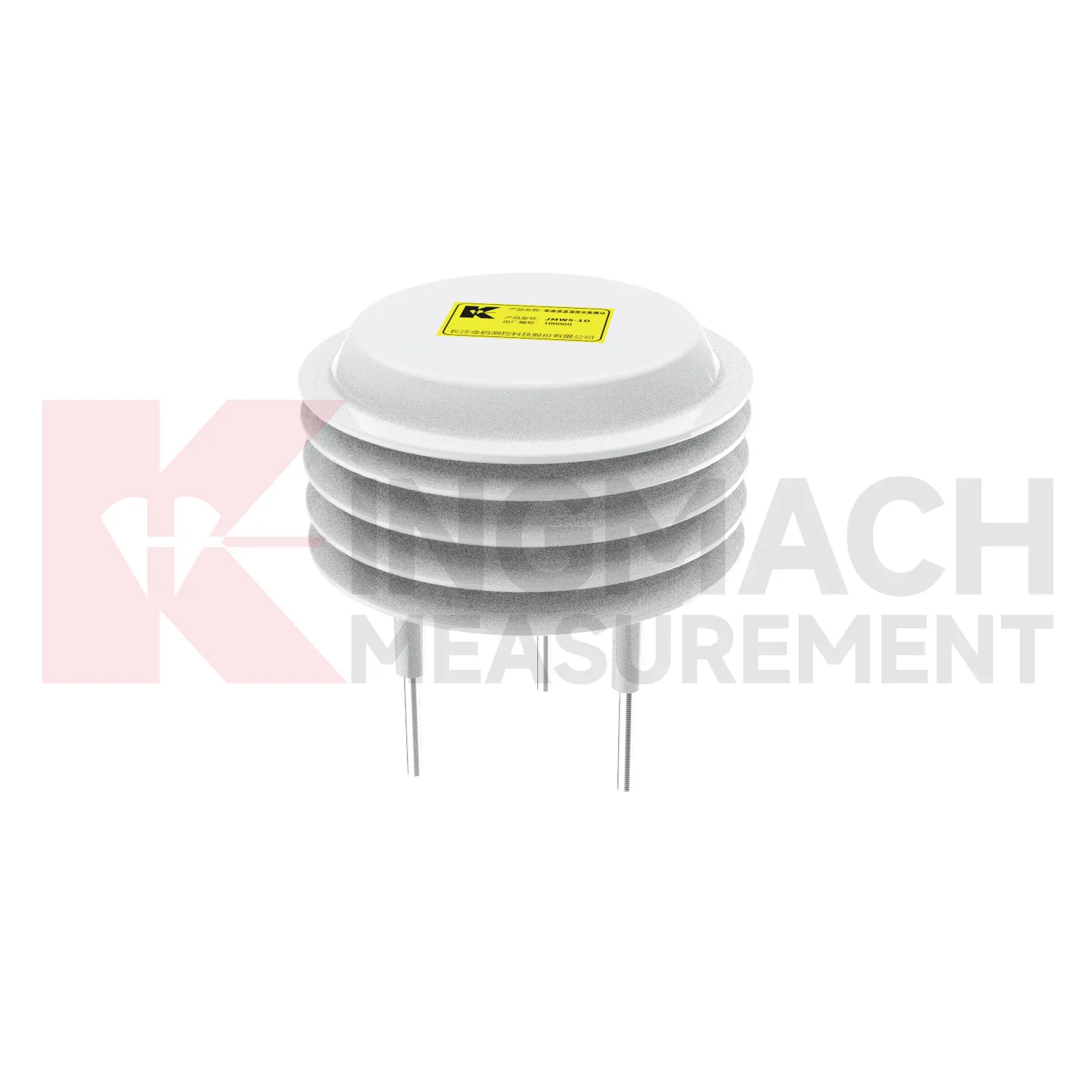
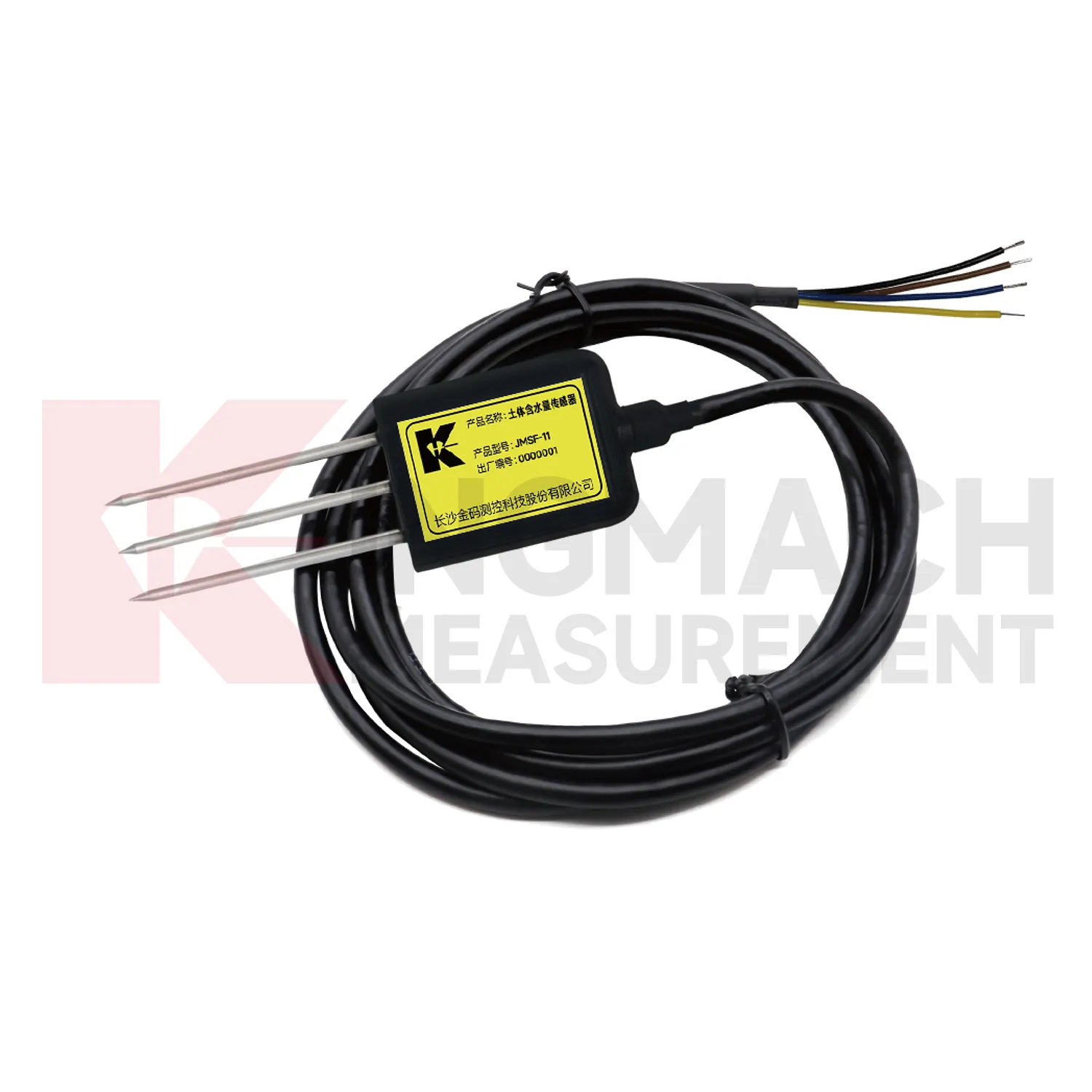
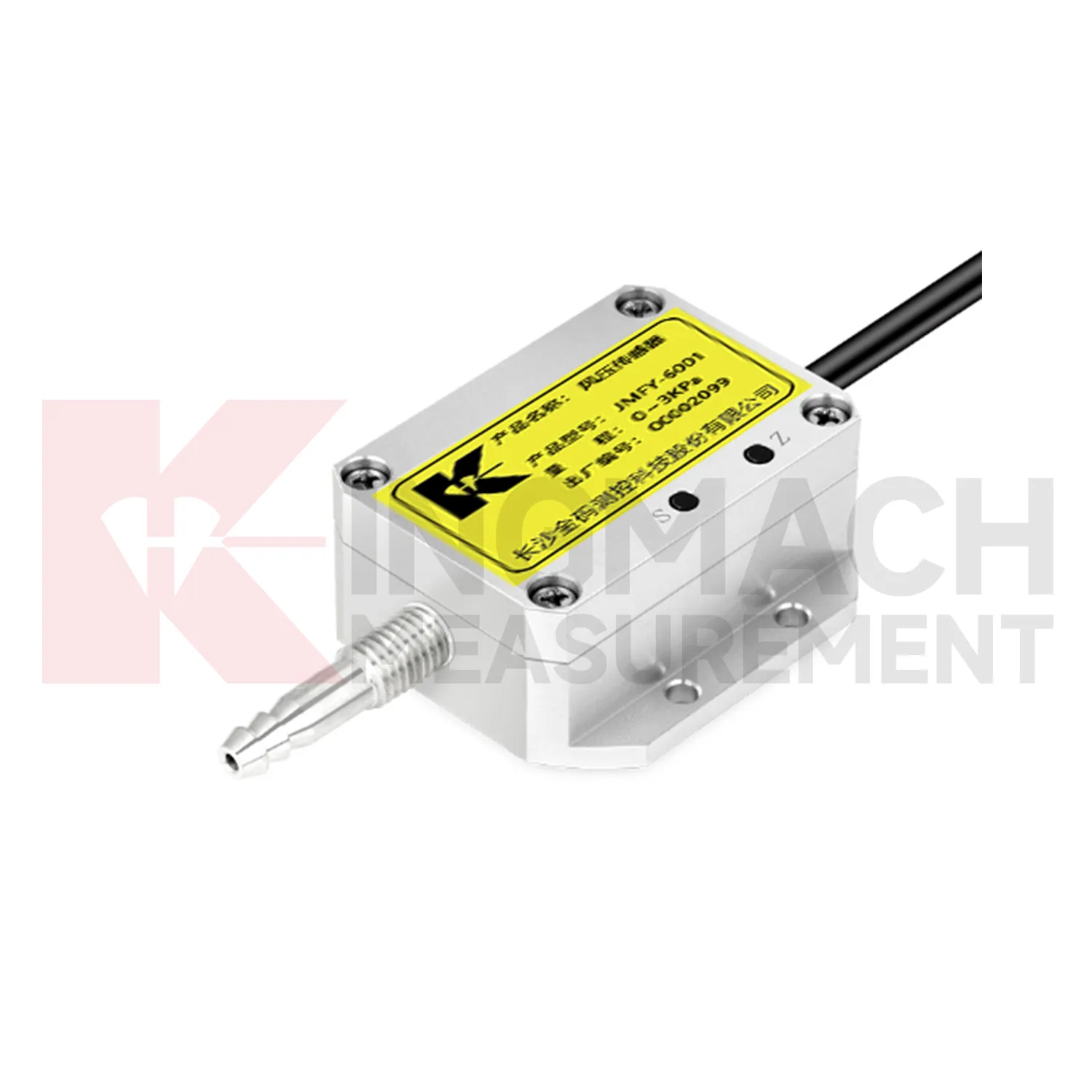
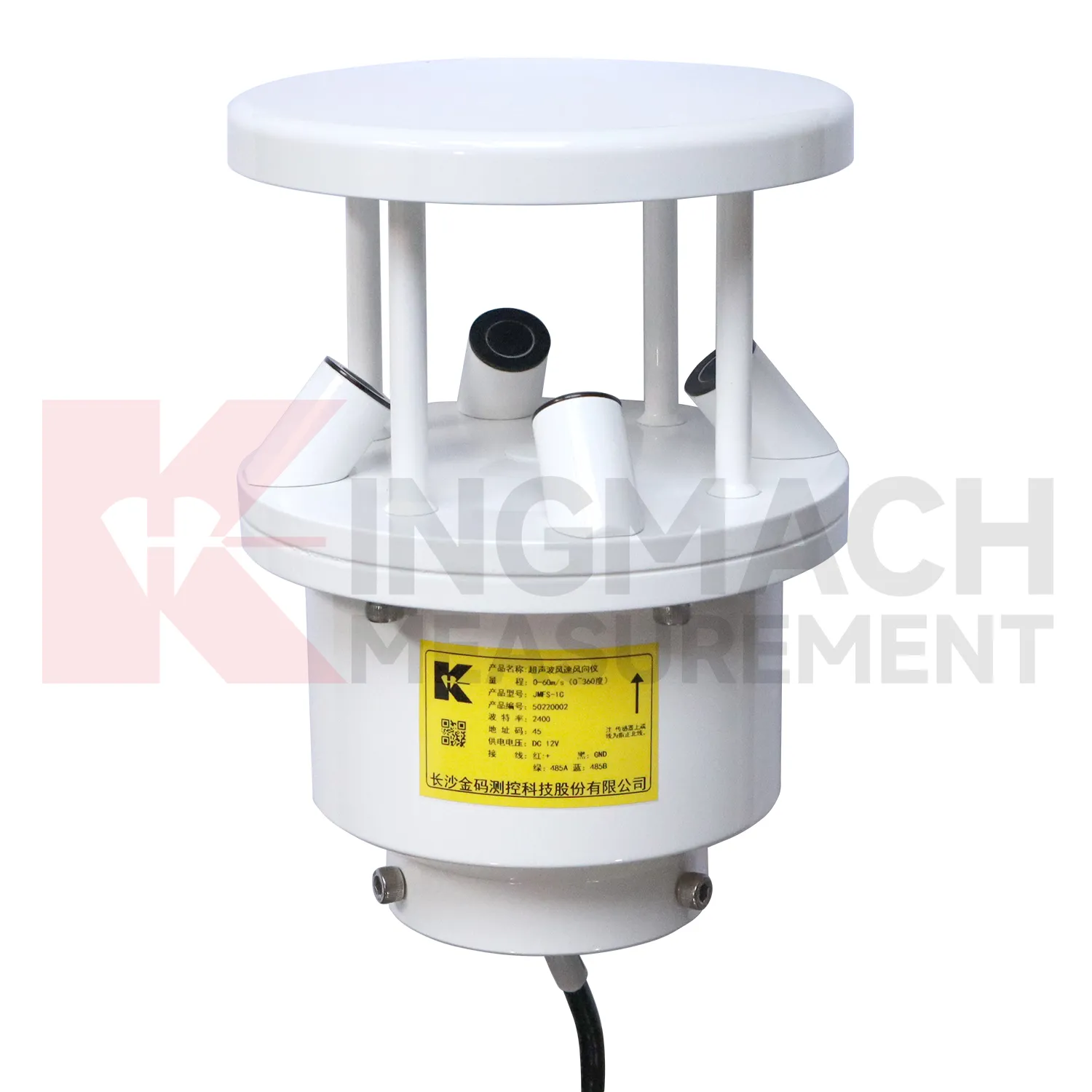
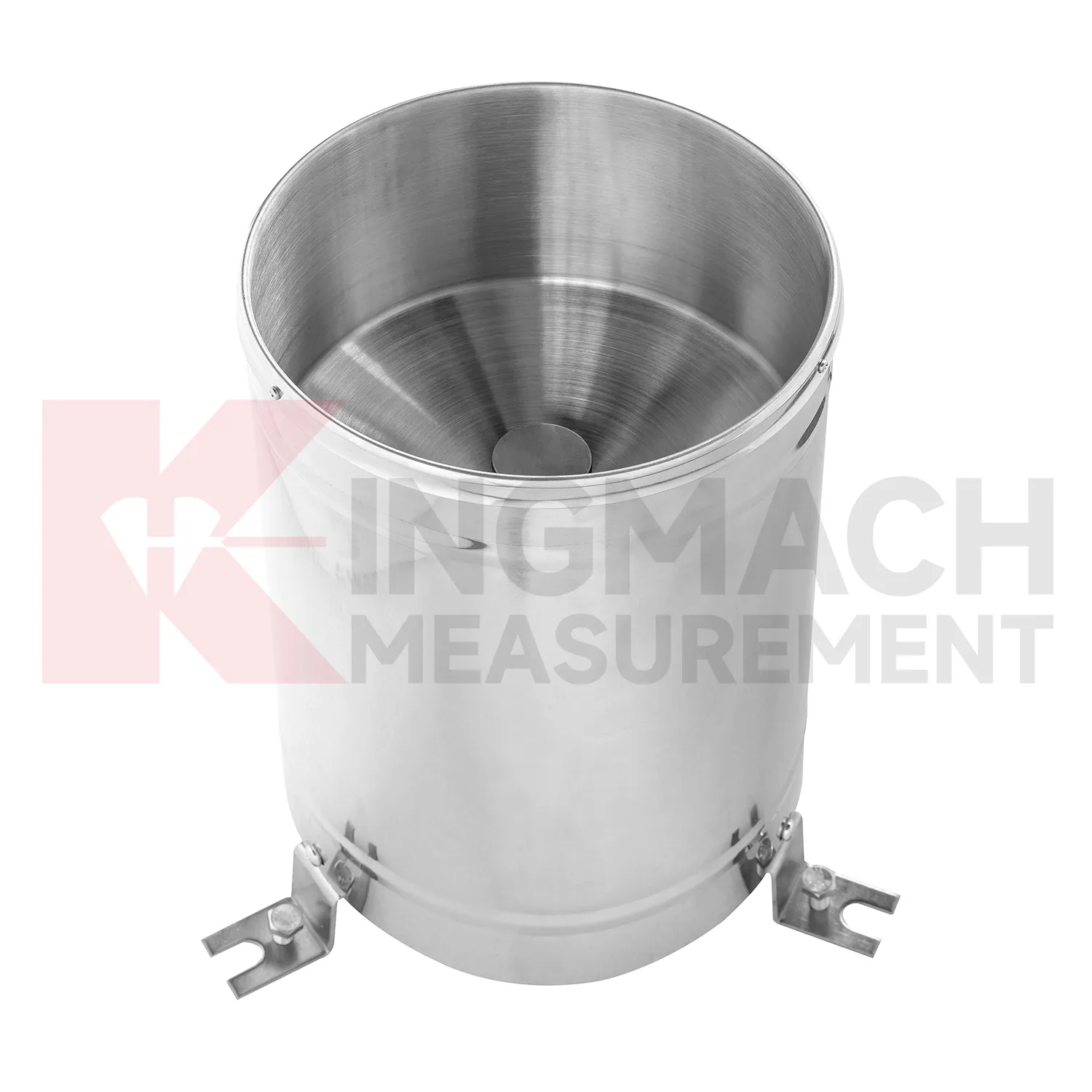
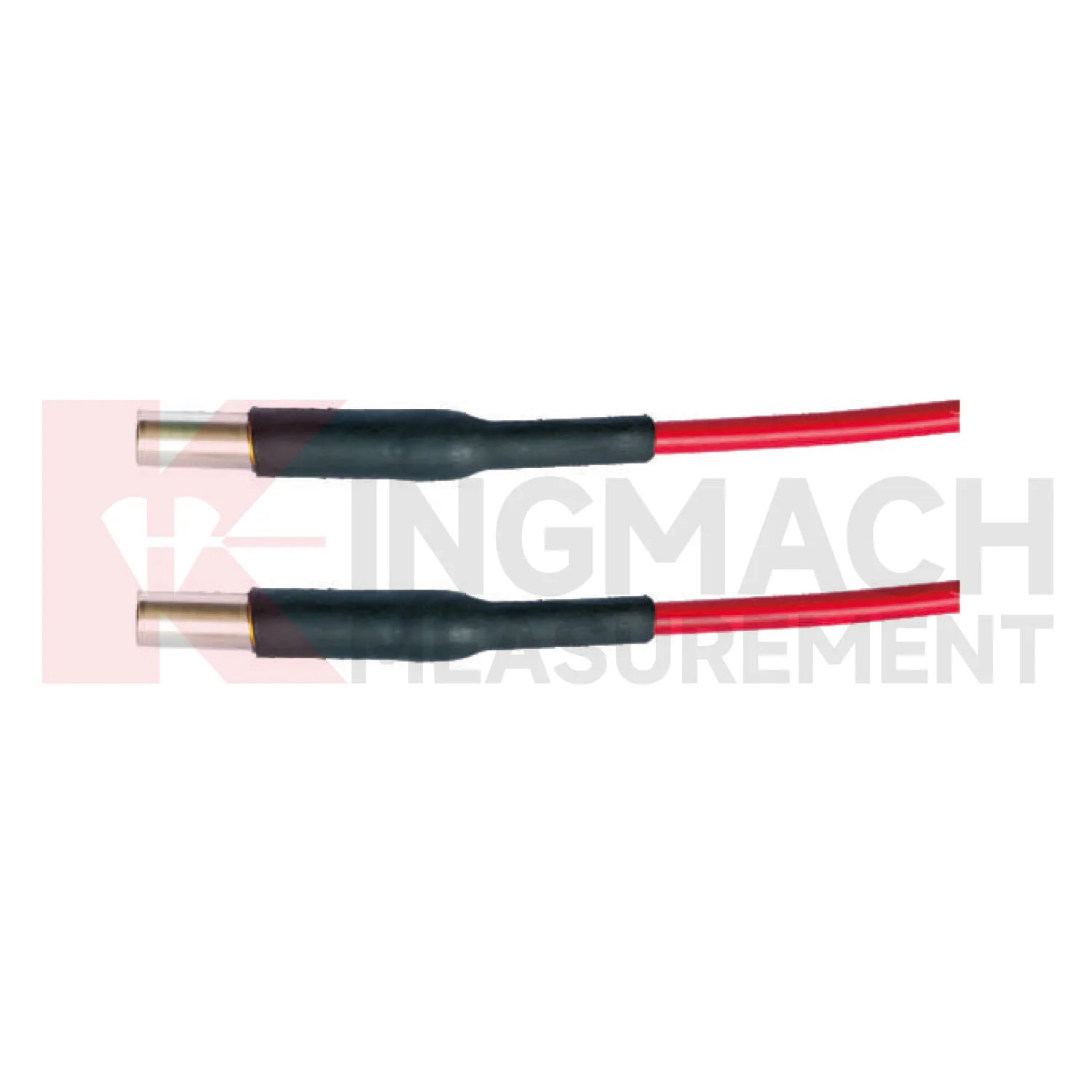
Application of Environmental Monitoring
Wind towers and tall structures use Kingmach Environmental Monitoring to compare exposure with structural behavior and maintenance needs. Wind, temperature, humidity, and pressure conditions can influence vibration, tilt, access decisions, cable routing, and enclosure life. An environmental station should avoid local shielding where possible and should be mounted with stable hardware that will not create its own movement. The record is useful when reviewed with acceleration, tilt, strain, foundation settlement, and maintenance events. If a tower shows unusual motion, the team can check whether the timing matches wind direction, gust activity, equipment operation, or service work. Long-term environmental records also help plan inspections after severe weather, icing, salt exposure, or repeated high-wind periods.
A good review habit is to compare the condition channel with the nearest asset behavior instead of reading it as a standalone weather value. That keeps the record tied to slope movement, bridge response, tunnel equipment, dam seepage, drainage behavior, or cabinet reliability.
The installation file should explain why the location represents the monitored area. If the point is sheltered, shaded, exposed, buried, elevated, or placed inside an enclosure, that fact changes how later readings should be understood by maintenance staff.
During abnormal events, the first question is not only whether the value crossed a limit. The reviewer should ask what changed around the site, whether the related structure reacted, and whether a field inspection confirmed the same pattern.
The future of Environmental Monitoring
Climate exposure will influence future Kingmach Environmental Monitoring requirements. Infrastructure owners increasingly face heat, heavy rain, high humidity, strong wind, ice, corrosion, and rapid weather changes. Monitoring stations must remain useful through those conditions, not only measure them. Future specifications should pay attention to enclosure access, cleaning needs, cable aging, connector protection, mounting stability, and weather-event history. Long-term records can help owners see whether repeated exposure affects an asset or the monitoring station itself. The future of environmental measurement is therefore both about recording the environment and keeping the record reliable while the environment is harsh.
If the reading seems unusual, the team should check the physical condition of the station before drawing conclusions about the asset. Blockage, poor exposure, loose wiring, water entry, and changed surroundings can all create misleading patterns.
A practical report links the condition value with time, place, and action. It should help a reviewer decide whether to keep observing, inspect the field point, compare nearby instruments, or record the event as normal site behavior.
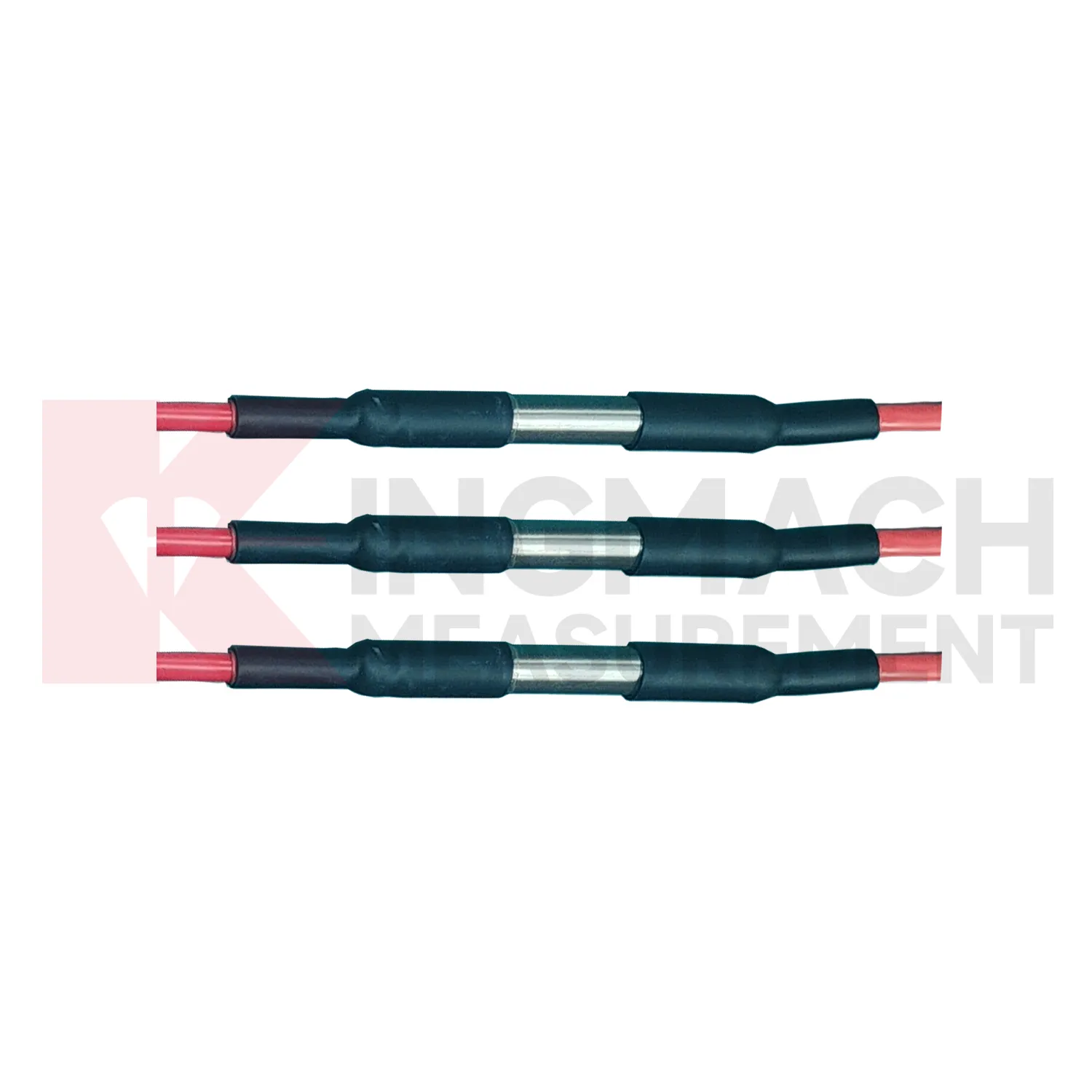
Care & Maintenance of Environmental Monitoring
Data review is part of maintaining Kingmach Environmental Monitoring. Look for impossible values, flatlines, repeated spikes, missing intervals, unit mistakes, and disagreement between related channels. Rainfall should have a plausible relation to wetting; wind pressure should be reviewed with wind exposure; humidity changes should match room or cabinet conditions. If a structural alarm occurs, environmental records should be checked before the team concludes that the structure changed. A good review compares time stamps, site events, maintenance logs, and nearby instruments. This habit keeps environmental records believable and turns them into a reliable part of engineering review.
Review work should also separate data-quality questions from engineering questions. A strange value may come from a blocked rain point, sheltered wind path, wet connector, moved cabinet, or changed unit setting. The reviewer should clear those possibilities before treating the record as a site condition.
Monthly checks can include a short data-quality note that lists missing intervals, unusual values, repaired points, and channels needing field inspection. This makes the environmental network easier to manage and keeps abnormal-event reports from being built on weak records.
Kingmach Environmental Monitoring
Soil wetness gives Kingmach Environmental Monitoring a direct link between weather and ground behavior. Surface rainfall alone does not show whether water reached the depth where deformation is occurring. Buried moisture readings help engineers see wetting, drying, irrigation effect, drainage performance, and seasonal change inside the soil body. This is important for slopes, embankments, greenhouses, agricultural projects, hydraulic works, and reclamation areas. A soil record should be tied to depth, soil type, cable route, and nearby deformation points. When wetness rises before displacement accelerates, the relation deserves attention. When soil dries while movement remains active, another cause may be involved. The value is in comparing conditions, not in displaying an isolated moisture number.
A practical report links the condition value with time, place, and action. It should help a reviewer decide whether to keep observing, inspect the field point, compare nearby instruments, or record the event as normal site behavior.
For owners, the strongest record is the one that remains understandable after staff changes. Clear units, plain point names, installation photos, maintenance notes, and linked structural channels make the data usable beyond the original project team.
FAQ
Q: Can environmental data support asset management?
A: Yes. Long-term records help owners compare weather, exposure, maintenance events, and structural response across seasons and assets.
Q: How does it help during alarms?
A: It lets reviewers check whether a structural alarm followed rain, wind, temperature change, humidity rise, or another site condition.
Q: What should dashboards show?
A: Dashboards should link environmental channels to the structural risks they explain, rather than displaying unrelated values together.
Q: Why avoid product-list writing?
A: Readers need to understand monitoring purpose and field value; long product lists make the page harder to use and less natural.
Q: What is the best review habit?
A: Review environmental data with time-aligned structural readings, inspection notes, maintenance records, and the site event that triggered concern.
If the reading seems unusual, the team should check the physical condition of the station before drawing conclusions about the asset. Blockage, poor exposure, loose wiring, water entry, and changed surroundings can all create misleading patterns.
Reviews
Christopher Martinez
Very satisfied with the readouts & data loggers. User-friendly interface and supports multiple sensor inputs.
Andrew Lee
The visualization software is intuitive and powerful. It helps us analyze monitoring data efficiently.
Latest Inquiries
To protect the privacy of our buyers, only public service email domains like Gmail, Yahoo, and MSN will be displayed. Additionally, only a limited portion of the inquiry content will be shown.
Charlotte***@gmail.comUnited Arab Emirates
Hi, we require instrumentation cables suitable for harsh environments. Could you advise on specifica...
Isabella***@gmail.comGermany
Hello, we are evaluating weir flow meters for a water management project. Please share accuracy deta...
Related product categories
- Integrated Monitoring Station
- Soil Water Content Sensor
- Ultrasonic Anemometer
- semiconductor temperature sensor
- semiconductor based temperature sensors
- semiconductor temperature sensors
- semiconductor based temperature sensor
- semiconductor based ic temperature sensor
- semiconductor-based temperature sensors
- resistance temperature detector sensor
- resistive temperature sensor
- resistance temperature sensor