
 EN
EN
 ar
ar bg
bg hr
hr cs
cs da
da nl
nl fi
fi fr
fr de
de el
el hi
hi it
it ko
ko no
no pl
pl pt
pt ro
ro ru
ru es
es sv
sv tl
tl iw
iw id
id lv
lv lt
lt sr
sr sk
sk sl
sl uk
uk vi
vi et
et hu
hu th
th tr
tr fa
fa ms
ms hy
hy ka
ka ur
ur bn
bn mn
mn ta
ta kk
kk uz
uz ku
ku
Sensor Shielded Test Cable
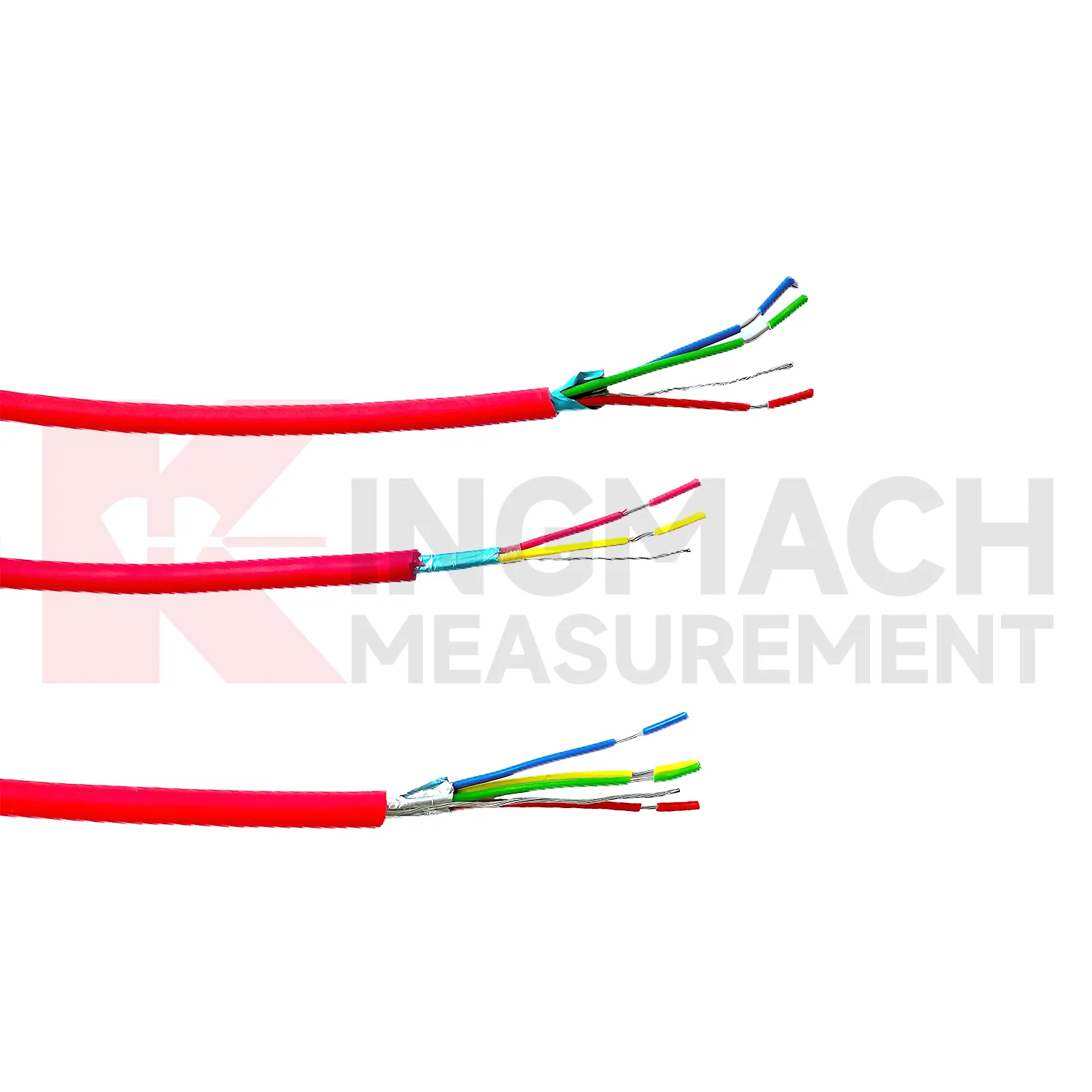
The JMZX-XSX hydraulic cable is intended for wet engineering environments where cable sealing and mechanical strength are part of data reliability. Its multi-layer sealing and water-resistant insulation help the cable transmit power or signal lines in underwater, humid, or splash-prone locations. The product also offers stronger waterproof and tensile properties than standard test wiring, making it suitable for hydraulic structures, galleries, water-level monitoring areas, and other damp routes. Core options mirror the shielded test cable family, allowing the wiring plan to stay organized when several channels must pass through one cable route.
Application of Sensor Shielded Test Cable
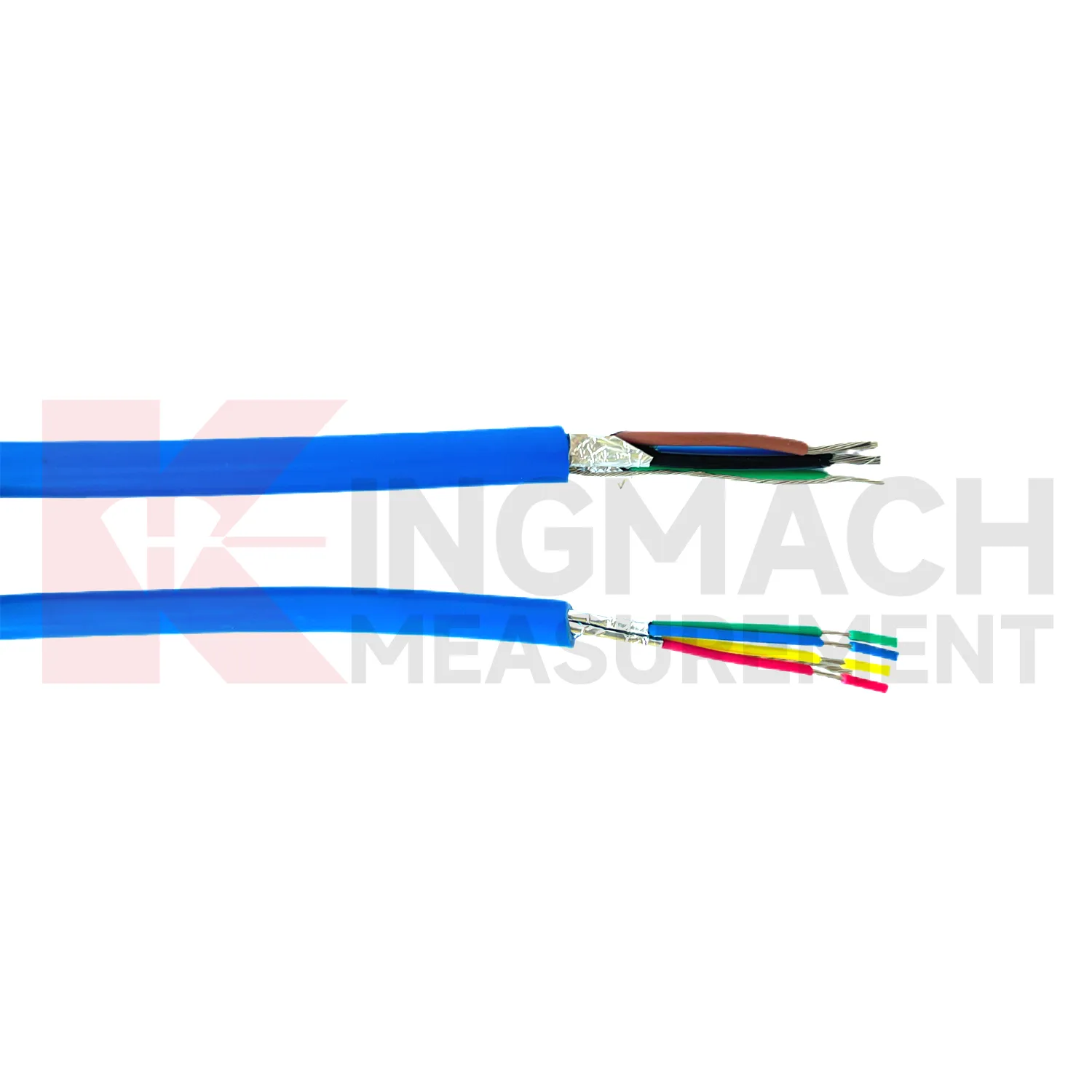
Dam and hydraulic engineering projects place special demands on Kingmach Sensor Shielded Test Cable. Galleries, seepage areas, water-level points, and wet inspection routes require stronger sealing and water resistance than ordinary indoor wiring. JMZX-XSX is suited to these conditions because it uses multi-layer sealing and water-resistant insulation, with higher waterproof and tensile properties. It can support power or signal transmission where moisture, pressure, and cable pulling need attention. Careful termination and cabinet entry sealing are critical so water does not travel along the route into monitoring equipment.
The future of Sensor Shielded Test Cable
Longer monitoring cycles will raise expectations for Kingmach Sensor Shielded Test Cable. Owners increasingly want instruments to remain in place for years, often through weather, construction phases, inspections, and equipment upgrades. Cables will need to resist water, wear, interference, and handling while remaining easy to identify. Future maintenance plans may include scheduled cable insulation checks, connector sealing reviews, and route photo updates. These actions will help protect data continuity across long asset lifetimes.
Care & Maintenance of Sensor Shielded Test Cable
Commissioning checks for Kingmach Sensor Shielded Test Cable should include continuity, insulation condition, channel identity, signal stability, and a short observation period under normal site conditions. A single instant reading is not enough when a cable route has just been installed. Watch for drift, intermittent drops, repeated spikes, or channel mixing. If the problem appears only when nearby equipment starts, review routing and shielding. If it appears after rain or washing, review sealing. These checks give the monitoring record a cleaner starting point.
Kingmach Sensor Shielded Test Cable
On site, Kingmach Sensor Shielded Test Cable help crews keep the cabinet organized from the first pull. Multi-core versions allow several conductors to travel through one planned route, which is cleaner than scattering unrelated spare wires around a junction box. The installer can separate shielded signal paths, hydraulic wet-zone paths, and protected conduit sections before terminations begin. A good field record lists cable model, used cores, spare cores, entry gland, terminal number, and first reading check. Months later, that record lets maintenance staff work on one channel without loosening stable neighboring lines.
FAQ
Q: What should be confirmed before placing an order?
A: Confirm project quantity, required core format, expected delivery length, packaging demand, payment terms, and receiving schedule.
Q: What minimum order quantity is shown?
A: The local product pages list a minimum order quantity of one piece.
Q: How is pricing handled?
A: Pricing is listed as negotiable, so the buyer should confirm quantity, model, packaging, and project delivery details with Kingmach.
Q: What delivery term appears in the local files?
A: Shipment is listed within 30 days after full payment receipt, subject to the order and project arrangement.
Q: What certifications are shown?
A: The product information lists ISO9001, ISO14001, and ISO45001 certification for Kingmach.
Reviews
Michael Anderson
The strain gauges and load cells are extremely accurate and stable. They performed very well in our bridge monitoring project. Highly recommended!
Robert Taylor
The weir flow meter is well-built and delivers accurate measurements. Great value for water management applications.
Latest Inquiries
To protect the privacy of our buyers, only public service email domains like Gmail, Yahoo, and MSN will be displayed. Additionally, only a limited portion of the inquiry content will be shown.
Harper***@gmail.comIndia
Dear Sir, we are planning to procure a complete monitoring system including strain gauges, tiltmeter...
Mia***@gmail.comNetherlands
Dear team, we are interested in your readouts & data loggers compatible with multiple sensors. Do yo...