
 EN
 ar
 bg
 hr
 cs
 da
 nl
 fi
 fr
 de
 el
 hi
 it
 ko
 no
 pl
 pt
 ro
 ru
 es
 sv
 tl
 iw
 id
 lv
 lt
 sr
 sk
 sl
 uk
 vi
 et
 hu
 th
 tr
 fa
 ms
 hy
 ka
 ur
 bn
 mn
 ta
 kk
 uz
 ku

Temperature Compensation Module
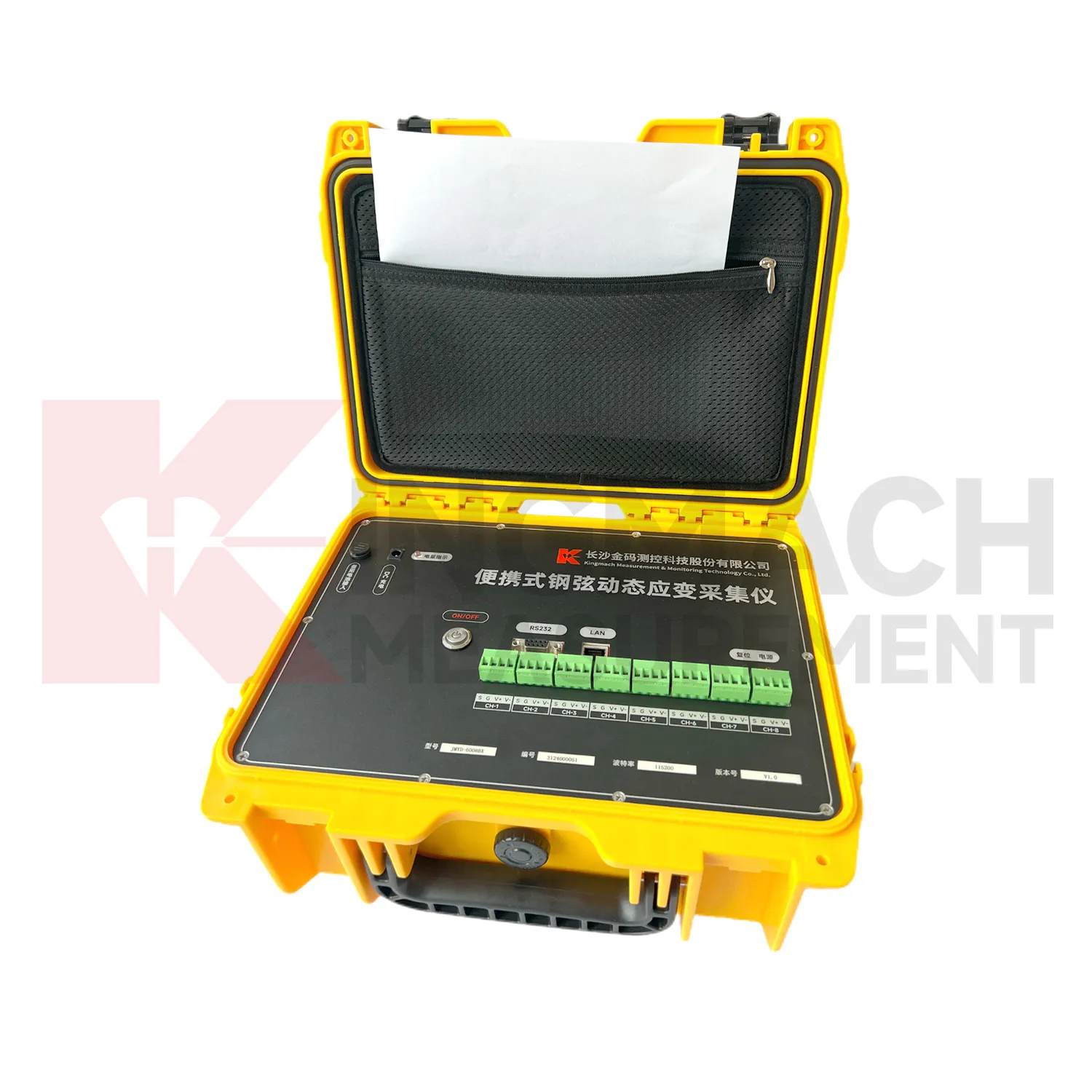
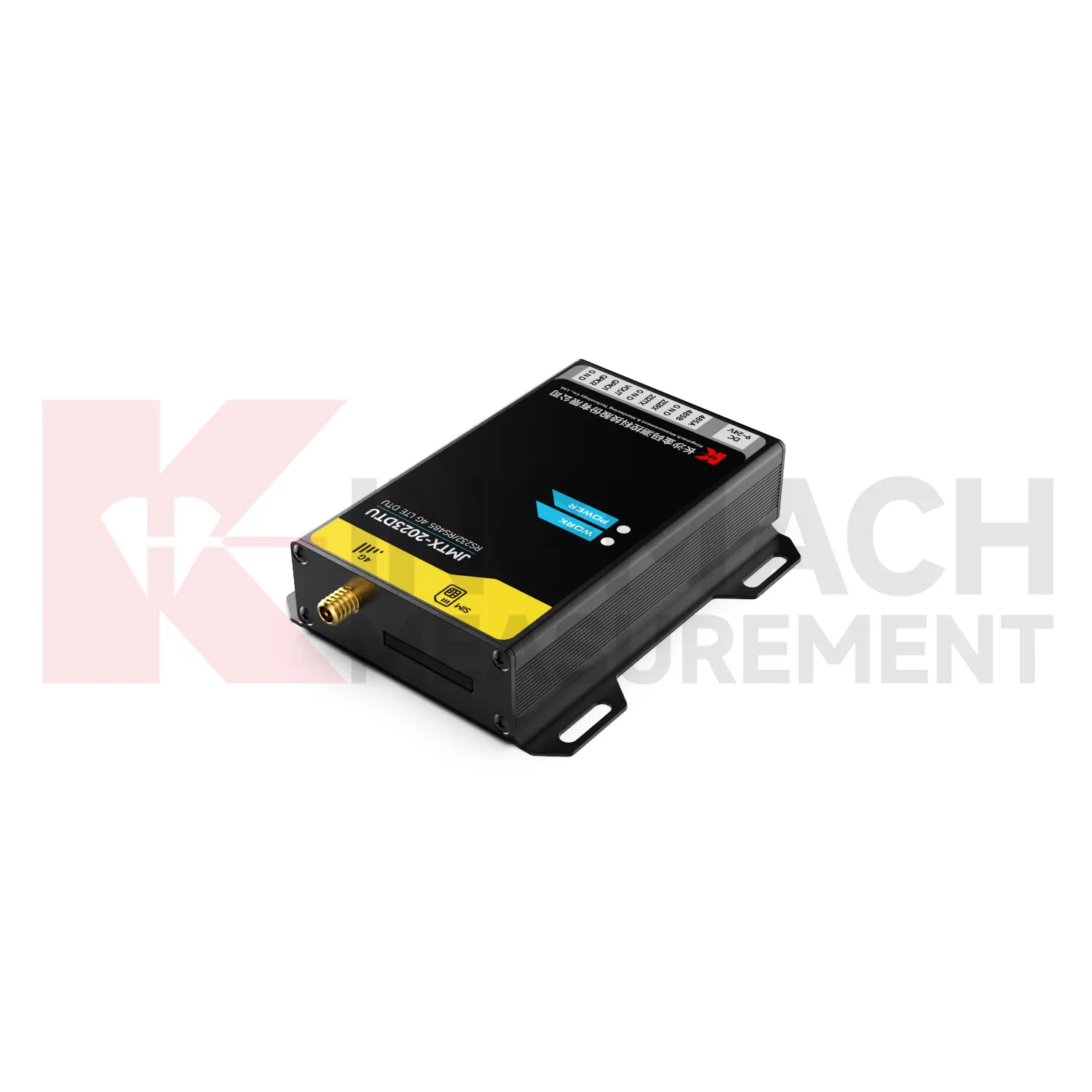
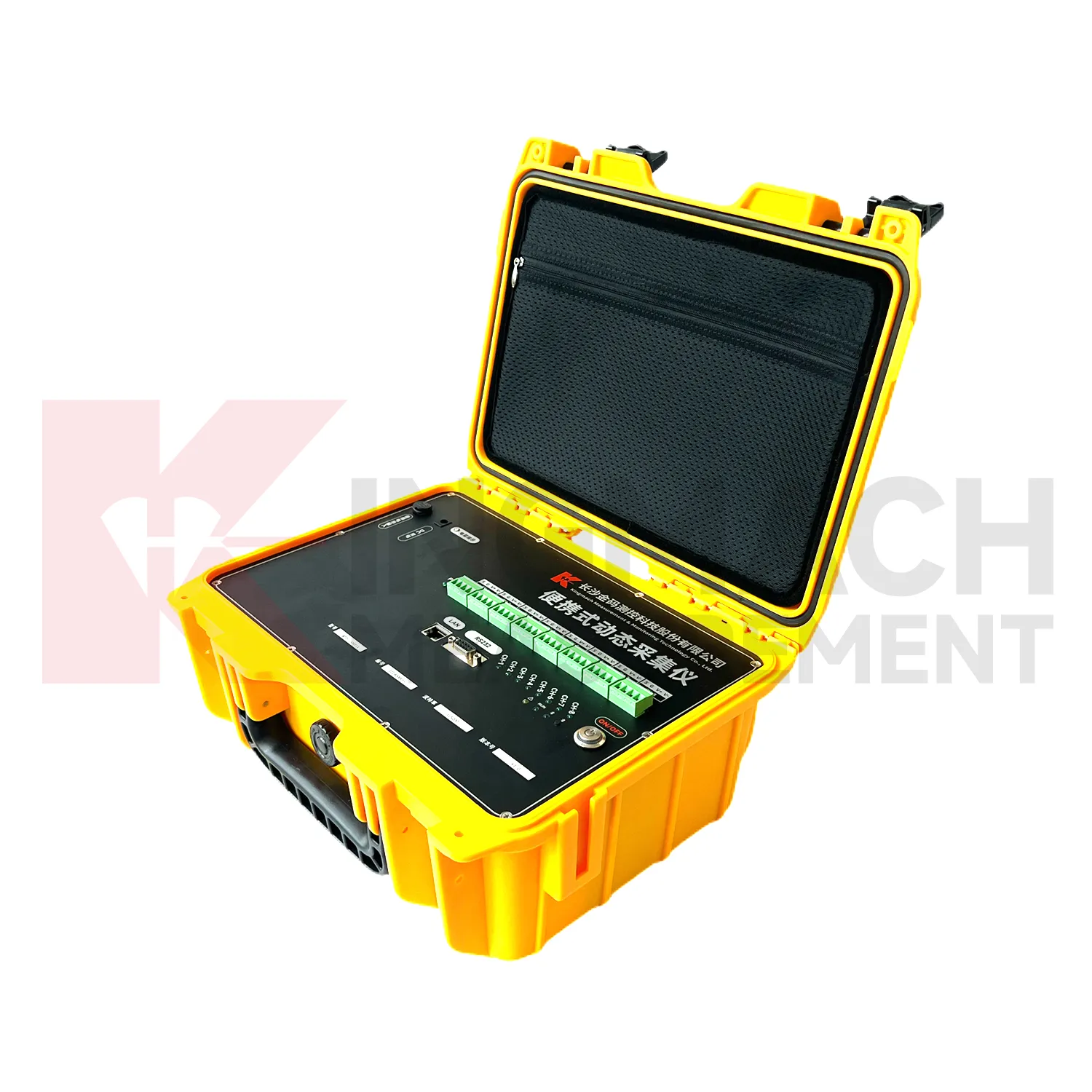
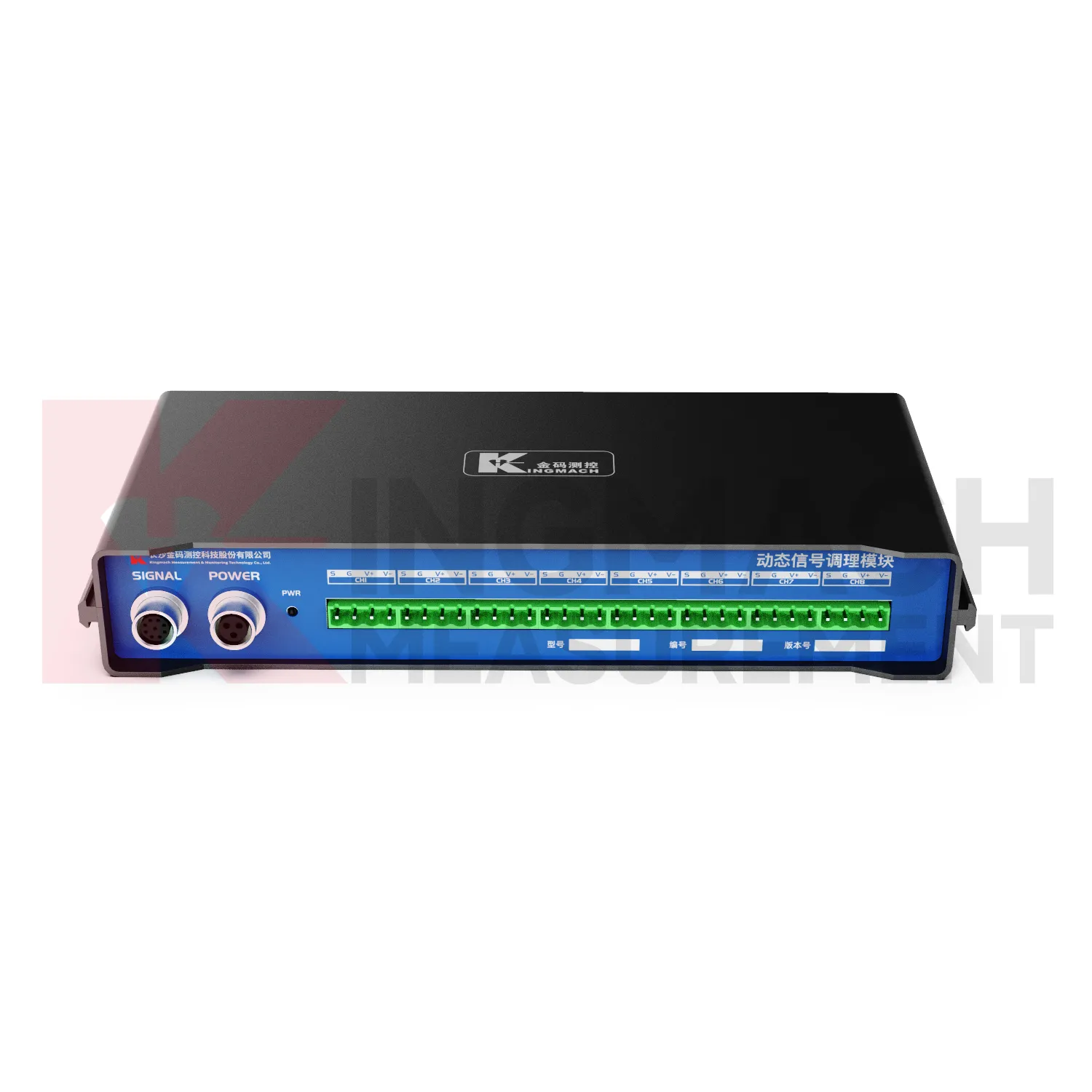
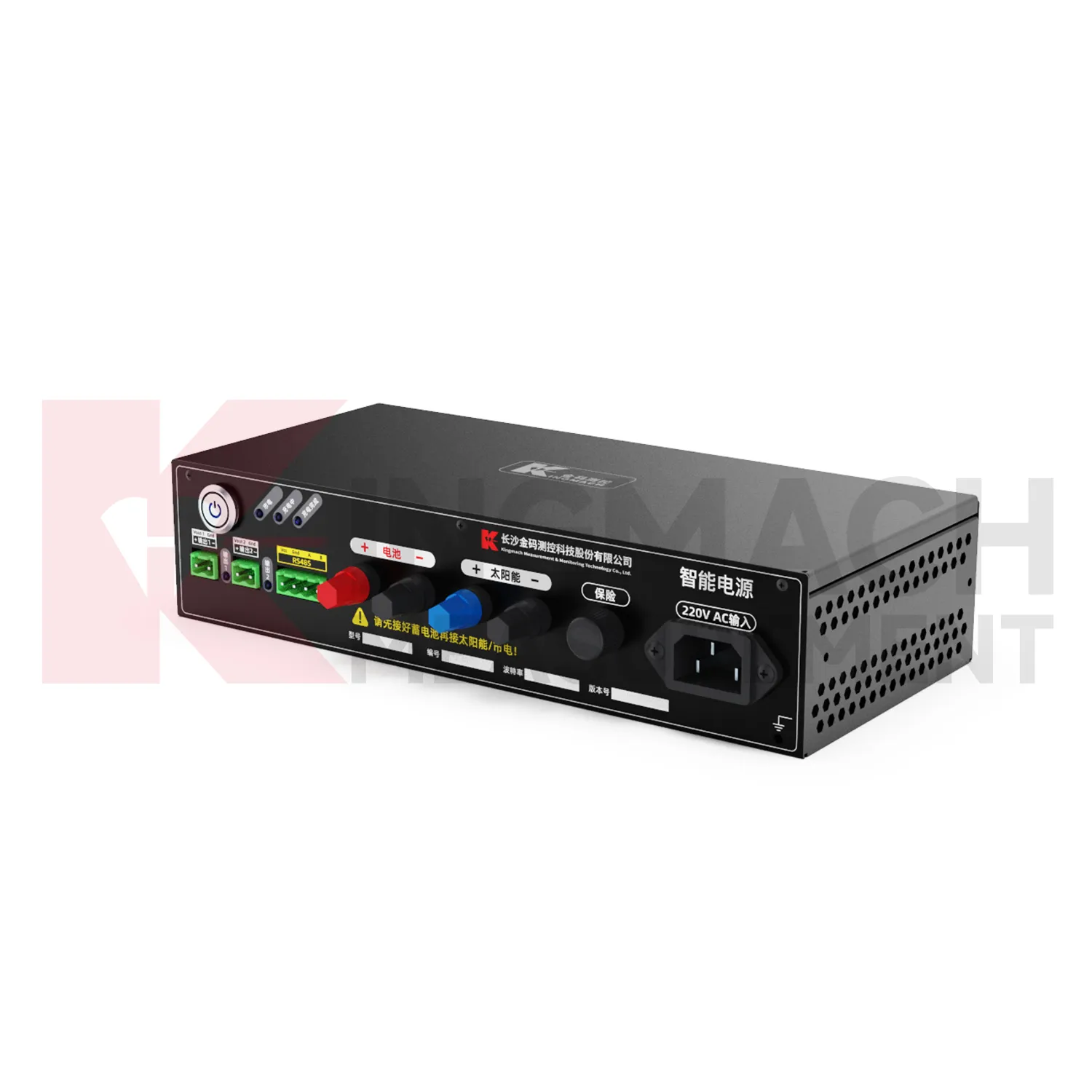
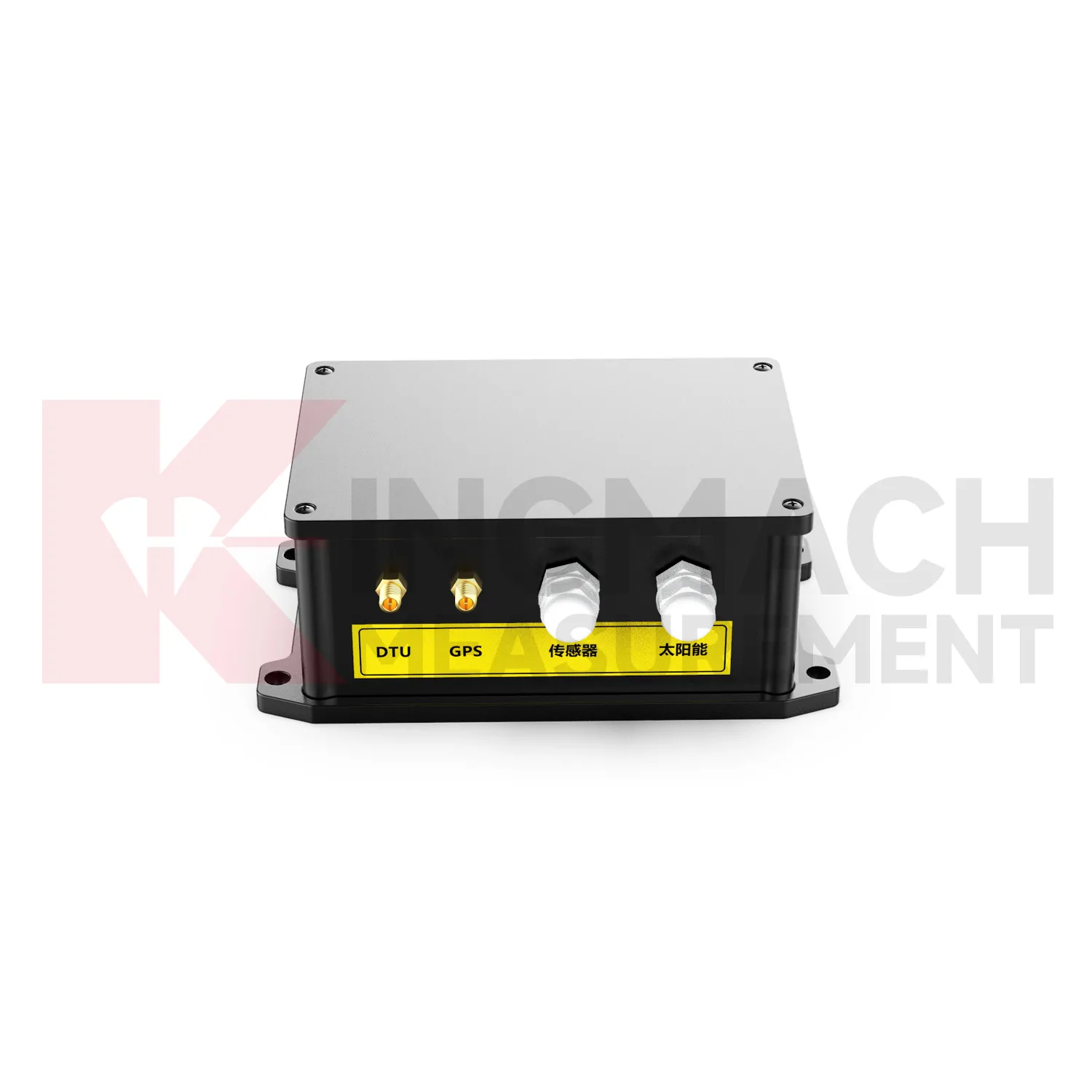
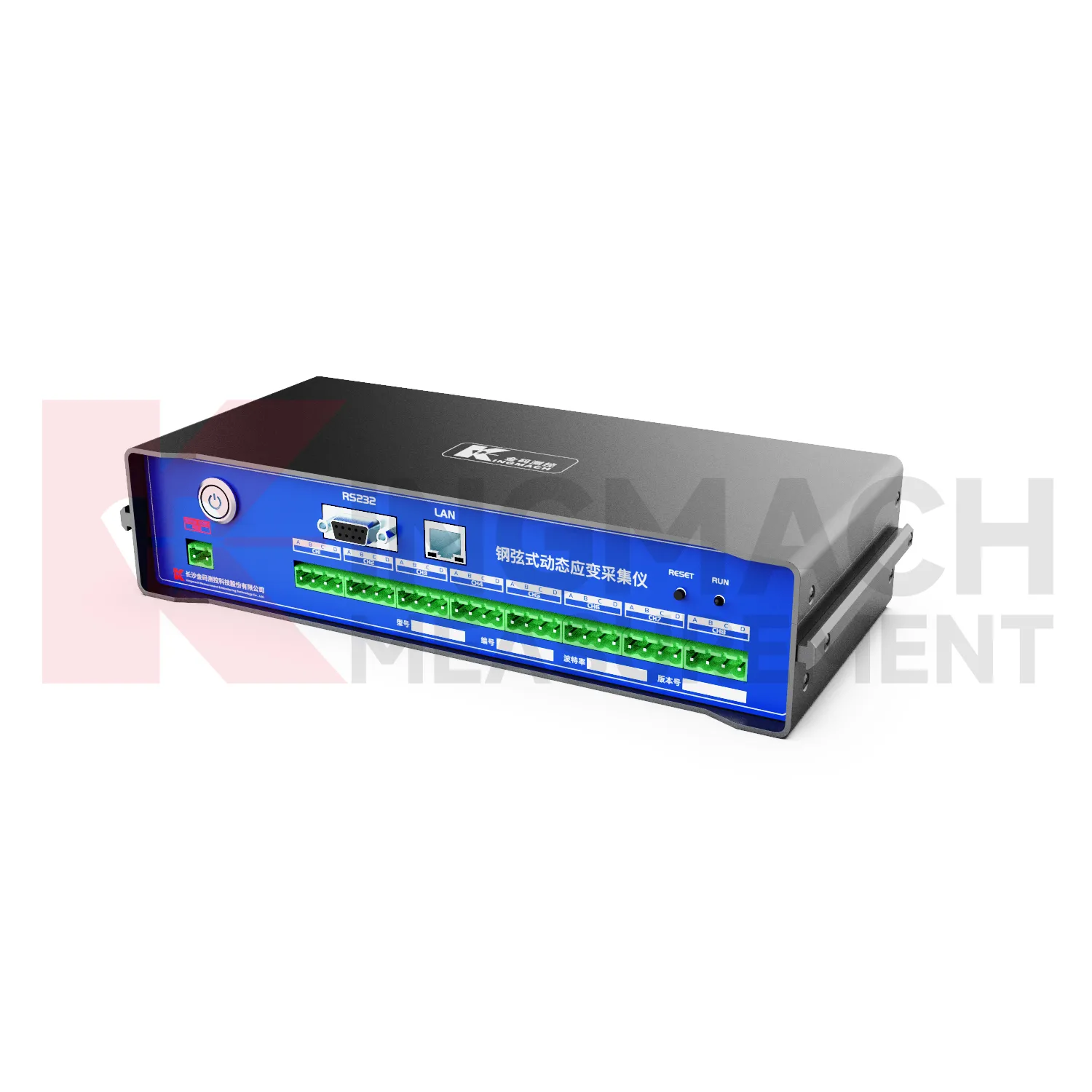
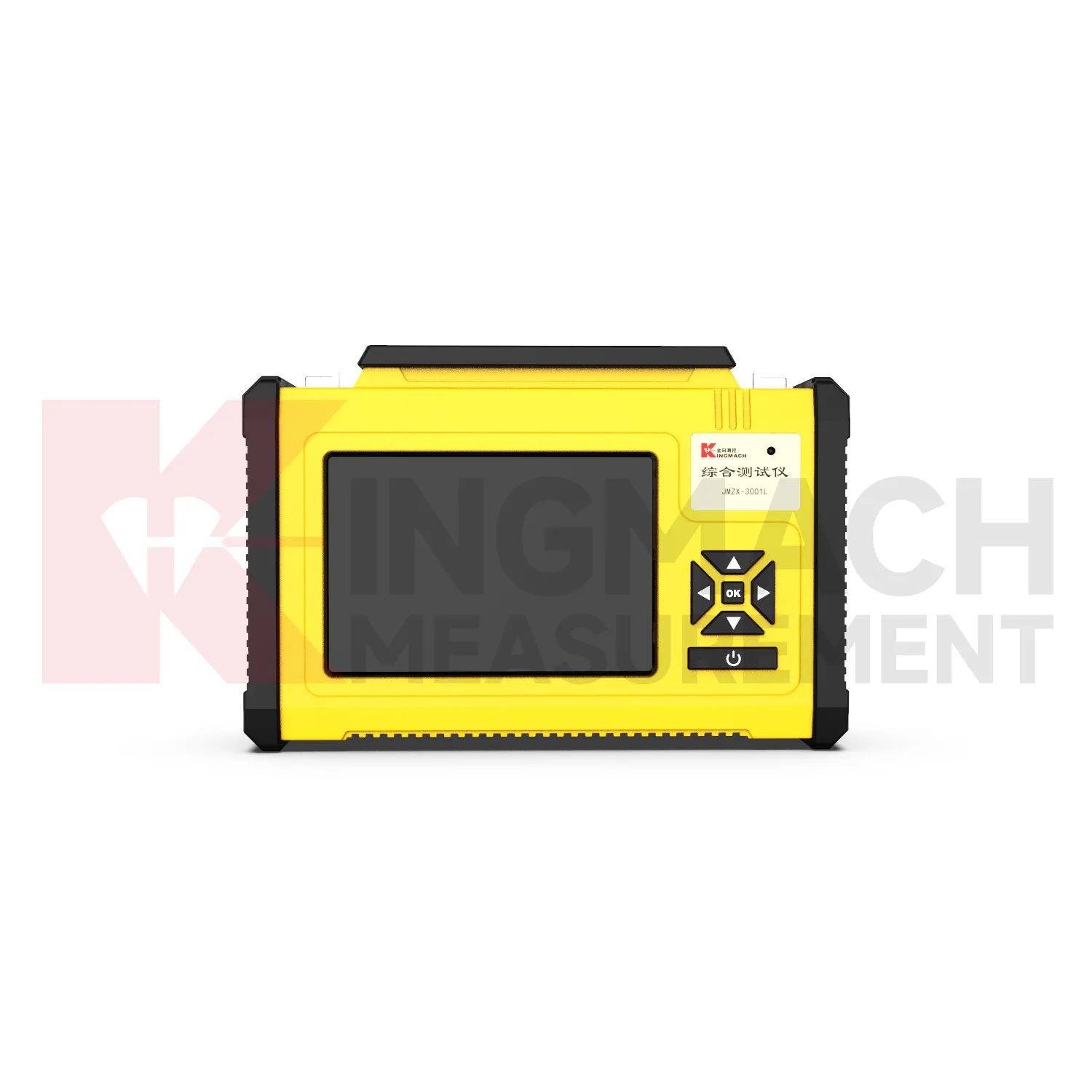
Kingmach Temperature Compensation Module help project teams balance portability, automation, and data quality. Portable instruments are easy to carry and useful for spot measurement, sensor commissioning, and temporary tests. Fixed or wireless data loggers are better for routine acquisition, unattended stations, and remote monitoring. Dynamic signal acquisition equipment is needed when the event is short or the waveform must be reviewed. The buyer should not select the device only by channel count. The better question is how the data will be collected, checked, transmitted, stored, and used by the engineer or owner. That workflow determines whether the acquisition record remains useful after installation. Portability helps field crews move quickly, but automation protects continuity when nobody is on site. High-speed capture helps short events, while scheduled logging supports slow movement and environmental change. Matching these roles prevents overbuilding a simple inspection route or under-equipping a safety station that requires continuous review. The result is a more disciplined purchase and a cleaner field workflow. Teams can select a handheld readout for verification, a wireless logger for remote duty, or dynamic acquisition for event behavior without mixing their roles. This keeps the acquisition plan aligned with field access, risk level, and reporting requirements. over time.
Application of Temperature Compensation Module
Dam and hydraulic projects use Kingmach Temperature Compensation Module to collect readings from strain gauges, displacement points, seepage instruments, water-related sensors, and environmental stations. A dam gallery or remote auxiliary structure may not be convenient for frequent manual visits, so fixed or wireless data loggers can improve continuity. Portable readouts remain useful for verification, maintenance checks, and sensor replacement. The acquisition plan should define which records support routine operation, which records support safety review, and which records are temporary construction measurements. Stable channel naming is important because dam projects often keep data for many years and may be reviewed by different teams across operation, inspection, and maintenance cycles. In hydraulic works, long-term comparability is especially important. A reading from a gallery, spillway, slope, or seepage point should remain traceable after seasonal changes, repairs, or inspection campaigns. The data logger history should show when a point was checked, when a device was serviced, and whether communication or power condition affected the record. This helps dam owners keep monitoring evidence usable through operation and maintenance. It also supports comparison with water level, rainfall, seepage, temperature, and inspection notes when abnormal behavior needs engineering review. across operating seasons. with clear responsibility. over time. reliably. safely.
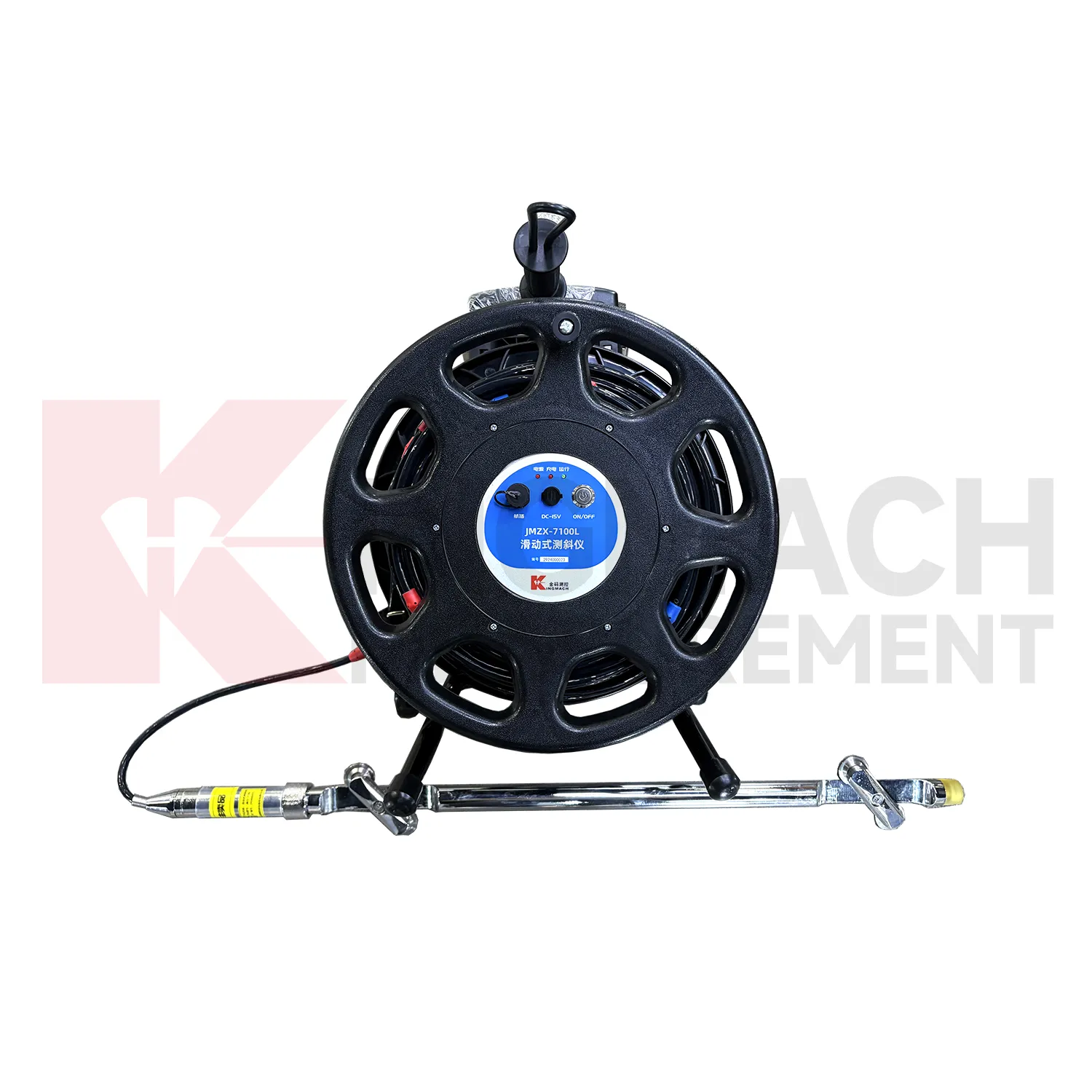
The future of Temperature Compensation Module
Future Kingmach Temperature Compensation Module will give project teams more flexible acquisition intervals. Some sensors need frequent readings during excavation, loading, rainfall, or dynamic testing. Other sensors need stable long-term records at slower intervals. The ability to match acquisition timing to project behavior helps control data volume while preserving important events. Future devices should make interval changes traceable so reviewers know why a record became faster or slower at a certain date. This is important when construction stages or risk levels change. Flexible intervals should also protect the meaning of long-term trends. If a station records every minute during excavation and every hour after stabilization, the report should show that change clearly. Reviewers can then compare data periods correctly instead of treating different acquisition modes as if they were the same. This will help owners manage storage volume, event detail, and reporting clarity without losing engineering context. across project stages. over time.
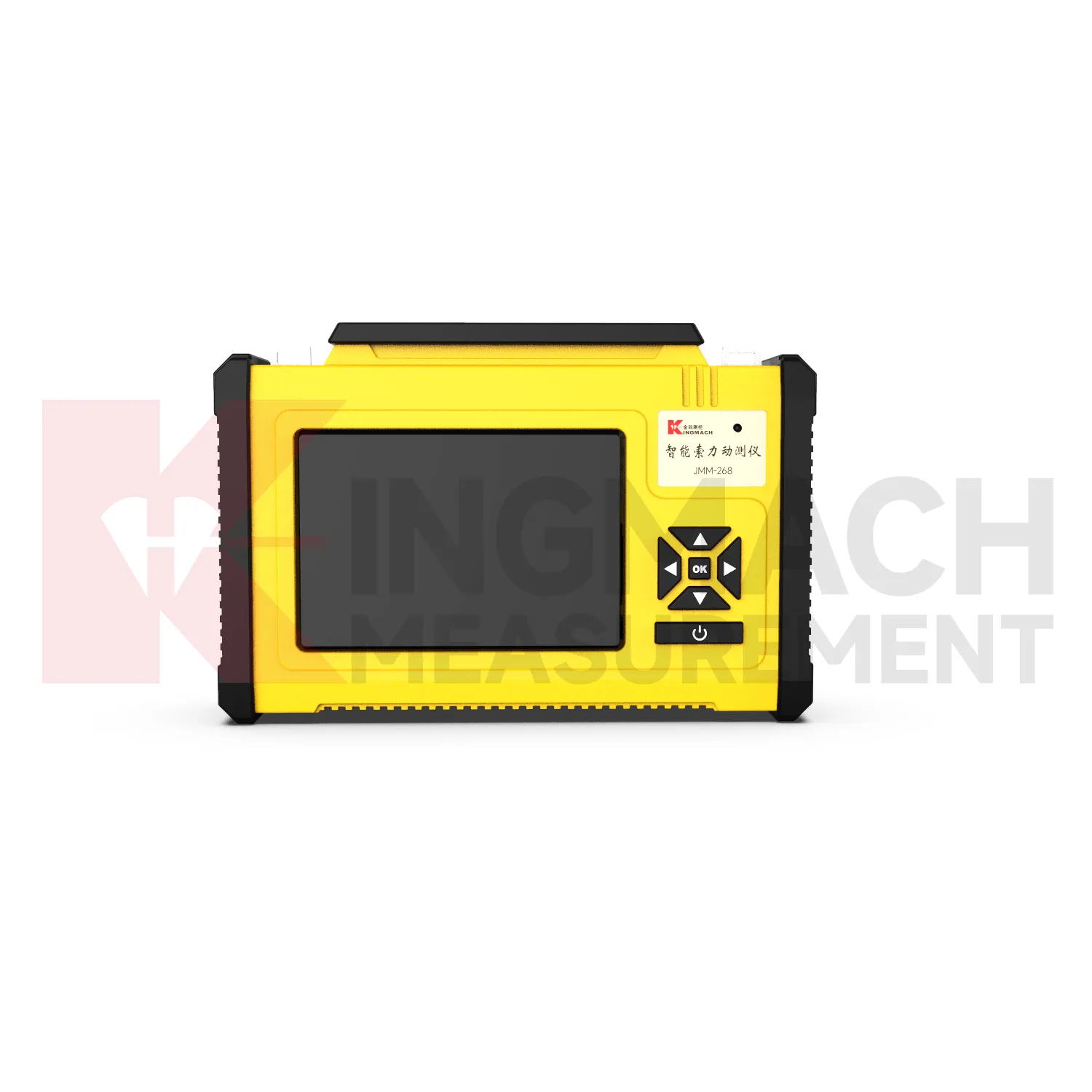
Care & Maintenance of Temperature Compensation Module
Battery and power checks are essential for Kingmach Temperature Compensation Module. Portable readouts need charged batteries before inspection rounds, while remote loggers need stable supply, low-power settings, or solar charging where applicable. A weak battery can create missing readings, interrupted uploads, or unstable acquisition during the period when data is needed most. Maintenance teams should record charge status, replacement dates, power mode, and any abnormal shutdown. For unattended stations, voltage history and last upload time should be reviewed together. This helps distinguish a site event from a power-related data gap. Power maintenance should also consider seasonal access. A slope station may be difficult to reach after rain, and a dam gallery may require planned entry. If battery replacement, solar panel cleaning, or charger inspection is delayed, the risk should be visible in the station notes. Clear power history helps engineers decide whether missing data reflects device condition or real site behavior.
Kingmach Temperature Compensation Module
Kingmach Temperature Compensation Module help bridge the gap between measurement hardware and engineering decisions. Sensors create signals, but owners and contractors need records that can be reviewed, exported, compared, and explained. A readout may confirm installation quality during a short site visit. A wireless logger may keep recording through rain, night work, or restricted access. A dynamic acquisition unit may capture synchronized events that ordinary slow logging would miss. These roles are different, yet they share the same purpose: keeping sensor information traceable. The best acquisition plan defines power, channel count, communication method, storage duty, and data review before instruments are installed. Once those details are defined, the team can decide which device belongs at each point. A temporary test may need a portable unit, while a remote slope station may need low-power upload and local storage. Matching device role to monitoring purpose makes the record easier to trust. across the project lifecycle.
FAQ
Q: How should devices be maintained?
A: Maintain batteries, connectors, labels, cable routes, enclosures, communication settings, storage, and exported records according to site conditions.
Q: Why record setting changes?
A: A changed interval, communication method, channel name, or firmware state can affect later interpretation, so the date and reason should remain visible.
Q: Can data be reviewed remotely?
A: Wireless and platform-connected devices can support remote review when communication, power, upload settings, and channel identity are configured correctly.
Q: What makes long-term records useful?
A: Long-term records stay useful when baseline values, maintenance notes, device status, sensor locations, and normal behavior examples remain available.
Q: What should buyers ask suppliers?
A: Buyers should ask about sensor compatibility, channel capacity, power planning, storage, communication, export format, field protection, and after-sales support. The record stays useful when point names, channel labels, sensor type, measurement time, and field condition are kept together, because later reviewers can connect the number with the actual structure and inspection history.
Reviews
Ryan Lewis
Fast delivery and excellent product quality. The accelerometers and tiltmeters are highly reliable. Strongly recommend this company.
Daniel Brown
Excellent environmental monitoring sensors. The data is consistent, and the system integrates smoothly with our existing setup.
Latest Inquiries
To protect the privacy of our buyers, only public service email domains like Gmail, Yahoo, and MSN will be displayed. Additionally, only a limited portion of the inquiry content will be shown.
Ava***@gmail.comAustralia
Hi, I am looking for reliable tiltmeters and accelerometers for structural health monitoring. Please...
Emma***@gmail.comCanada
Dear Sir/Madam, we are interested in displacement transducers and settlement sensors for a geotechni...
Related product categories
- Integrated Automation Chassis
- Wallmount Automation Chassis
- Tilt Acquisition Module
- Temperature and Humidity Acquisition
- Platforms & Services
- Structural Health Monitoring (SHM) System
- Structural Monitoring Cloud Platform
- IoT Online Monitoring System
- Structural Safety Assessment
- Monitoring System Platform & Services
- Engineering Pulse Intelligent Monitoring Cloud Platform
- Fullprocess Service