
 EN
EN
 ar
ar bg
bg hr
hr cs
cs da
da nl
nl fi
fi fr
fr de
de el
el hi
hi it
it ko
ko no
no pl
pl pt
pt ro
ro ru
ru es
es sv
sv tl
tl iw
iw id
id lv
lv lt
lt sr
sr sk
sk sl
sl uk
uk vi
vi et
et hu
hu th
th tr
tr fa
fa ms
ms hy
hy ka
ka ur
ur bn
bn mn
mn ta
ta kk
kk uz
uz ku
ku
Vibration Velocity Sensor
Single-direction acceleration measurement is useful when the project already knows the main movement direction. In ground pulsation, flexible structures, bridge safety testing, and low-frequency vibration work, a focused measurement axis can give a clean record without unnecessary complexity. Kingmach acceleration equipment can support weak vibration, low-frequency behavior, and large-amplitude movement in flexible structures when the monitoring plan is built around those needs. It is especially relevant when the team wants to monitor one dominant response direction over time. The field record should keep axis direction, mounting face, event timing, and acquisition settings together so the resulting waveform is tied to a real structural question. If the point is moved or the axis is changed, that change must be visible in the record. Otherwise, a later reviewer may compare data that no longer represents the same direction or surface.
A useful dynamic record needs both signal quality and site context. Mounting condition, axis direction, cable stability, acquisition timing, and event labeling all affect whether the data can support an engineering decision after review.
During interpretation, the team should compare the motion with nearby strain, displacement, tilt, load, wind, temperature, traffic, machinery, or construction notes. That wider view helps separate normal response from a pattern that needs inspection.
If the reading changes suddenly, the first check should include the sensor attachment, cable route, connector, channel name, and recent field activity. This prevents a maintenance issue from being mistaken for structural behavior.
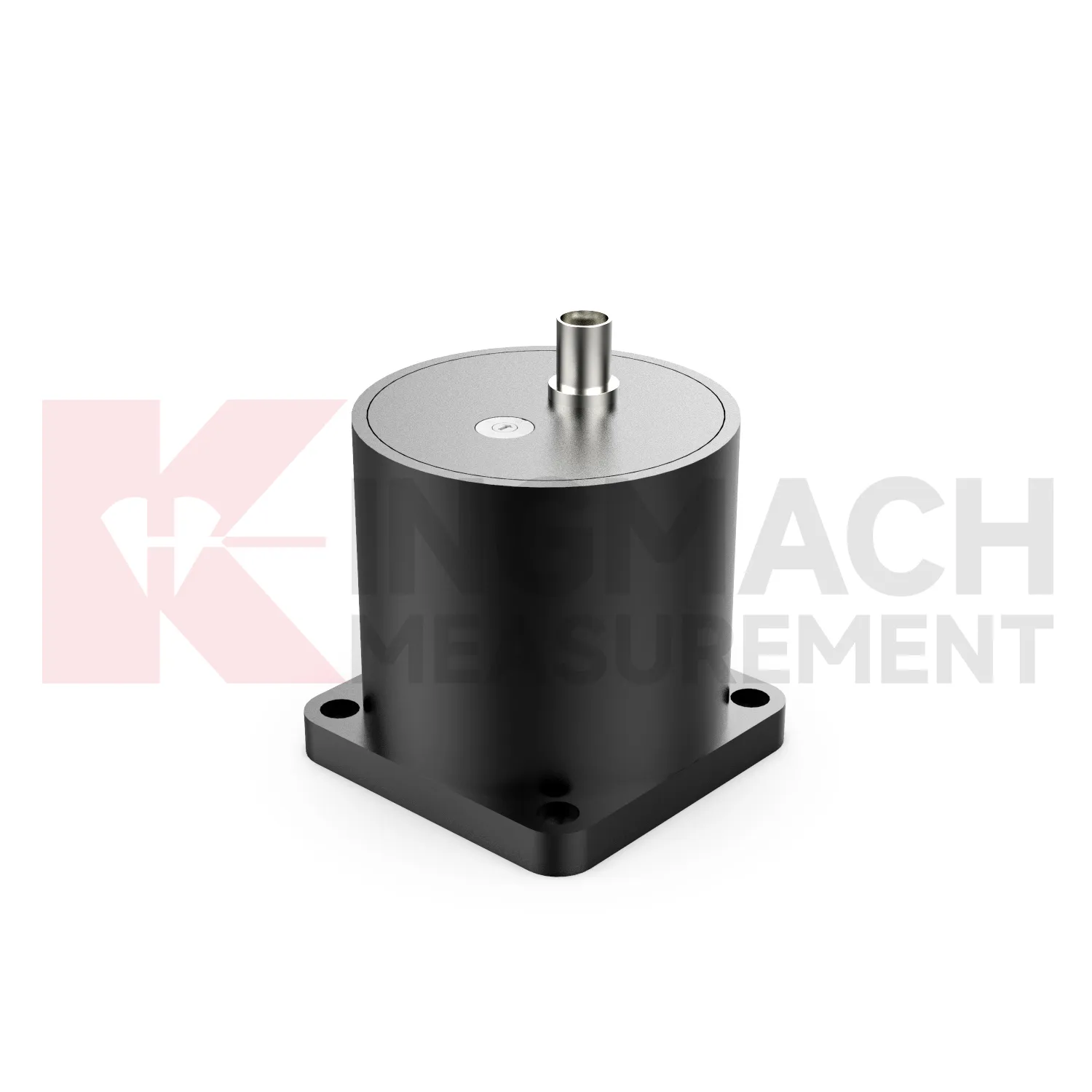
Application of Vibration Velocity Sensor
Construction and blasting projects use Kingmach Vibration Velocity Sensor to document dynamic effects on nearby structures, tunnels, slopes, or foundations. A short vibration event can matter more than hours of quiet data, so acquisition timing and event labeling are critical. The record should include blast time, distance, work method, sensor position, axis direction, and any field observations. This helps engineers determine whether measured vibration stayed within expected behavior or requires follow-up inspection. Dynamic data is especially useful when several stakeholders need a shared factual record. It can support communication between contractors, owners, designers, and nearby asset managers because the event is documented in a consistent way.
Weak-vibration review should include nearby walking, wind, traffic, equipment start-up, and construction activity because these sources can influence the trace. People walking nearby, wind, traffic, equipment start-up, and construction work can all influence the trace, so the field note should capture what was happening around the point.
For high-risk assets, inspection timing should follow events as well as calendar dates. After impact, blasting, severe weather, unusual vibration, or equipment maintenance, the sensor and the data path both deserve a quick check.
For field teams, the record is strongest when the waveform is tied to a named event and a known physical point. The note should state what was operating, what changed on site, whether other instruments reacted, and whether the motion repeated under similar conditions.
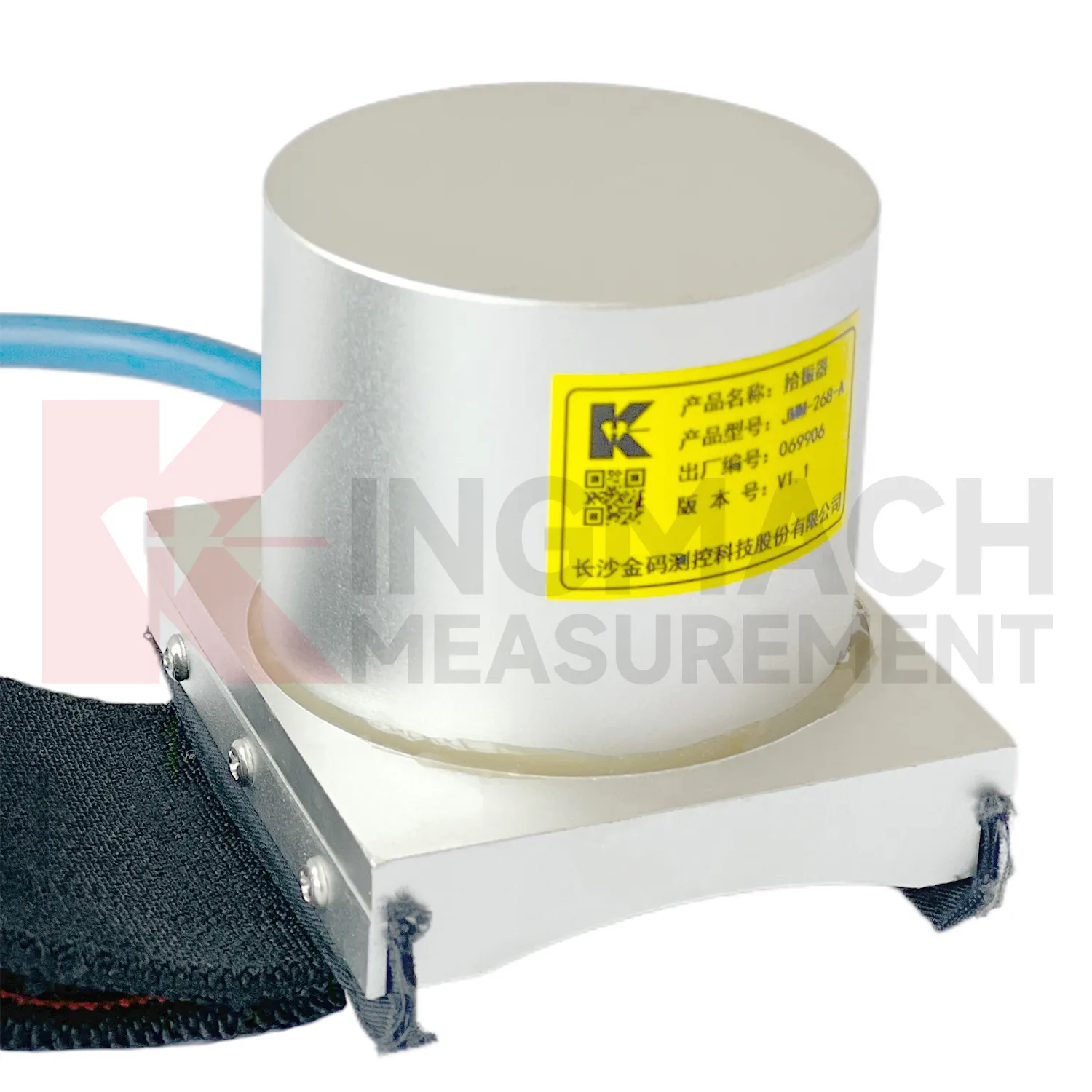
The future of Vibration Velocity Sensor
Remote monitoring will influence future Kingmach Vibration Velocity Sensor deployments, especially on bridges, railways, tunnels, towers, and industrial sites where access is limited. A remote dynamic station should report sensor status, acquisition health, event timing, and data availability, not only final vibration values. Maintenance teams need to know whether missing data came from quiet conditions, power trouble, communication loss, or a damaged installation. Clear status reporting will make dynamic monitoring more reliable during the events when it is needed most. Remote records are useful only when the team can trust that the station was ready before the event occurred.
During interpretation, the team should compare the motion with nearby strain, displacement, tilt, load, wind, temperature, traffic, machinery, or construction notes. That wider view helps separate normal response from a pattern that needs inspection.
If the reading changes suddenly, the first check should include the sensor attachment, cable route, connector, channel name, and recent field activity. This prevents a maintenance issue from being mistaken for structural behavior.
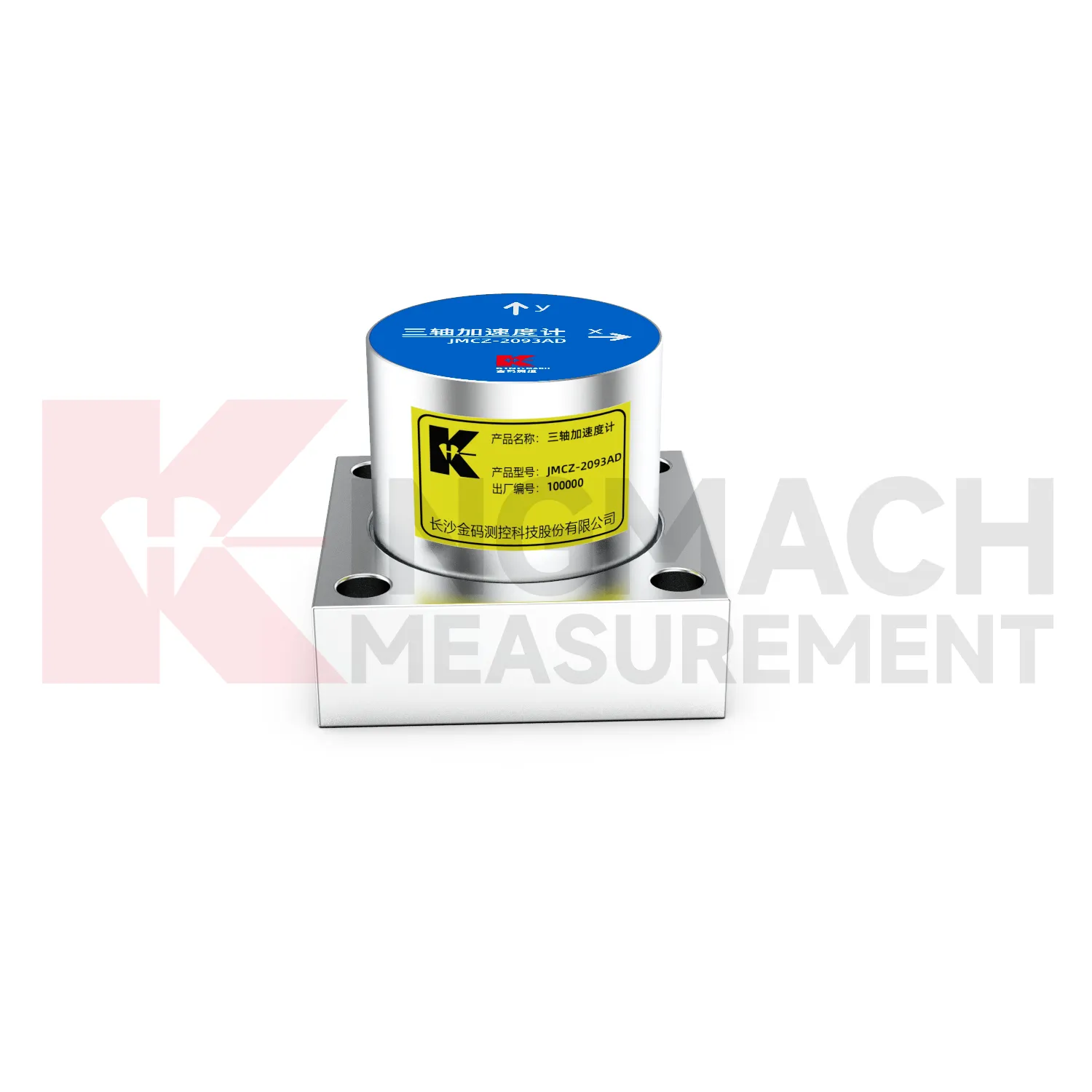
Care & Maintenance of Vibration Velocity Sensor
Axis control keeps Kingmach Vibration Velocity Sensor records understandable. A sensor may be installed vertically, longitudinally, laterally, or in three directions depending on the monitoring task. If the axis direction is not written down, later reviewers may not know what the waveform represents. Mark the direction on drawings, photographs, and channel names. If a sensor is removed and reinstalled, confirm the direction again. Axis mistakes can create years of confusing data, especially on bridges, towers, tunnels, and machinery foundations. A simple label at installation can prevent serious interpretation problems later.
Dynamic data can be sensitive to small field changes. A new bracket, nearby machine, temporary work platform, changed cable route, or software update can alter the record, so those changes belong in the maintenance history.
For owner handover, the file should include point photos, axis labels, acquisition settings, related structural channels, and examples of normal behavior. That helps future reviewers understand whether a later event is unusual.
Kingmach Vibration Velocity Sensor
The strength of Kingmach Vibration Velocity Sensor is clearest when the data is connected to analysis. Dynamic testing systems can turn vibration signals into curves, frequency information, and engineering values when the project is configured for that purpose. The sensor is only the first part of the chain. Mounting, wiring, acquisition, time alignment, software review, and reporting all shape the final value of the measurement. A well-built data chain helps teams see whether a signal is stable, intermittent, growing, or tied to a known event. If any part of the chain is weak, the curve may still appear complete while the engineering meaning remains uncertain.
If the reading changes suddenly, the first check should include the sensor attachment, cable route, connector, channel name, and recent field activity. This prevents a maintenance issue from being mistaken for structural behavior.
Long-term monitoring benefits from repeatable procedure. When the same point, direction, event definition, and analysis method are preserved, new vibration records can be compared with earlier records in a defensible way.
FAQ
Q: What are Kingmach Vibration Velocity Sensor used for?
A: They are used to record acceleration and vibration behavior so engineers can review structural motion, frequency response, impact events, ground motion, and cable vibration.
Q: Where are they commonly applied?
A: They are used in bridges, buildings, tunnels, railways, machinery areas, ground-motion stations, wind towers, and construction vibration monitoring.
Q: Why not rely only on visual inspection?
A: Many dynamic problems happen too quickly or too subtly to see, while acceleration records preserve timing, direction, and frequency information.
Q: Can acceleration data support cable force review?
A: Yes, when the vibration measurement and calculation method are configured correctly for the cable being tested.
Q: Should acceleration data be reviewed alone?
A: No. It is stronger when compared with strain, displacement, tilt, load, environmental records, and inspection notes.
During interpretation, the team should compare the motion with nearby strain, displacement, tilt, load, wind, temperature, traffic, machinery, or construction notes. That wider view helps separate normal response from a pattern that needs inspection.
Reviews
Matthew Garcia
Instrumentation cables are durable and perform well even in harsh environments. Will definitely order again.
Daniel Brown
Excellent environmental monitoring sensors. The data is consistent, and the system integrates smoothly with our existing setup.
Latest Inquiries
To protect the privacy of our buyers, only public service email domains like Gmail, Yahoo, and MSN will be displayed. Additionally, only a limited portion of the inquiry content will be shown.
Amelia***@gmail.comSingapore
Hello, I am looking for visualization software for monitoring system data analysis. Please let me kn...
Olivia***@gmail.comUnited States
Hello, we are currently sourcing high-precision strain gauges and load cells for a bridge monitoring...