
 EN
 ar
 bg
 hr
 cs
 da
 nl
 fi
 fr
 de
 el
 hi
 it
 ko
 no
 pl
 pt
 ro
 ru
 es
 sv
 tl
 iw
 id
 lv
 lt
 sr
 sk
 sl
 uk
 vi
 et
 hu
 th
 tr
 fa
 ms
 hy
 ka
 ur
 bn
 mn
 ta
 kk
 uz
 ku

machine vibration sensor
For seismic and impact-related projects, Kingmach machine vibration sensor help capture motion during short, important events. Earthquake activity, blasting, collapse risk, impact, and heavy construction can create signals that must be stored with accurate timing and location. The monitoring plan should make clear which points are critical, how records are triggered, and who reviews the event after it occurs. A sensor that works well in ordinary conditions still needs a data path ready for sudden motion. Dynamic monitoring in this setting is about preparedness, reliable capture, and reviewable evidence. The project record should also preserve field notes, related structural readings, and any inspection result after the event. That is what turns an acceleration trace into useful engineering information.
The report should not leave the waveform isolated. It should explain what the asset was doing, why the point was measured, which event triggered interest, and what follow-up action or observation was made.
Dynamic data can be sensitive to small field changes. A new bracket, nearby machine, temporary work platform, changed cable route, or software update can alter the record, so those changes belong in the maintenance history.
For owner handover, the file should include point photos, axis labels, acquisition settings, related structural channels, and examples of normal behavior. That helps future reviewers understand whether a later event is unusual.
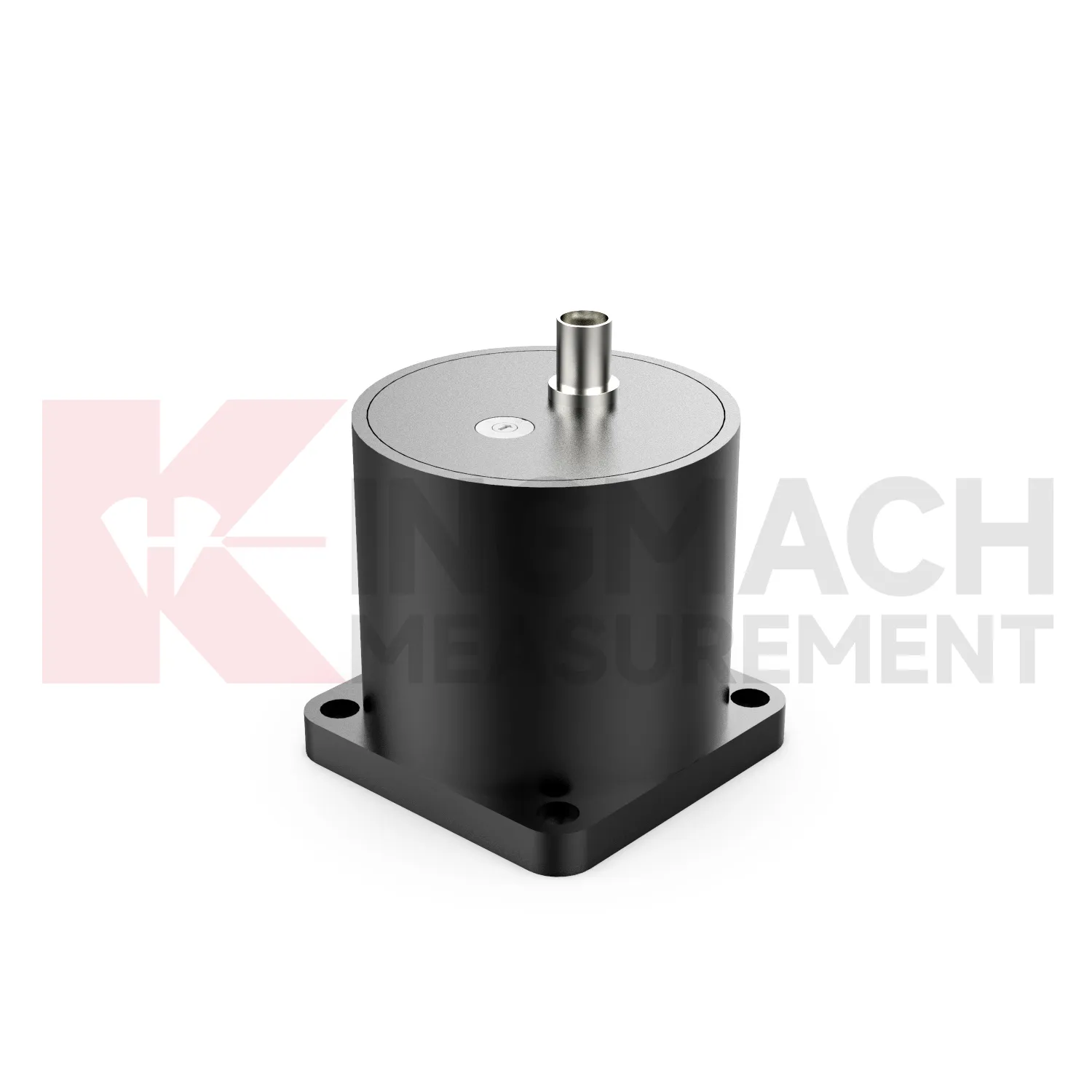
Application of machine vibration sensor
Wind towers and tall structures use Kingmach machine vibration sensor to observe motion caused by wind, equipment, foundation behavior, or operating cycles. Acceleration data can be reviewed with wind speed, tilt, strain, and foundation settlement to see whether the structure is responding normally. Mounting must be secure because a loose sensor can exaggerate motion. The axis direction should match the structure geometry, and the record should note wind or operating conditions during measurement. This approach turns tower movement into a traceable engineering record. Over time, the owner can compare response during similar wind events and identify whether the structure is behaving consistently or starting to change.
A useful dynamic record needs both signal quality and site context. Mounting condition, axis direction, cable stability, acquisition timing, and event labeling all affect whether the data can support an engineering decision after review.
During interpretation, the team should compare the motion with nearby strain, displacement, tilt, load, wind, temperature, traffic, machinery, or construction notes. That wider view helps separate normal response from a pattern that needs inspection.
If the reading changes suddenly, the first check should include the sensor attachment, cable route, connector, channel name, and recent field activity. This prevents a maintenance issue from being mistaken for structural behavior.
Long-term monitoring benefits from repeatable procedure. When the same point, direction, event definition, and analysis method are preserved, new vibration records can be compared with earlier records in a defensible way.
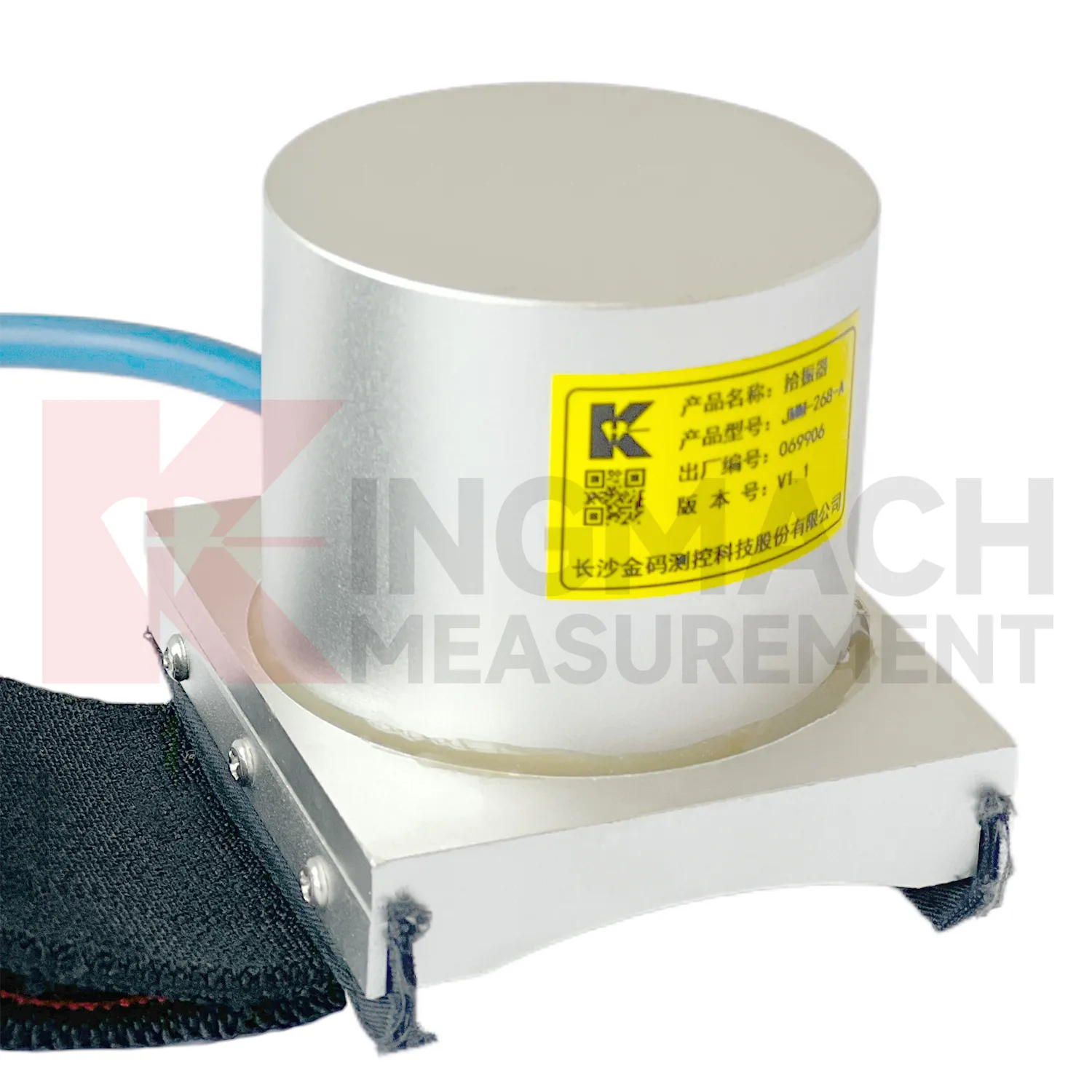
The future of machine vibration sensor
Future Kingmach machine vibration sensor will support more disciplined cable force monitoring. Vibration-based cable review depends on correct measurement position, cable identity, boundary assumptions, and calculation settings. Future reports should connect the vibration curve, frequency result, cable information, and maintenance decision in one place. That will make cable review easier to audit and compare over time. For bridge owners, the value is not simply a sensor reading; it is a repeatable method for tracking cable behavior through service life. Clear records will also help teams understand when a change comes from adjustment, temperature, traffic, or true cable-condition variation.
For field teams, the record is strongest when the waveform is tied to a named event and a known physical point. The note should state what was operating, what changed on site, whether other instruments reacted, and whether the motion repeated under similar conditions.
A useful dynamic record needs both signal quality and site context. Mounting condition, axis direction, cable stability, acquisition timing, and event labeling all affect whether the data can support an engineering decision after review.
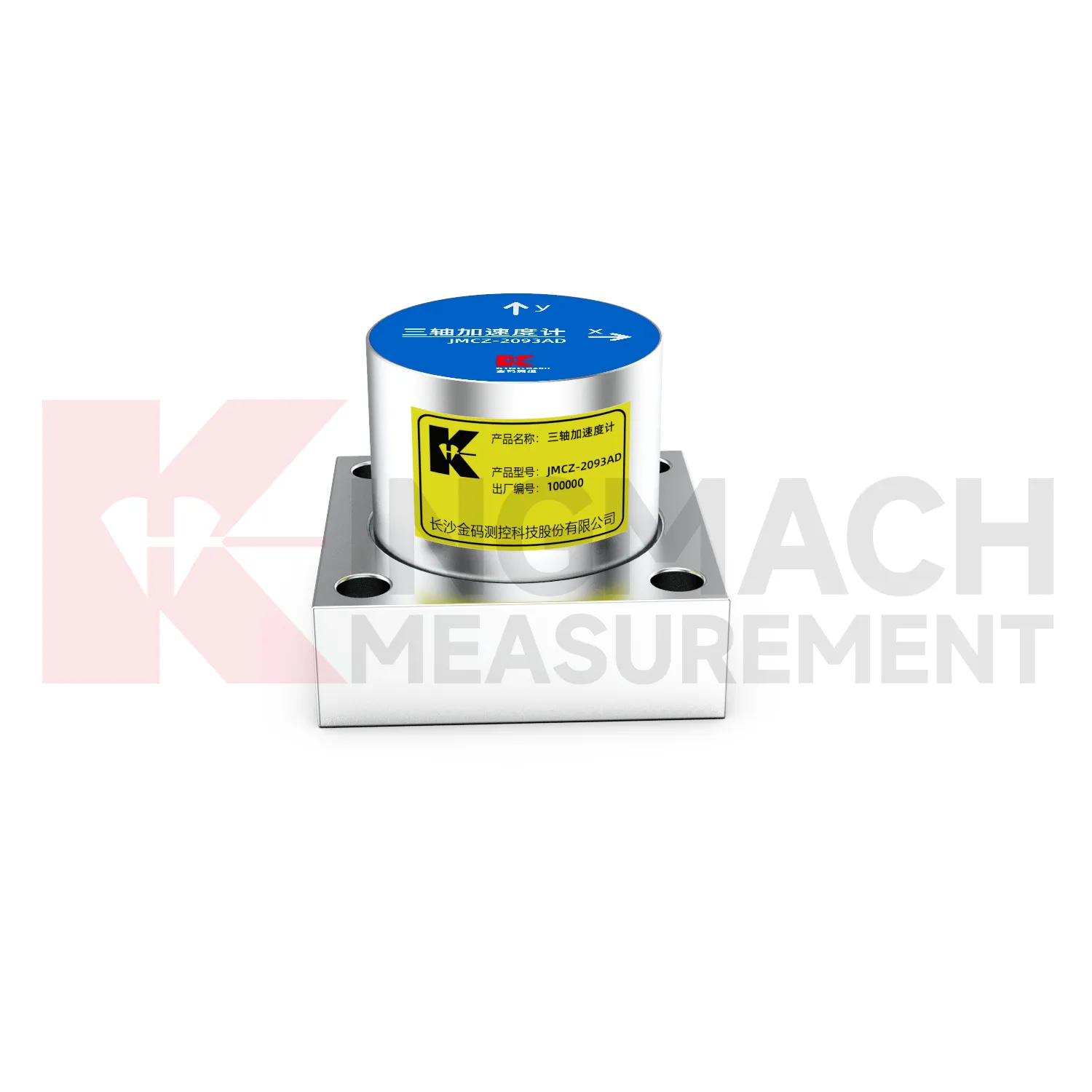
Care & Maintenance of machine vibration sensor
Cable and connector care is important for Kingmach machine vibration sensor because dynamic signals can be weakened by poor wiring. Inspect cable strain, connector tightness, water entry, abrasion, shielding, grounding, and cabinet terminals. A noisy or intermittent cable can look like a vibration event if the review process is weak. After site work, confirm that channel names still match the physical points. If a channel drops or spikes suddenly, inspect wiring and recent construction activity before assuming the structure changed. The data chain is part of the instrument. A good cable record reduces false alarms and keeps event review focused on the structure.
Long-term monitoring benefits from repeatable procedure. When the same point, direction, event definition, and analysis method are preserved, new vibration records can be compared with earlier records in a defensible way.
The report should not leave the waveform isolated. It should explain what the asset was doing, why the point was measured, which event triggered interest, and what follow-up action or observation was made.
Kingmach machine vibration sensor
Kingmach machine vibration sensor makes dynamic monitoring practical when acceleration data is connected with the engineering question. The record can help users review bridge vibration, building response, tunnel events, railway effects, machinery behavior, and seismic movement without turning the page into a model list. Buyers need to see how motion becomes evidence: where the sensor is mounted, which axis is reviewed, what event is being captured, and how the waveform supports inspection or maintenance. This product category works best when the page explains the relationship between motion, measurement, and engineering action. That same logic carries from purchase to installation to report review.
For owner handover, the file can include point photos, axis labels, acquisition settings, related structural channels, and examples of normal behavior. That helps future reviewers understand whether a later event is unusual.
Weak-vibration review should include nearby walking, wind, traffic, equipment start-up, and construction activity because these sources can influence the trace.
FAQ
Q: How do Kingmach machine vibration sensor fit into a monitoring platform?
A: They provide the dynamic response layer alongside displacement, settlement, strain, load, tilt, environmental, and inspection data.
Q: What should a buyer define before ordering?
A: Define the motion to capture, structure type, location, axis direction, acquisition method, analysis need, and maintenance access.
Q: Do all projects need three-direction measurement?
A: No. Some need a focused direction, while others need multi-direction records because the movement source is uncertain.
Q: Why is low-frequency response important?
A: Ground pulsation, flexible structures, and slow dynamic movement may require sensors and acquisition settings suited to low-frequency behavior.
Q: What makes long-term acceleration data useful?
A: Stable installation, clear event records, consistent analysis, visible maintenance notes, and comparison with related sensors make it useful.
For owner handover, the file should include point photos, axis labels, acquisition settings, related structural channels, and examples of normal behavior. That helps future reviewers understand whether a later event is unusual.
Reviews
Christopher Martinez
Very satisfied with the readouts & data loggers. User-friendly interface and supports multiple sensor inputs.
Andrew Lee
The visualization software is intuitive and powerful. It helps us analyze monitoring data efficiently.
Latest Inquiries
To protect the privacy of our buyers, only public service email domains like Gmail, Yahoo, and MSN will be displayed. Additionally, only a limited portion of the inquiry content will be shown.
Ava***@gmail.comAustralia
Hi, I am looking for reliable tiltmeters and accelerometers for structural health monitoring. Please...
Isabella***@gmail.comGermany
Hello, we are evaluating weir flow meters for a water management project. Please share accuracy deta...