
 EN
EN
 ar
ar bg
bg hr
hr cs
cs da
da nl
nl fi
fi fr
fr de
de el
el hi
hi it
it ko
ko no
no pl
pl pt
pt ro
ro ru
ru es
es sv
sv tl
tl iw
iw id
id lv
lv lt
lt sr
sr sk
sk sl
sl uk
uk vi
vi et
et hu
hu th
th tr
tr fa
fa ms
ms hy
hy ka
ka ur
ur bn
bn mn
mn ta
ta kk
kk uz
uz ku
ku
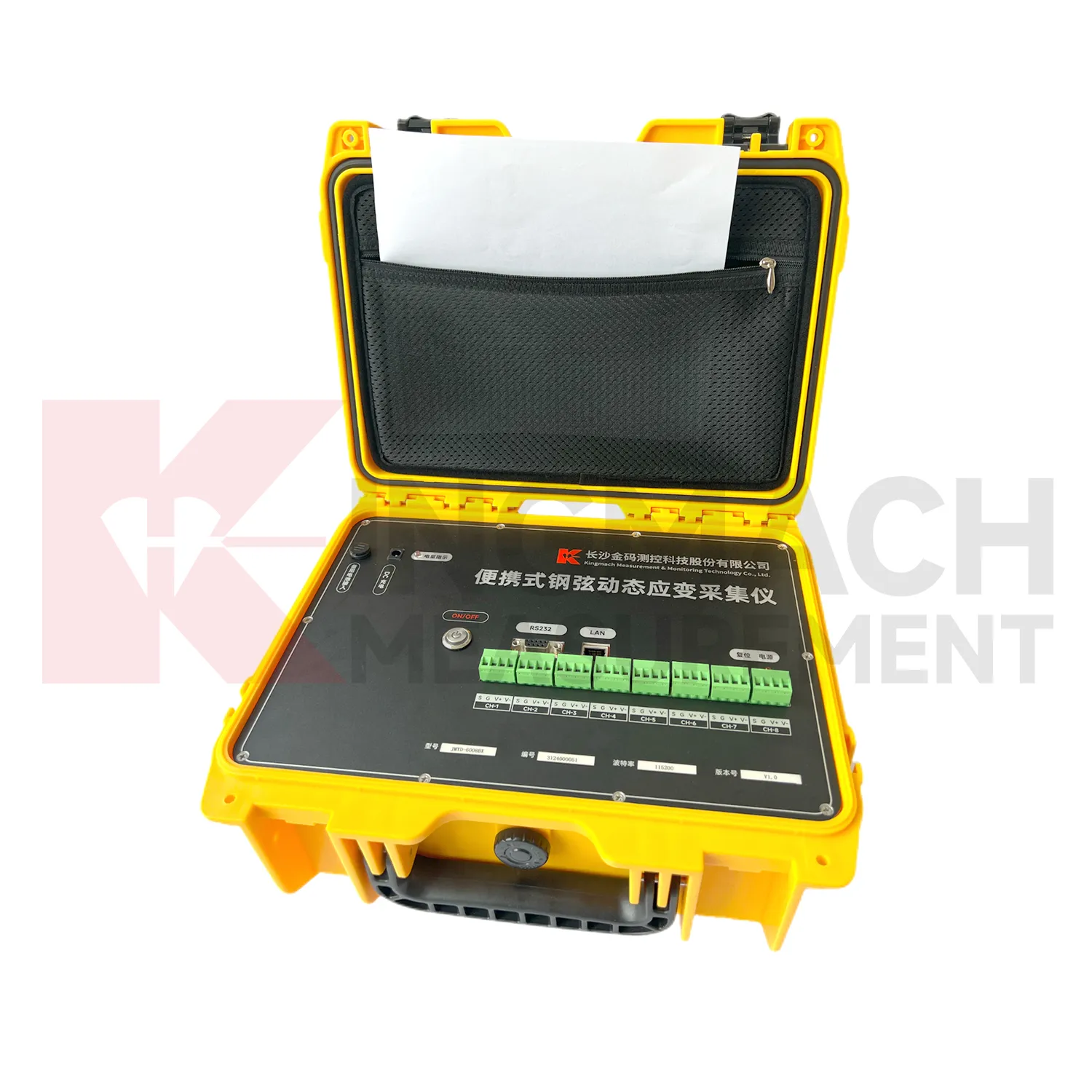
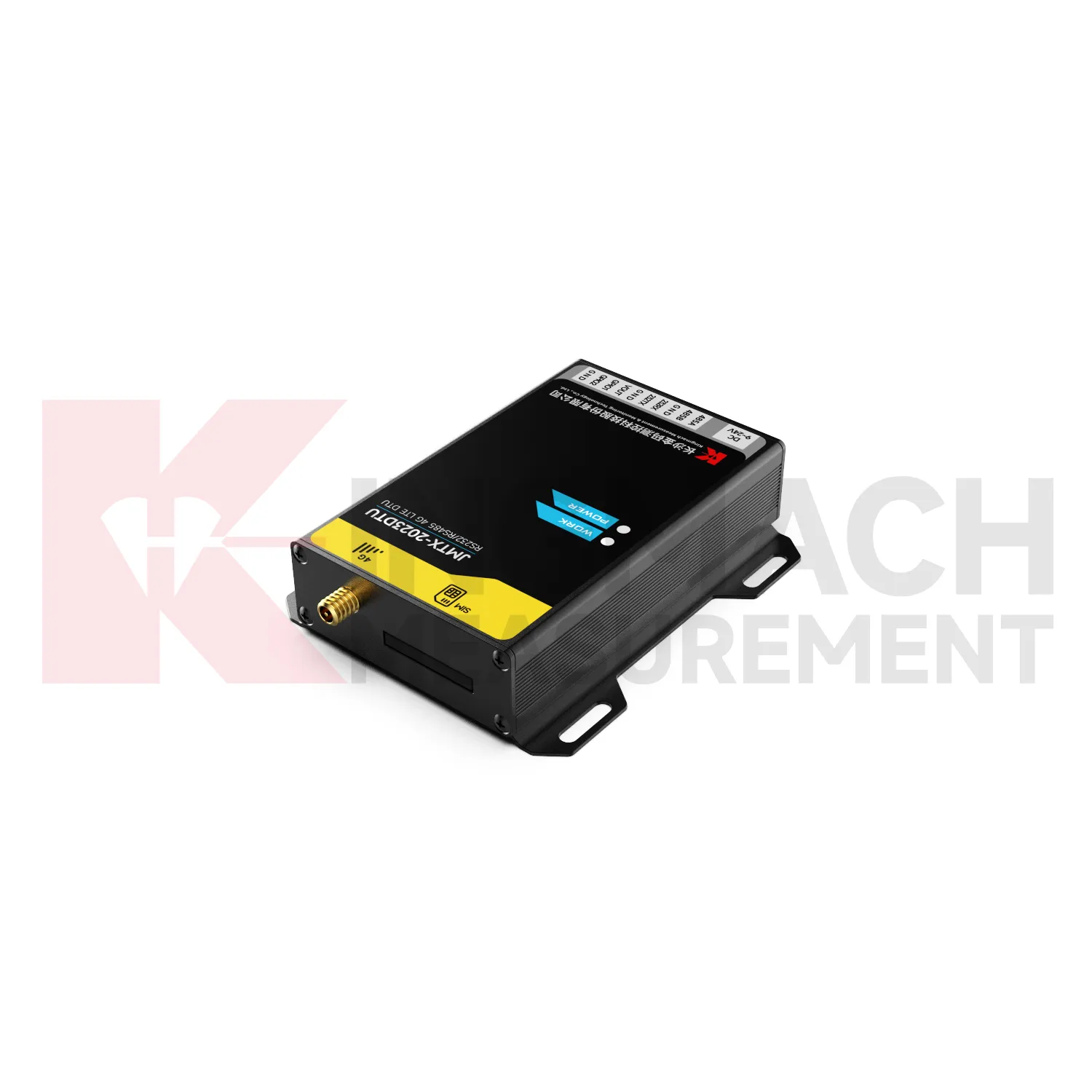
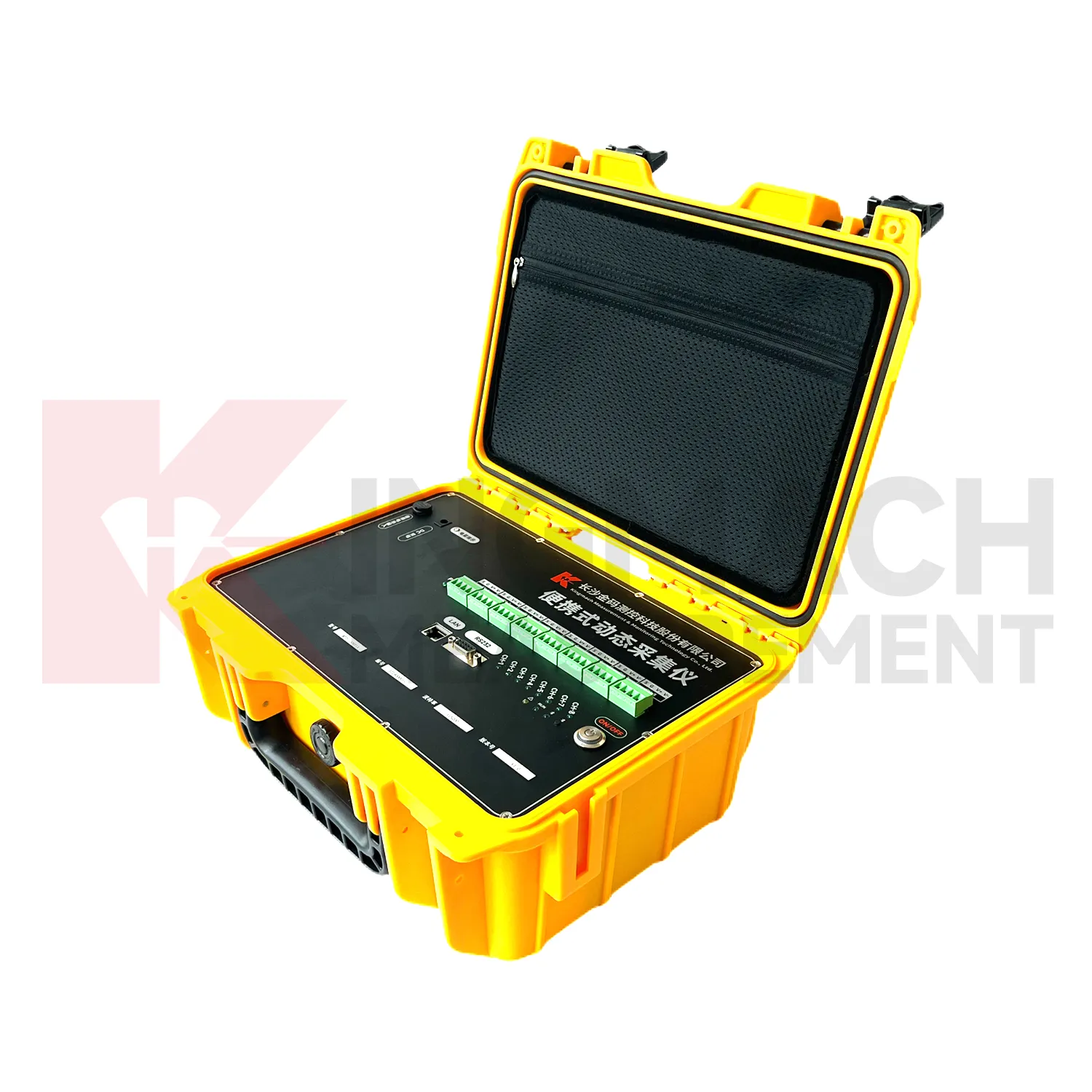
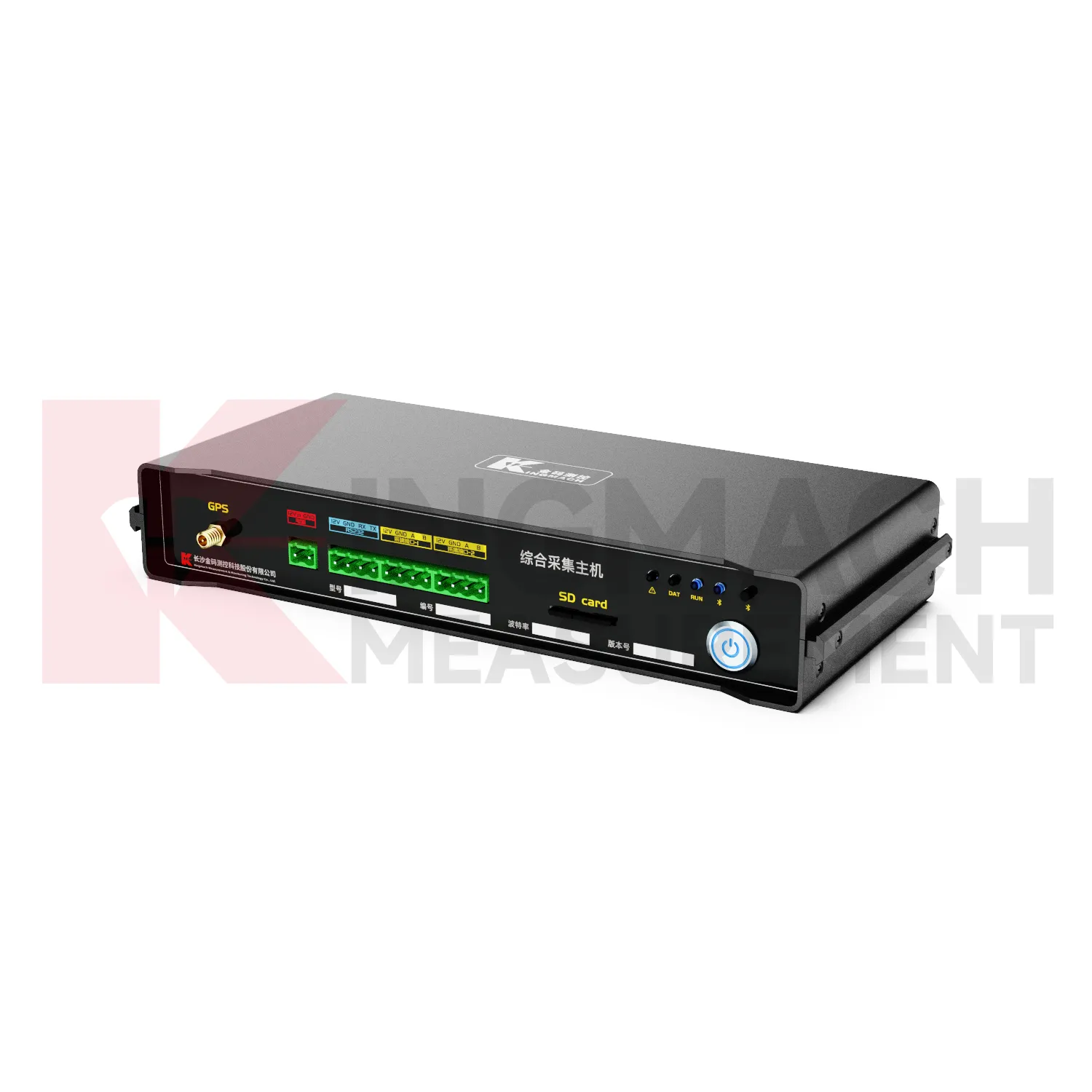
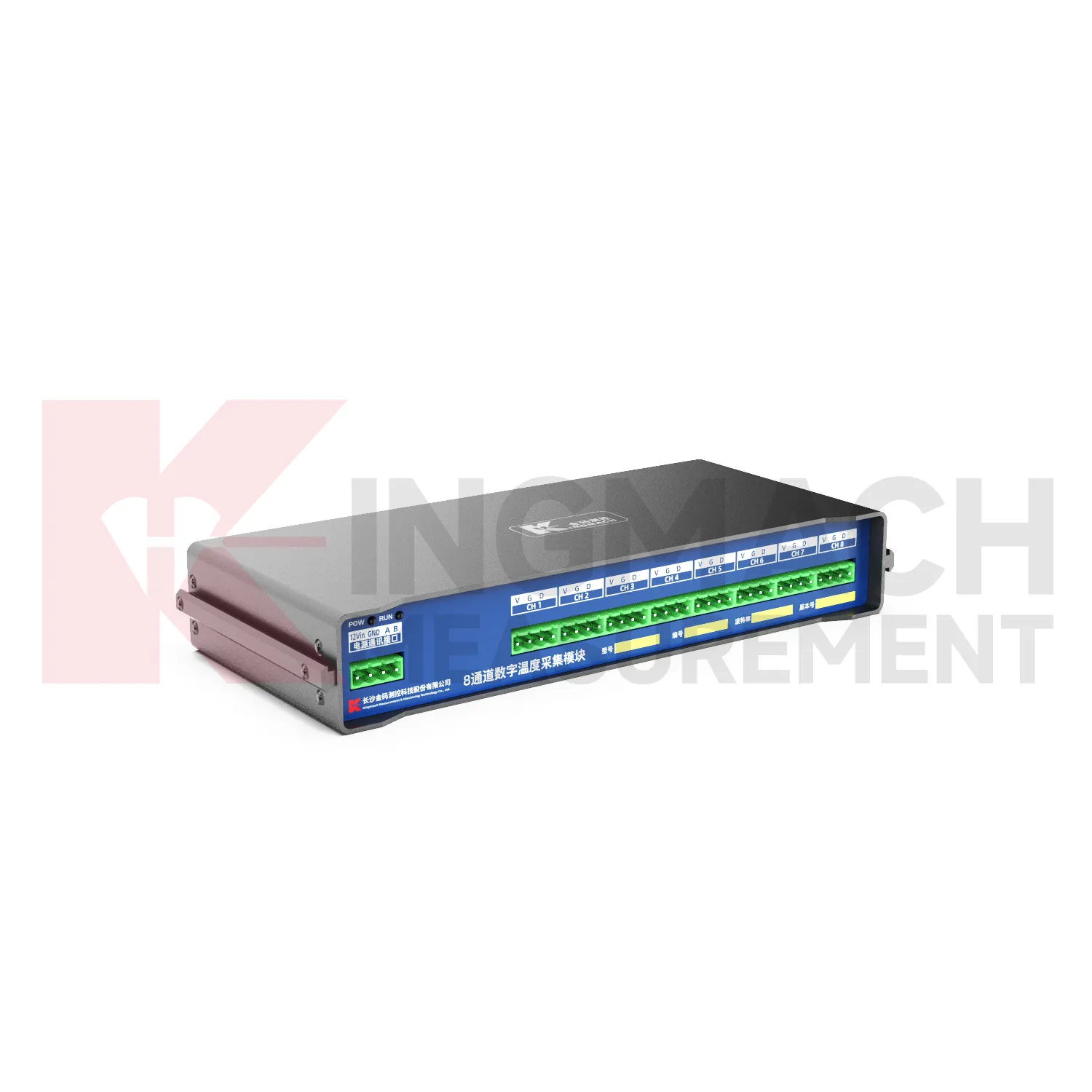
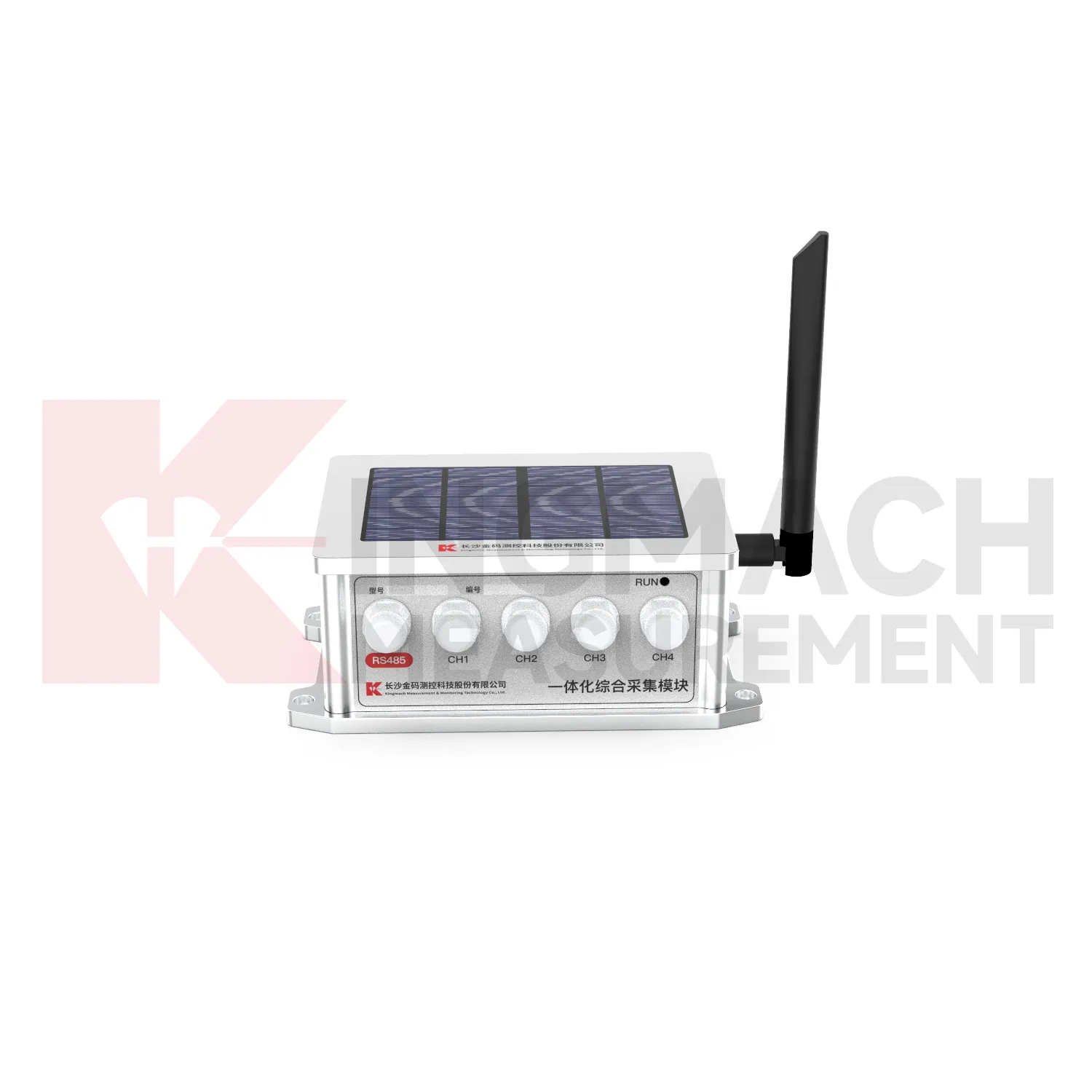
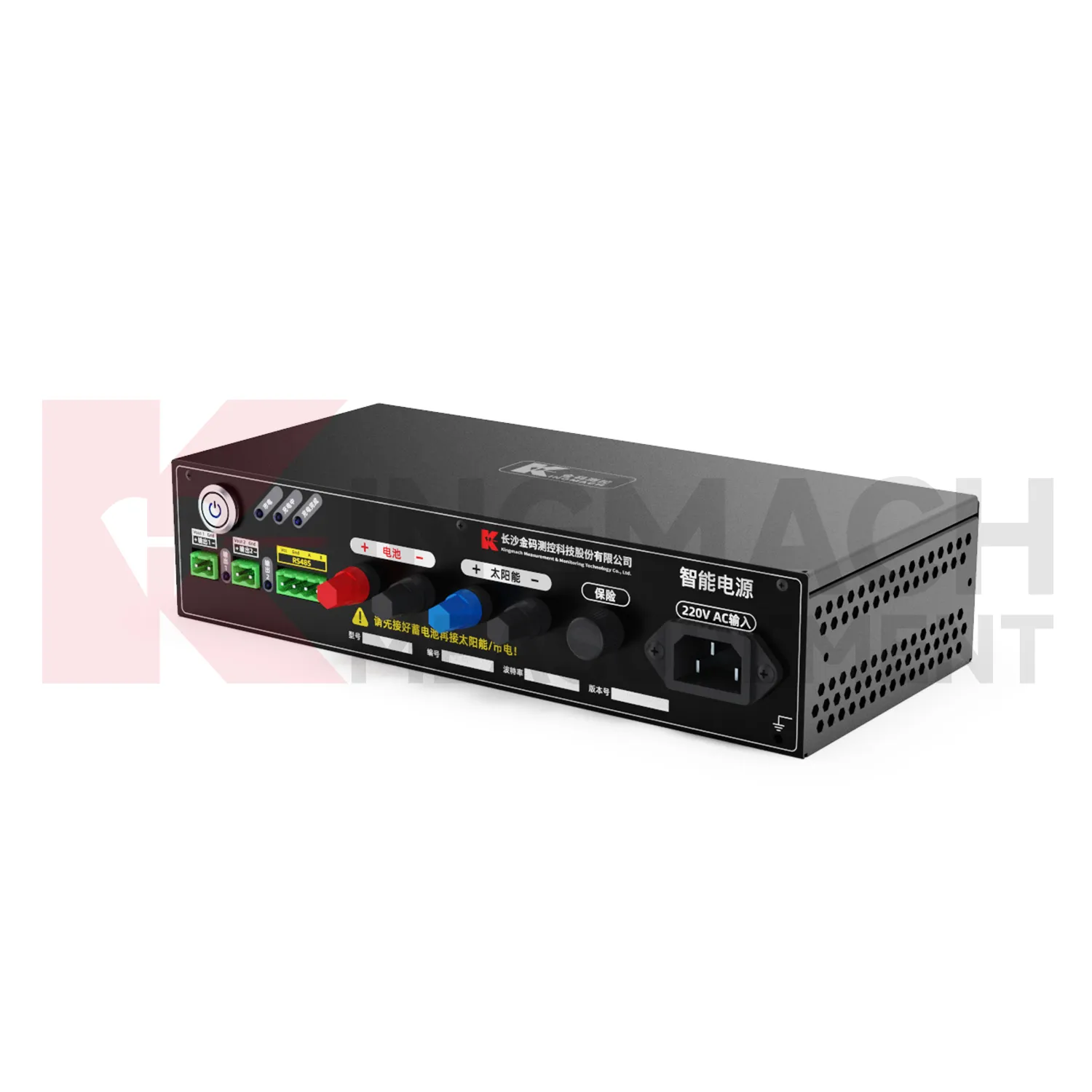
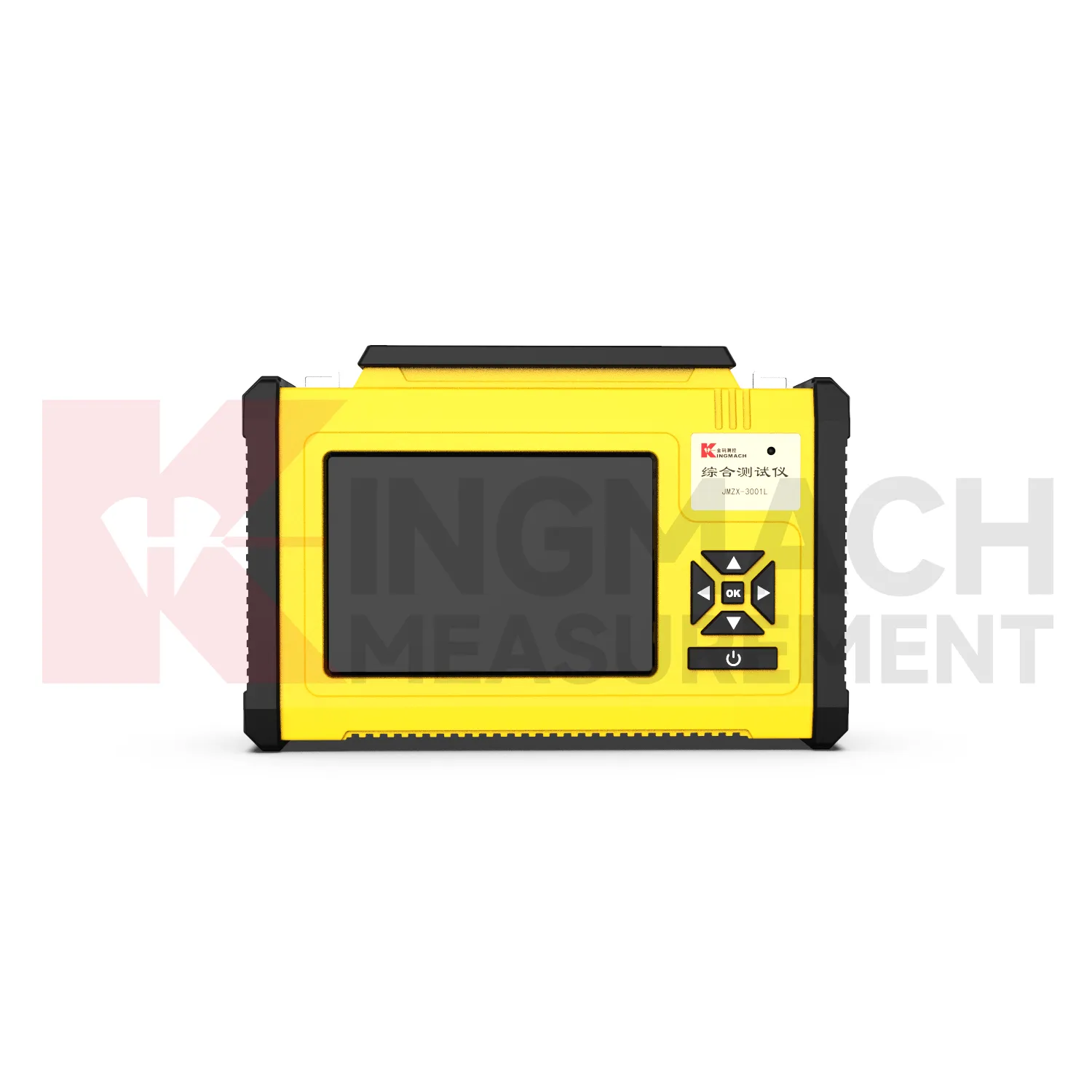
Dynamic Strain Data logger
Kingmach Dynamic Strain Data logger make monitoring networks easier to operate when sensor readings must support formal decisions. Construction teams may need fast confirmation after loading or excavation. Maintenance teams may need periodic checks after repair. Owners may need long-term records that can be exported for reporting. A data logger or readout should support these uses through stable measurement, clear display, dependable storage, and practical communication. It should also help prevent avoidable confusion by keeping the channel name, sensor type, and acquisition time visible. When the device is planned as part of the monitoring system, the project gains cleaner data and fewer uncertain readings. Formal decisions often require a record that can be defended months later. The reviewer may need to know who collected the data, which device was used, whether the station was healthy, and whether a field note explains unusual behavior. Acquisition discipline gives that review a stronger foundation and reduces arguments about missing context. Such discipline supports construction claims, repair review, safety meetings, and owner handover. A dependable device record can show whether a reading was routine, repeated, missing, or linked to a maintenance action. It also helps teams explain why an abnormal value was accepted, questioned, repeated, or linked to field inspection.
Application of Dynamic Strain Data logger
Slope and foundation pit monitoring uses Kingmach Dynamic Strain Data logger to keep displacement, load, pore pressure, rainfall, tilt, and structural response records organized. Field crews may use readouts to check sensors during excavation stages, anchor tensioning, drainage work, or inspection visits. Wireless loggers are useful when the site needs continuous records through rain, night shifts, or limited access periods. The acquisition interval should match the risk level and the construction stage. If excavation changes quickly, more frequent records may be needed; if the site is stable, routine intervals may be enough. A well-labeled data logger helps engineers compare changes with rainfall, excavation depth, support installation, and site photographs. In foundation pits, the monitoring record should follow construction sequence closely. Excavation depth, support installation, dewatering activity, anchor work, and heavy rainfall can all change the reading pattern. Acquisition equipment should help the team keep these events attached to the correct sensor group. This makes it easier to see whether a change belongs to construction progress, weather, support behavior, or a device issue. It also helps supervisors compare readings before and after excavation steps, temporary loading, rainfall response, and support adjustments without losing the site timeline. across the construction record. for later review. clearly.
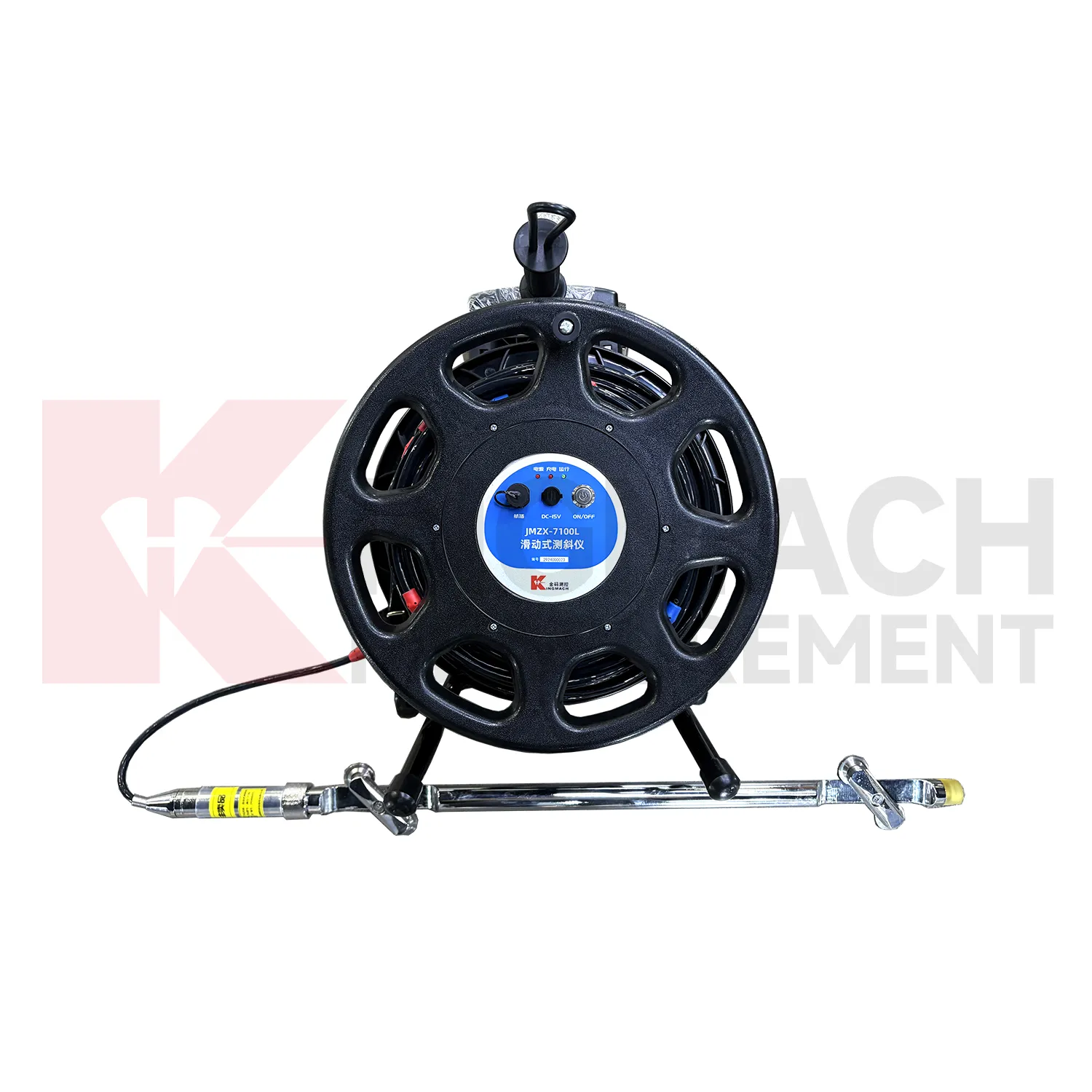
The future of Dynamic Strain Data logger
Future Kingmach Dynamic Strain Data logger will improve field maintenance planning for acquisition equipment. A data logger or readout may fail to support monitoring if cables are loose, connectors are wet, batteries are weak, or channel labels are unclear. Future systems can make these maintenance risks more visible by tracking device status, recent data gaps, voltage trends, and communication quality. This helps field teams inspect the right location before the record becomes unreliable. Maintenance planning will become part of data quality, not a separate afterthought. The next generation of stations can present power, upload, enclosure, and channel status in a way that helps maintenance teams prepare before visiting. A crew can bring the right battery, connector, cable label, or enclosure material instead of discovering the problem on site. That saves access time and protects monitoring continuity. It also helps owners plan maintenance budgets around real device condition instead of fixed assumptions. over time.
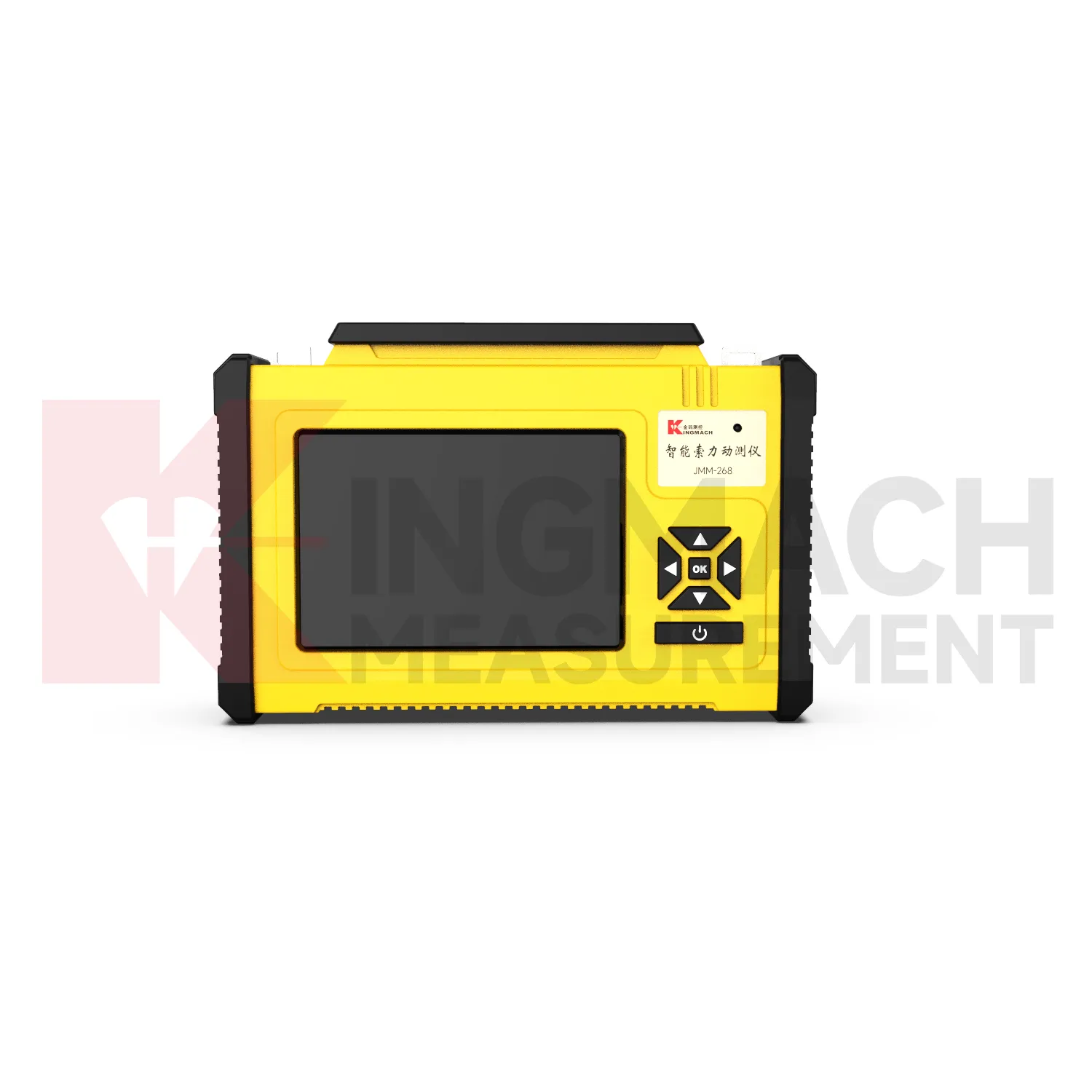
Care & Maintenance of Dynamic Strain Data logger
Wireless logger maintenance for Kingmach Dynamic Strain Data logger should include communication and access checks. Remote stations may continue collecting locally even when uploads fail, or they may stop because power, antenna position, or platform settings changed. Maintenance teams should review signal status, last upload time, battery condition, local storage, and enclosure condition. If a station is in a slope, dam, tunnel, or bridge area with difficult access, visits should be planned around real device status rather than fixed habit alone. Clear station notes reduce unnecessary trips and protect data continuity. Wireless maintenance should also record whether data was recovered locally after an upload gap. If the platform shows missing records, the field file may still contain stored readings. Checking local storage before replacing parts can save time and preserve the monitoring history. Antenna position, signal quality, and upload schedule should remain visible in the station record. for later review. by owners. consistently.
Kingmach Dynamic Strain Data logger
Kingmach Dynamic Strain Data logger connect field instruments with usable monitoring records for structural and geotechnical projects. A sensor may measure strain, displacement, tilt, temperature, vibration, pressure, or water behavior, but the engineering team still needs a dependable way to collect, display, store, and transfer that information. Readouts help technicians verify a point during installation or inspection, while data loggers support automatic acquisition over longer periods. The category is therefore part of the measurement chain, not an accessory afterthought. In bridges, tunnels, slopes, dams, buildings, and foundation pits, the quality of the record depends on channel naming, sensor compatibility, acquisition timing, power stability, communication status, and review discipline. A strong acquisition device keeps the sensor value connected with its physical location and measurement purpose. That connection helps the project team compare trends, review field events, and maintain confidence after the original installation team leaves.
FAQ
Q: What affects data reliability?
A: Power condition, cable connection, enclosure protection, channel labels, sensor compatibility, time settings, storage status, and field notes all affect reliability.
Q: What should be checked after maintenance?
A: Check the affected channel, first stable reading, cable route, device setting, power status, communication status, and whether the maintenance note is attached to the record.
Q: Why keep raw records?
A: Raw records allow engineers to review the original measurement behavior before filtering, summarizing, or comparing values with other site information.
Q: How do dynamic acquisition devices help?
A: They capture short events such as vibration, train passage, impact, blasting, or machinery activity with timing and channel information needed for later review.
Q: How can data gaps be reduced?
A: Use stable power, suitable acquisition intervals, protected enclosures, clear maintenance routines, communication checks, and scheduled data review. The record stays useful when point names, channel labels, sensor type, measurement time, and field condition are kept together, because later reviewers can connect the number with the actual structure and inspection history.
Reviews
Andrew Lee
The visualization software is intuitive and powerful. It helps us analyze monitoring data efficiently.
Joshua Clark
We ordered a full monitoring solution including sensors and data loggers. Everything works seamlessly together. Great supplier!
Latest Inquiries
To protect the privacy of our buyers, only public service email domains like Gmail, Yahoo, and MSN will be displayed. Additionally, only a limited portion of the inquiry content will be shown.
Ava***@gmail.comAustralia
Hi, I am looking for reliable tiltmeters and accelerometers for structural health monitoring. Please...
Harper***@gmail.comIndia
Dear Sir, we are planning to procure a complete monitoring system including strain gauges, tiltmeter...
Related product categories
- Industrialgrade Intelligent Power Module
- Integrated Central Acquisition Module
- Lowpower Industrialgrade Wireless Data Logger
- Lowpower 4G Wireless Data Logger
- Industrial Automation Chassis
- Embedded Automation Chassis
- Rackmount Automation Chassis
- Custom Automation Chassis
- Integrated Automation Chassis
- Wallmount Automation Chassis
- Tilt Acquisition Module
- Temperature and Humidity Acquisition