
 EN
EN
 ar
ar bg
bg hr
hr cs
cs da
da nl
nl fi
fi fr
fr de
de el
el hi
hi it
it ko
ko no
no pl
pl pt
pt ro
ro ru
ru es
es sv
sv tl
tl iw
iw id
id lv
lv lt
lt sr
sr sk
sk sl
sl uk
uk vi
vi et
et hu
hu th
th tr
tr fa
fa ms
ms hy
hy ka
ka ur
ur bn
bn mn
mn ta
ta kk
kk uz
uz ku
ku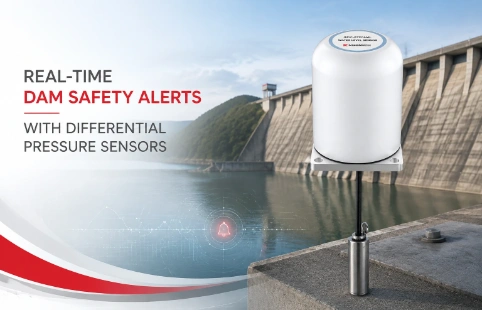
Real-Time Dam Safety Alerts with Differential Pressure Water Level Sensors
Key Takeaways An alert chain needs more than a sensor: define field in...

Sensor Shielded Test Cable That Cuts Through the Noise
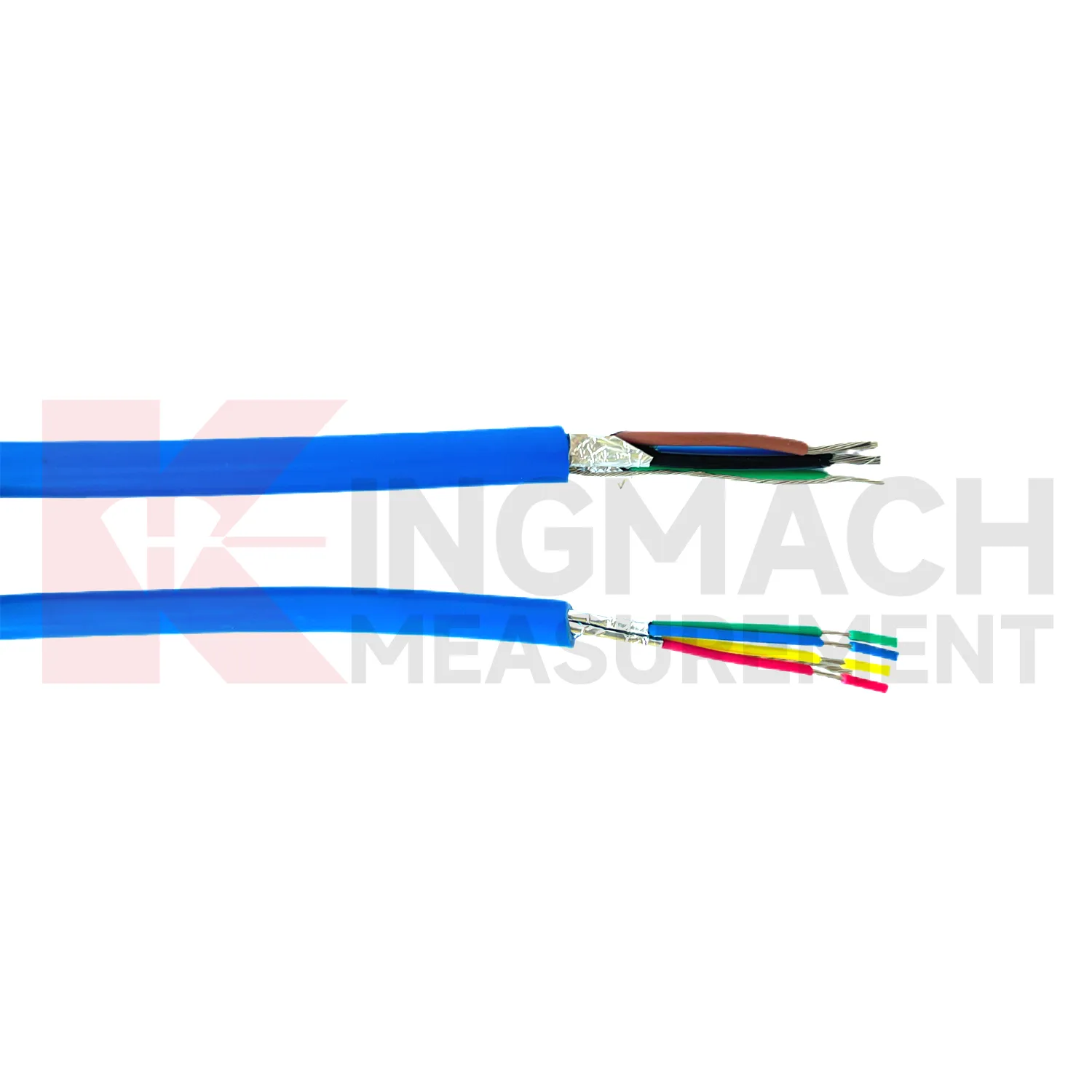
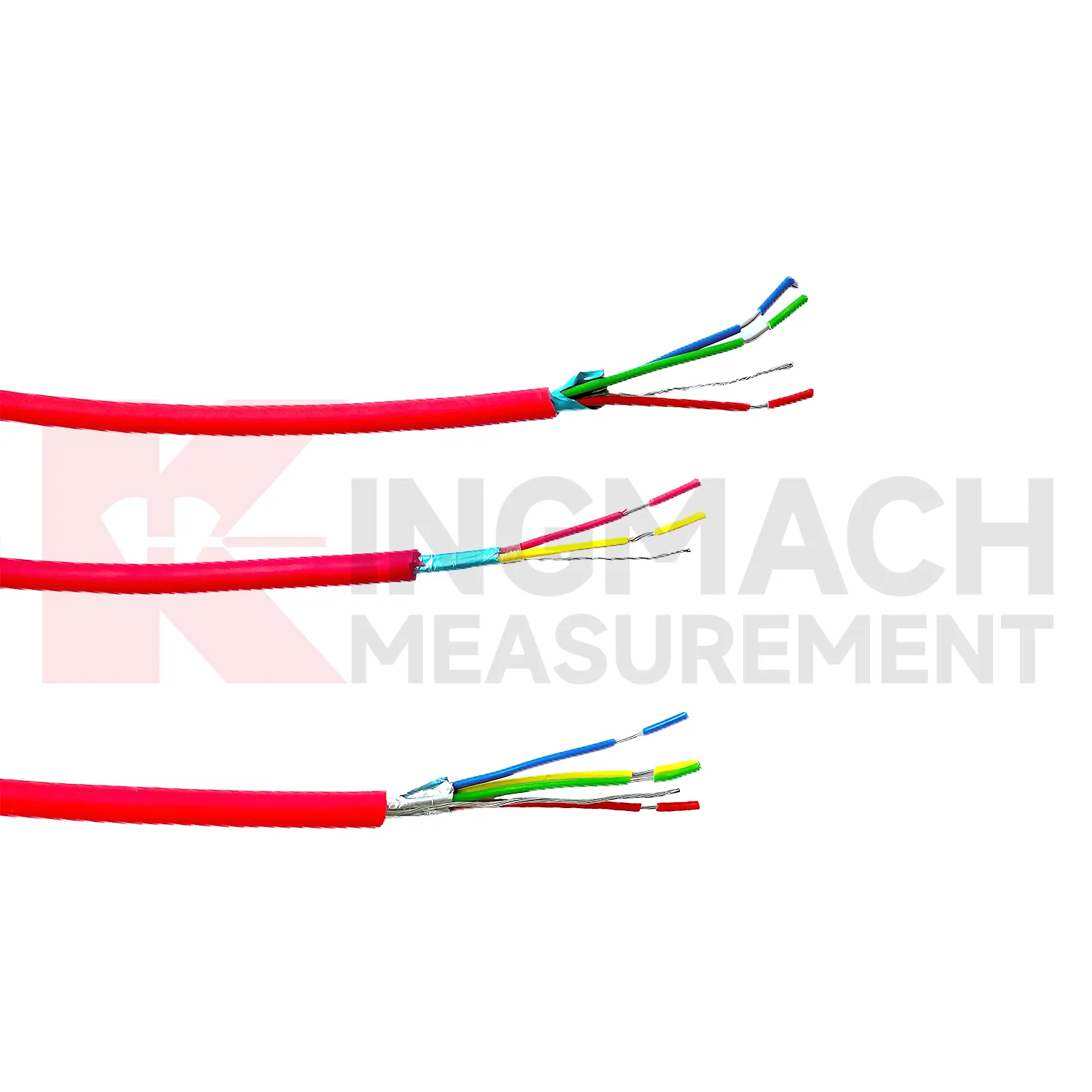
A sensor cable with poor shielding turns promising data into guesswork. That’s why we build our shielded test cables around one idea: keep the signal clean, even when the environment isn’t. Whether you’re logging vibration readings on a bridge or tracking pore pressure behind a dam, the last thing you need is a cable that picks up more hum than measurement. We’ve spent years refining the shielding and materials so these cables work in wet trenches, hot enclosures, and all the places geotechnical instruments end up. No lab-only fairy tales here—just cables that hold up.
Technical Detail
Kingmach makes sensors, so we know what a cable can ruin. These shielded test cables start with a tight-twist conductor pair to reject common-mode noise, then wrap that in a high-coverage braided shield and an aluminum foil layer. The combination handles both low- and high-frequency interference that shows up near motors, power lines, or radio gear. For the jacket, we use PUR on most orders—it resists cuts, oil, and UV better than standard PVC, which matters when the cable stays outdoors for months. We also offer PVC jackets where cost is tighter and the conditions are mild. Connectors are crimped or soldered per your spec; we stock common options for inclinometers, piezometers, and accelerometers, and we can build pigtails to match whatever data logger you’re using. Lengths are cut to order, not rolled off a rack, because nobody needs an extra 20 meters tangled in the control box. Over the years, we’ve tweaked the lay length and insulation thickness to keep capacitance low on long runs—important for vibration wire sensors where pulse travel time matters. Custom printing like numbers or project tags is straightforward if you ask. These cables ship in heavy-duty coils that don’t kink when you pull them, which your rigging crew will appreciate.
News
Key Takeaways An alert chain needs more than a sensor: define field in...
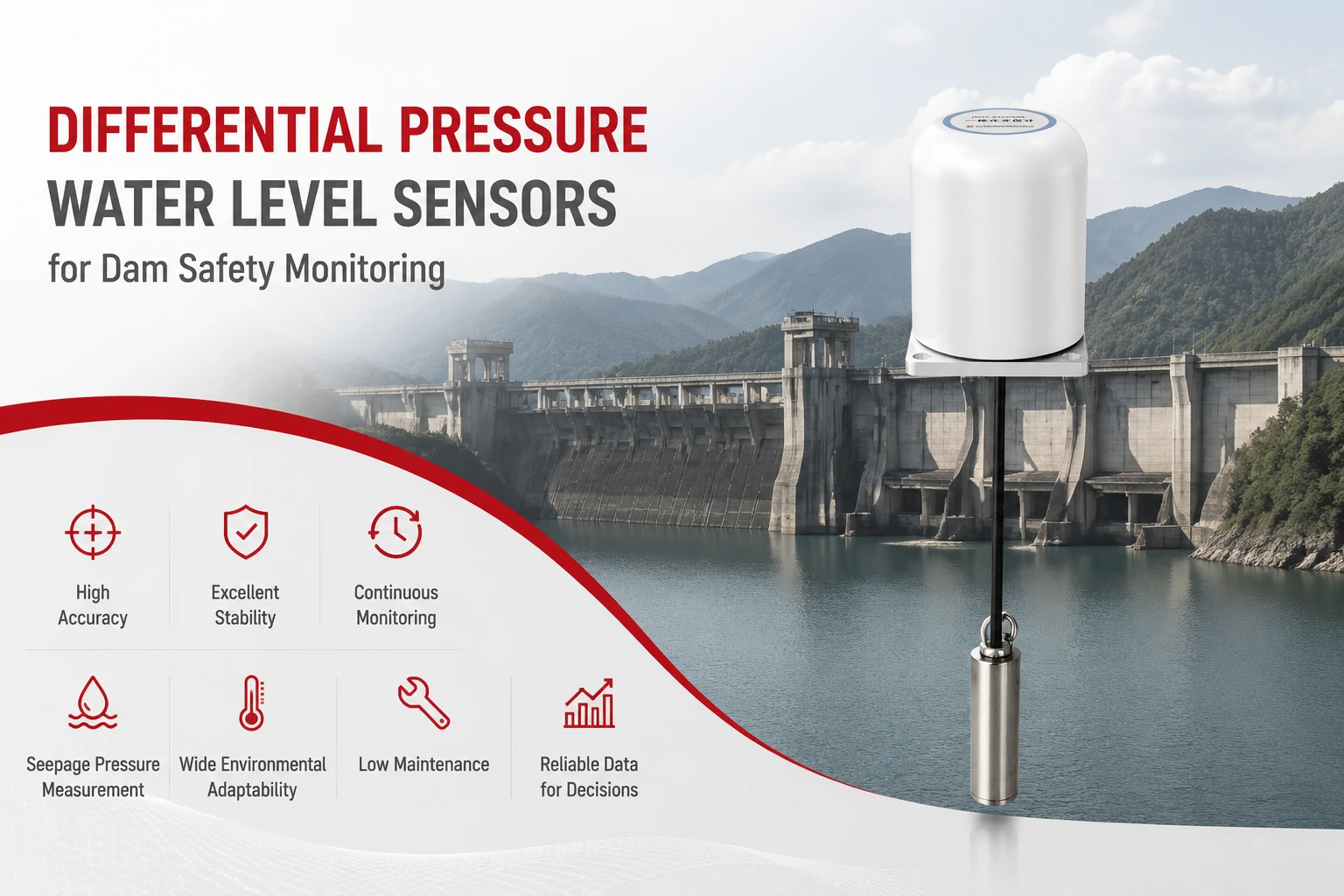
Key Takeaways The strongest fit is usually a confined, submerged, or s...
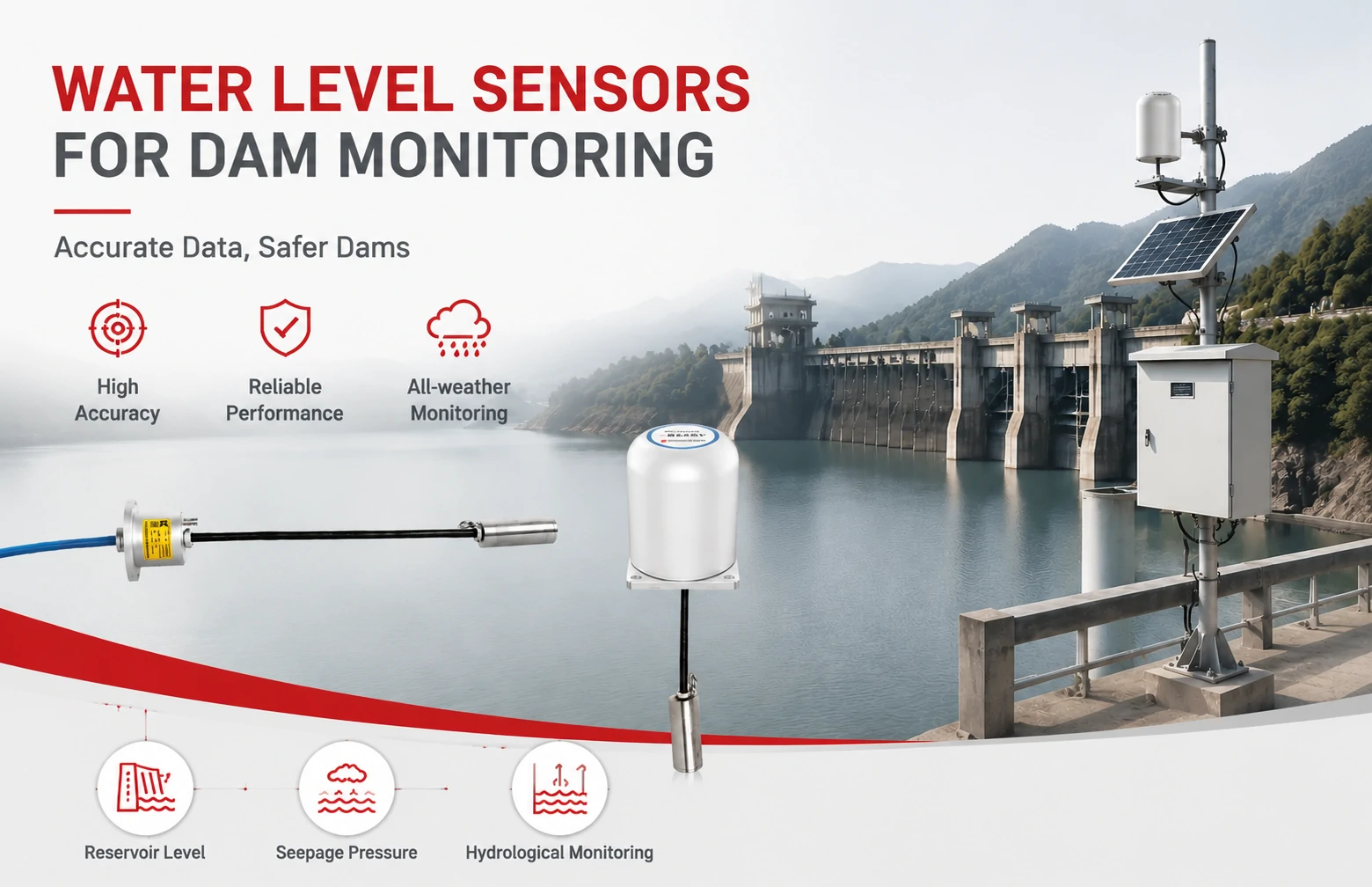
Kingmach Water Level Sensors for Dam Monitoring: A Buyer's Guide to Differential Pre...
Products
FAQ
Yes, the low capacitance helps maintain clean pulse timing on long cable runs. We’ve used similar constructions with our own vibrating wire piezometers without issues.
Connect the drain wire at the data logger end only. Grounding both ends can create ground loops and inject more noise than you started with. If you must ground at the sensor, use an isolated ground scheme.
PUR handles abrasions, cuts, and weather better. It lasts longer in direct sunlight and stays flexible in cold. PVC is cheaper and works fine indoors or in conduit, but can stiffen and crack over time outdoors.
Yes, we can terminate with various connectors—LEMO, BNC, bare leads, or others. Tell us your sensor and logger model, and we’ll match the pinout.
For most geotechnical sites with moderate EMI, our braid-plus-foil construction is enough. If you’re close to heavy motors or radio transmitters, double-braid can help, but let us know your environment and we’ll advise.
Share your product type, target capacity, and application requirements. Our team can review the details and recommend a practical next step.
Related Keywords
If you are interested in our products or want to become our partner.
Please leave your contact information, our team will contact you as soon as possible.
Mail: [email protected]
Contact Us: +8613808434127
Address: No. 188 Tongzipo West Rd, Changsha, Hunan, China