
 EN
EN
 ar
ar bg
bg hr
hr cs
cs da
da nl
nl fi
fi fr
fr de
de el
el hi
hi it
it ko
ko no
no pl
pl pt
pt ro
ro ru
ru es
es sv
sv tl
tl iw
iw id
id lv
lv lt
lt sr
sr sk
sk sl
sl uk
uk vi
vi et
et hu
hu th
th tr
tr fa
fa ms
ms hy
hy ka
ka ur
ur bn
bn mn
mn ta
ta kk
kk uz
uz ku
ku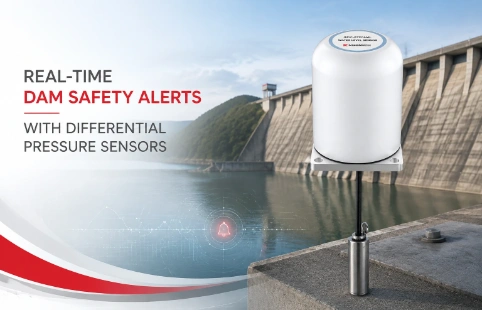
Real-Time Dam Safety Alerts with Differential Pressure Water Level Sensors
Key Takeaways An alert chain needs more than a sensor: define field in...

Load Cell Circuit Design for Reliable Geotechnical Data
Most load cells put out a millivolt-level signal that’s easily swamped by noise. In geotechnical monitoring, where sensors often sit at the bottom of a borehole or embedded in concrete, the circuit between the gauge and the data logger is where accuracy is won or lost. Kingmach builds instruments around load cell circuits that handle tough field conditions—long cable runs, temperature swings, and moisture—without letting the signal degrade. We don’t just match components; we figure out what the installation needs and make sure the amplifier, filter, and excitation stage work together from day one. Whether you’re tracking anchor forces, pile load, or structural stress, getting the circuit right means you can trust the numbers.
Technical Detail
A load cell circuit is more than a Wheatstone bridge and an op-amp. For field instruments, the electronics have to reject common-mode noise, compensate for thermal drift, and survive voltage spikes from nearby equipment. Kingmach’s approach starts with a true differential input stage that gives a CMRR above 100 dB at 50/60 Hz, so power-line interference doesn’t mask small load changes. We also use software-controlled offset calibration to zero out residual drift without trimpots that can shift during transport. For long cable installations, our excitation voltage compensation prevents the voltage drop in the leads from fooling the measurement. These details add up to a load cell circuit that doesn’t need frequent recalibration, even in a dusty construction environment. Our team works with project engineers to match the circuit to the sensor—whether it’s a hydraulic load cell, a strain gauge anchor, or a custom bolt-on sensor—and can adjust filtering and amplification for dynamic or static readings. With a global distribution network and technical support that actually knows the hardware, Kingmach helps monitoring programs get consistent data from day one.
News
Key Takeaways An alert chain needs more than a sensor: define field in...
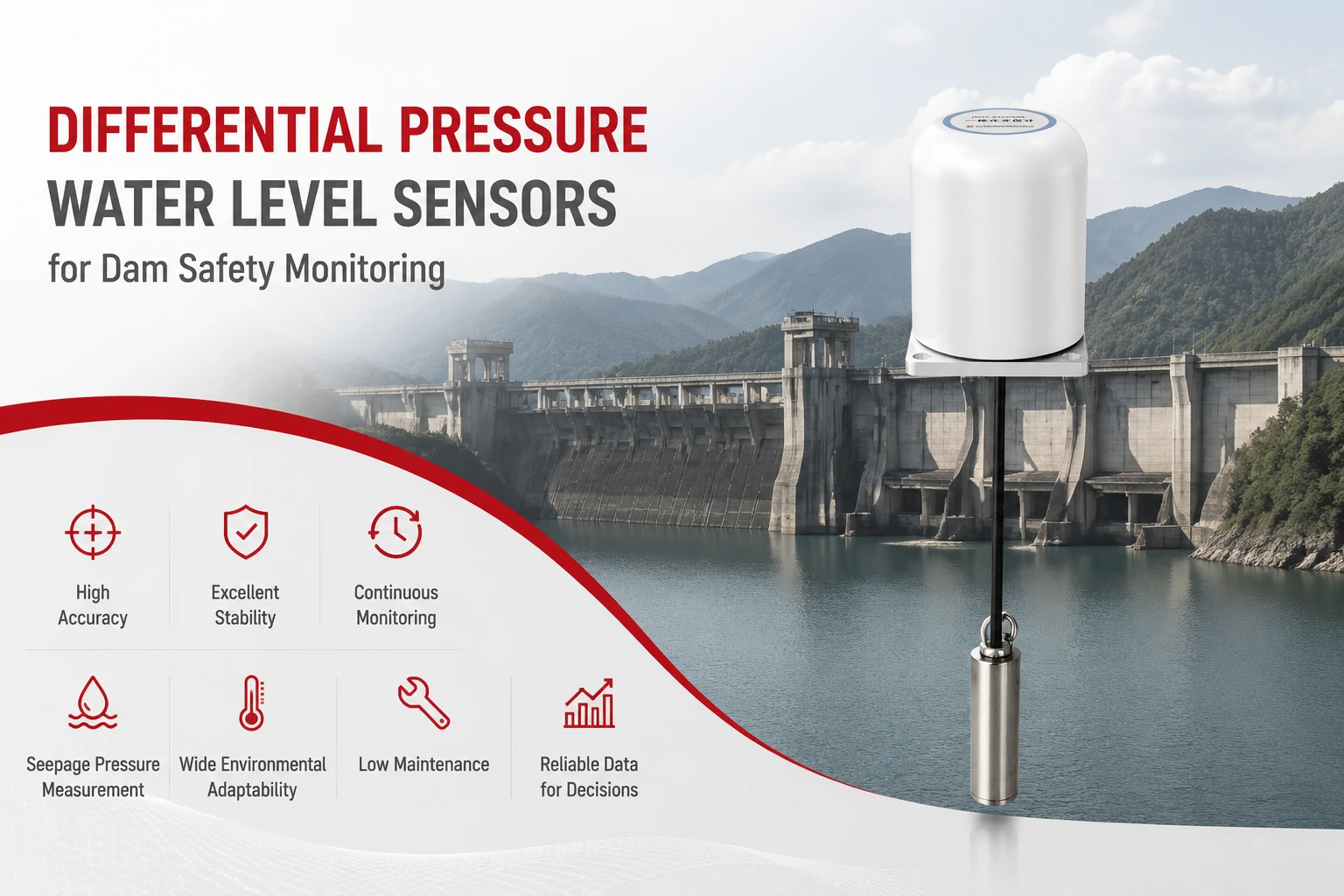
Key Takeaways The strongest fit is usually a confined, submerged, or s...
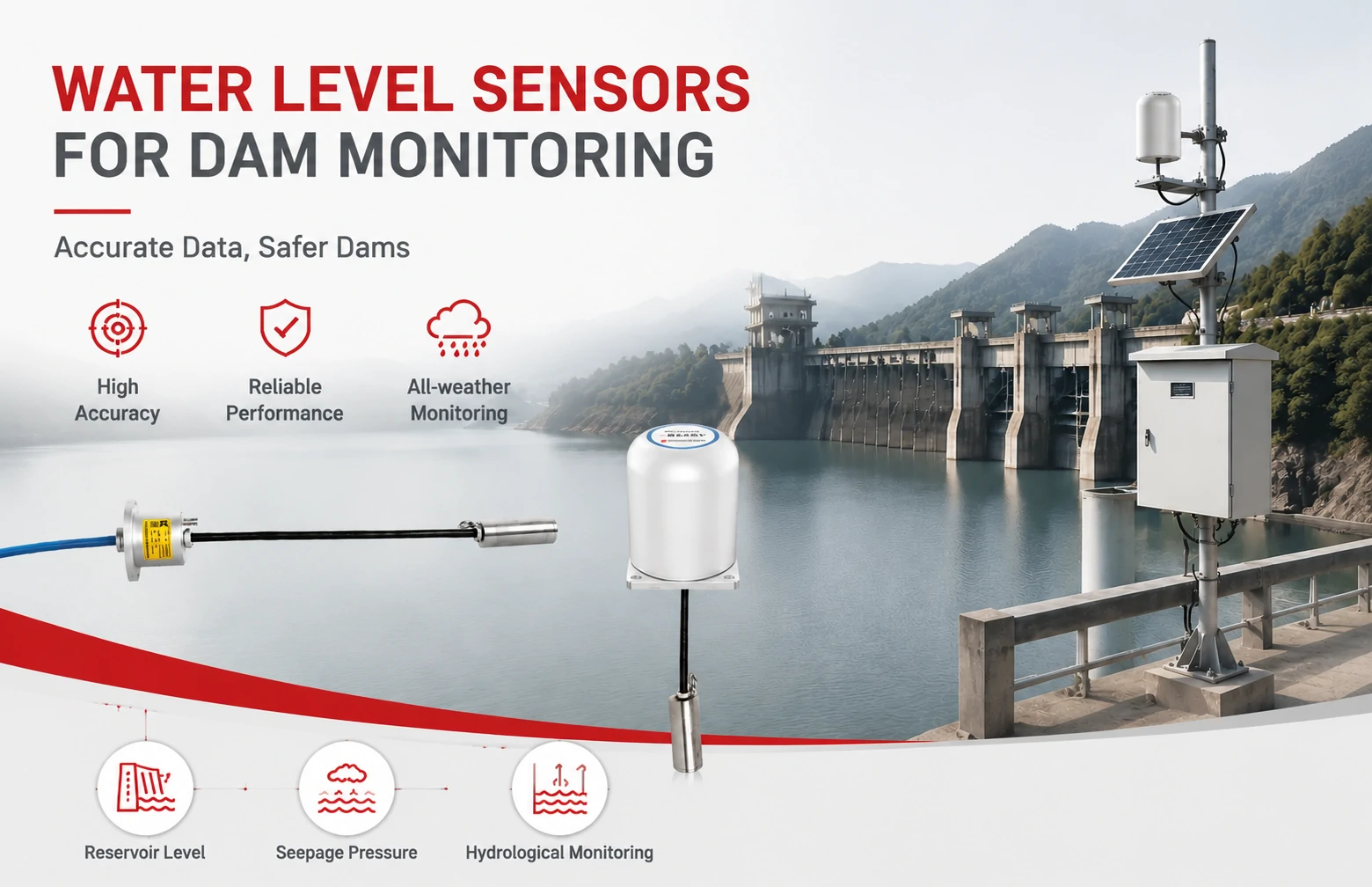
Kingmach Water Level Sensors for Dam Monitoring: A Buyer's Guide to Differential Pre...
Products
Smart Formwork Axial Force Meter(VW)JMZX-39XXHAT
View Details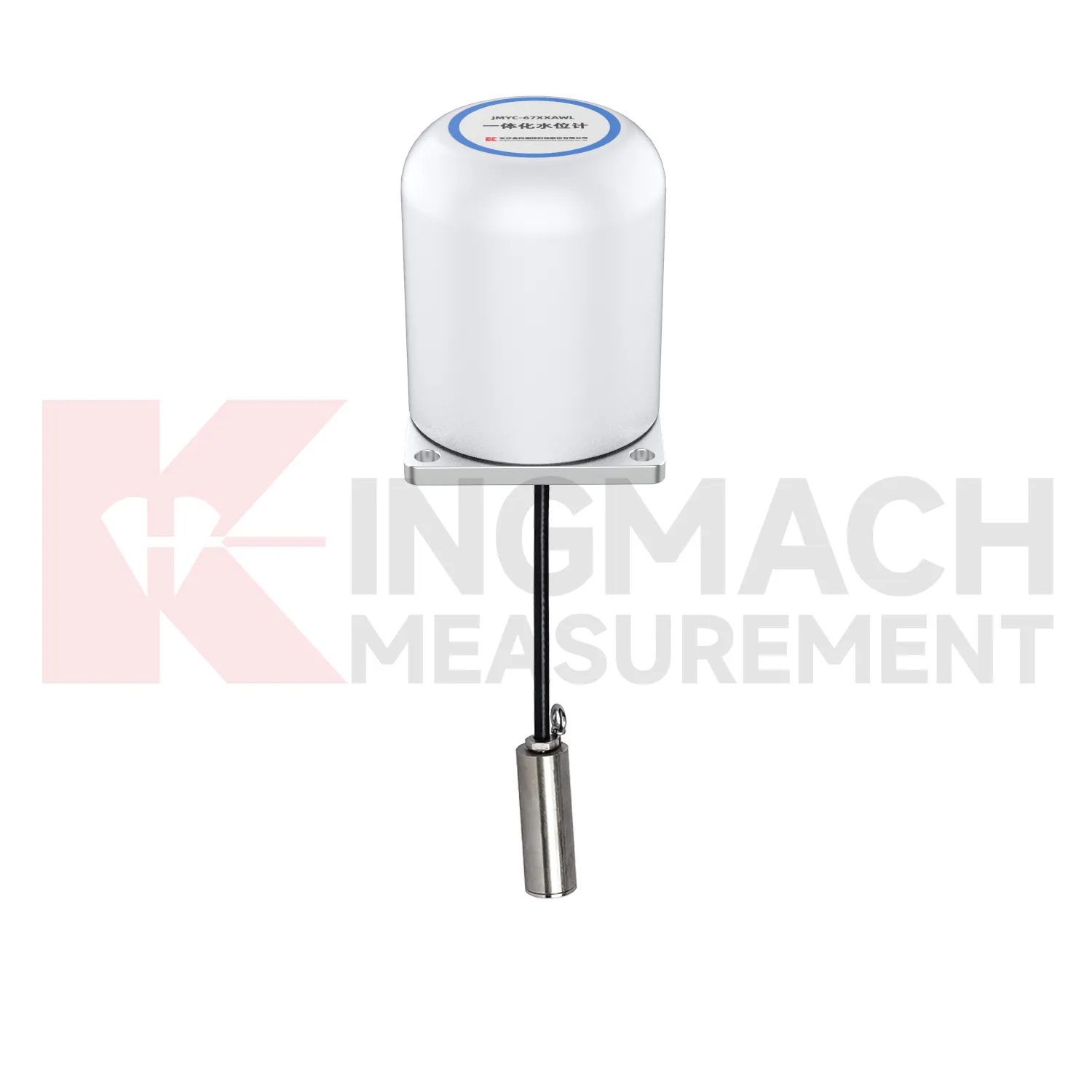
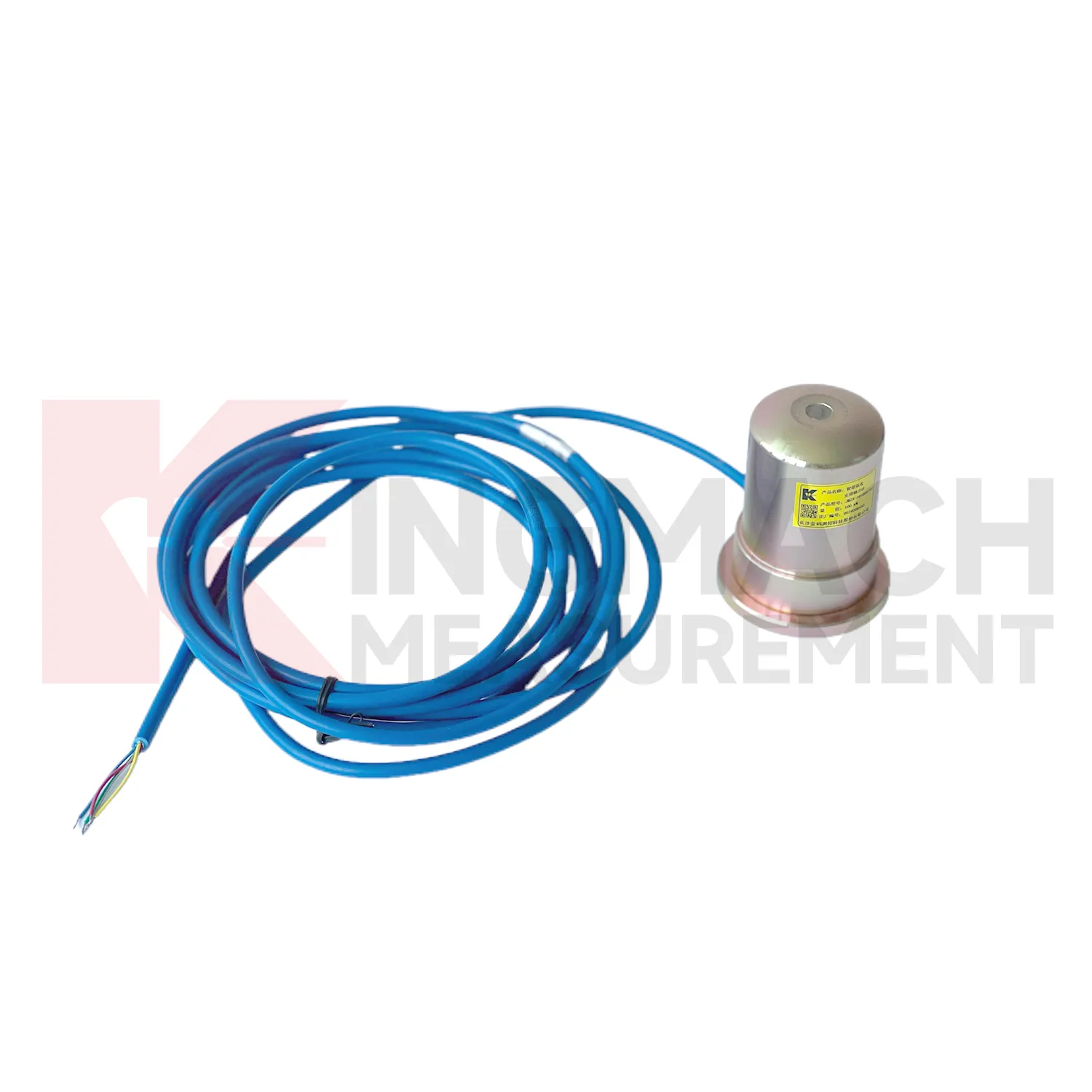
Integrated Wide-Range Differential Pressure Water Level Meter JMYC-67XXAWL
View Details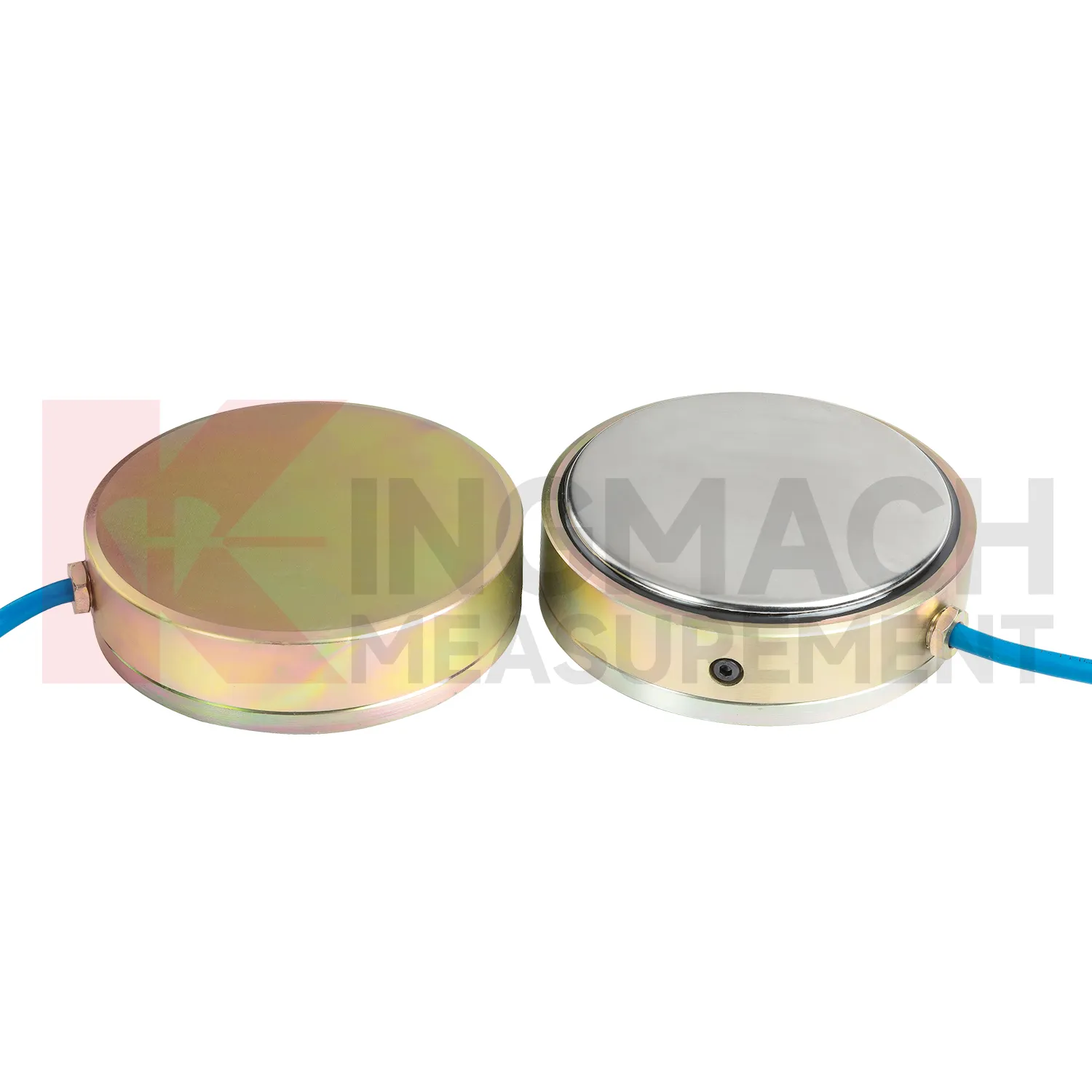
Earth Pressure Cell ( VW & Smart Type) JMZX-50XXAT/ ATM
View DetailsFAQ
Most foil strain gauge load cells run on 5 to 10 V DC. Using a regulated excitation voltage is essential, because any drift in the supply directly shows up as a drift in the reading. Kingmach’s circuits use low-noise, low-temperature-coefficient references to keep excitation stable.
In addition to twisted-pair, shielded cable, the circuit should have a differential input with high common-mode rejection. Kingmach’s modules filter out power-line noise at the input and can drive a 4–20 mA current loop for distances over 100 meters, which is much less susceptible to interference than a voltage signal.
Yes. By setting the zero point to mid-range and using a bipolar supply or a virtual ground, the same circuit can measure forces in both directions. Our instruments typically have a programmable zero offset that you can configure through the digital interface.
We combine passive and active methods. The bridge completion resistors are selected for low tempco, and a digital temperature sensor on the board lets the microcontroller apply gain correction based on a calibration table stored for each sensor. This keeps the accuracy within spec over a wide ambient range.
With proper circuit design, recalibration intervals can be extended. Our systems typically hold calibration for a year or more in stable installations. However, if the sensor undergoes shock loads or extreme thermal cycles, we recommend a field check with a shunt calibration resistor to verify the circuit’s health.
Share your product type, target capacity, and application requirements. Our team can review the details and recommend a practical next step.
If you are interested in our products or want to become our partner.
Please leave your contact information, our team will contact you as soon as possible.
Mail: [email protected]
Contact Us: +8613808434127
Address: No. 188 Tongzipo West Rd, Changsha, Hunan, China