
 EN
EN
 ar
ar bg
bg hr
hr cs
cs da
da nl
nl fi
fi fr
fr de
de el
el hi
hi it
it ko
ko no
no pl
pl pt
pt ro
ro ru
ru es
es sv
sv tl
tl iw
iw id
id lv
lv lt
lt sr
sr sk
sk sl
sl uk
uk vi
vi et
et hu
hu th
th tr
tr fa
fa ms
ms hy
hy ka
ka ur
ur bn
bn mn
mn ta
ta kk
kk uz
uz ku
ku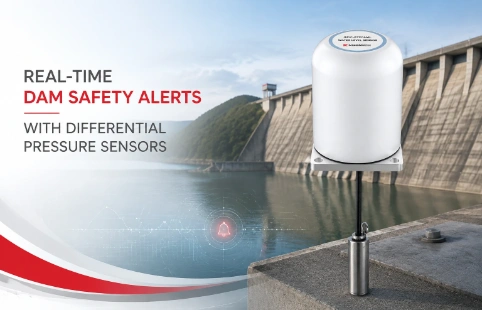
Real-Time Dam Safety Alerts with Differential Pressure Water Level Sensors
Key Takeaways An alert chain needs more than a sensor: define field in...

Piezometer and Standpipe That Actually Survive Field Conditions
If you’ve ever pulled a clogged standpipe out of a borehole halfway through a monitoring cycle, you know the frustration. Fine silt sneaks past the filter, the plastic cracks during installation, or the readings drift because the sensor wasn’t designed for that soil chemistry. Kingmach builds piezometer and standpipe systems to avoid that rerun. We don’t just cut and thread PVC. We pick filter materials based on formation grain size, reinforce joints so they hold up in unstable ground, and pair standpipes with transducers that keep their calibration over months in the field. That’s the difference between data you can use and data you have to scrape. Our customers use these instruments in dam safety, deep excavation, landslide monitoring and dewatering projects. The component list is standard enough for engineers to specify, but the assembly and material choices are where the headaches get removed. We’ve seen what breaks in the field and we build the opposite.
Technical Detail
Kingmach piezometer and standpipe assemblies start with the basics done right. The standpipe itself can be plain or slotted rigid PVC, stainless steel or galvanized steel – the choice depends on your installation depth and chemical environment. Slots or holes are machined consistently, not just punched, so the open area is predictable. That matters when you’re trying to match filter pack particle size to formation grain curves. We use sintered ceramic or etched stainless steel filter elements, and can spec geotextile wraps if the sands are fine and mobile. On the transducing side, we offer both pneumatic and vibrating wire series, with overvoltage protection and surge arrestors for sites that get hit by lightning. The cable connections are double-sealed: an inner o-ring and an outer compression gland. It’s a small detail that keeps water out of the signal path. Because we manufacture the full string – from the filter tip up to the surface enclosure – there is no finger-pointing between component suppliers when something does not fit. Customization is standard practice for our team. We’ve cut slotted intervals at odd spacings for fractured rock, built extra-long sand traps for bores with high sedimentation, and paired standpipes with multi-point extensometers on the same plate. Most of our stock ships within a few working days, and long-custom items get a lead time confirmed before you pay. If your consulting engineer wants to talk through the installation procedure with our support team, we make that happen in their time zone.
News
Key Takeaways An alert chain needs more than a sensor: define field in...
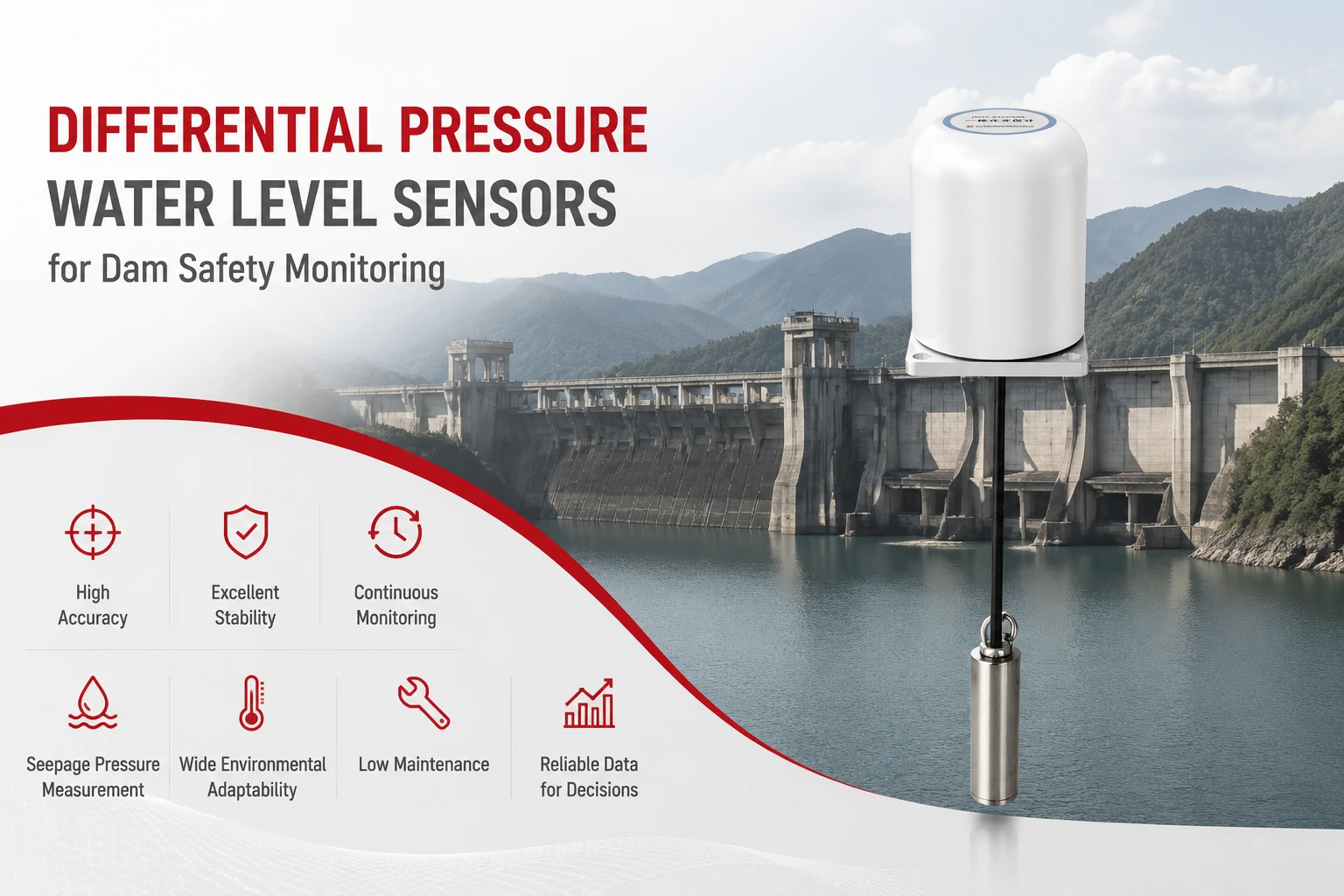
Key Takeaways The strongest fit is usually a confined, submerged, or s...
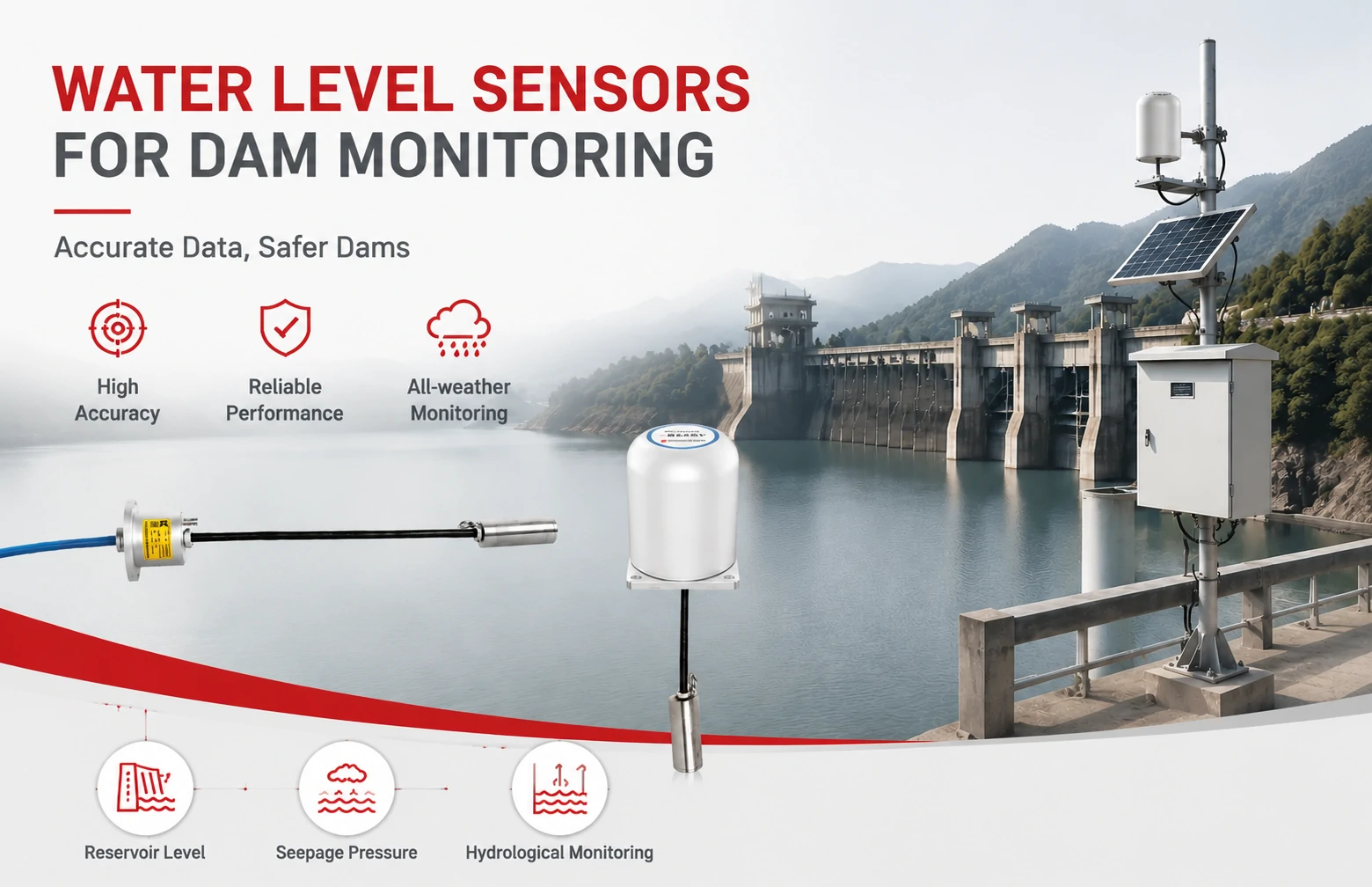
Kingmach Water Level Sensors for Dam Monitoring: A Buyer's Guide to Differential Pre...
Products
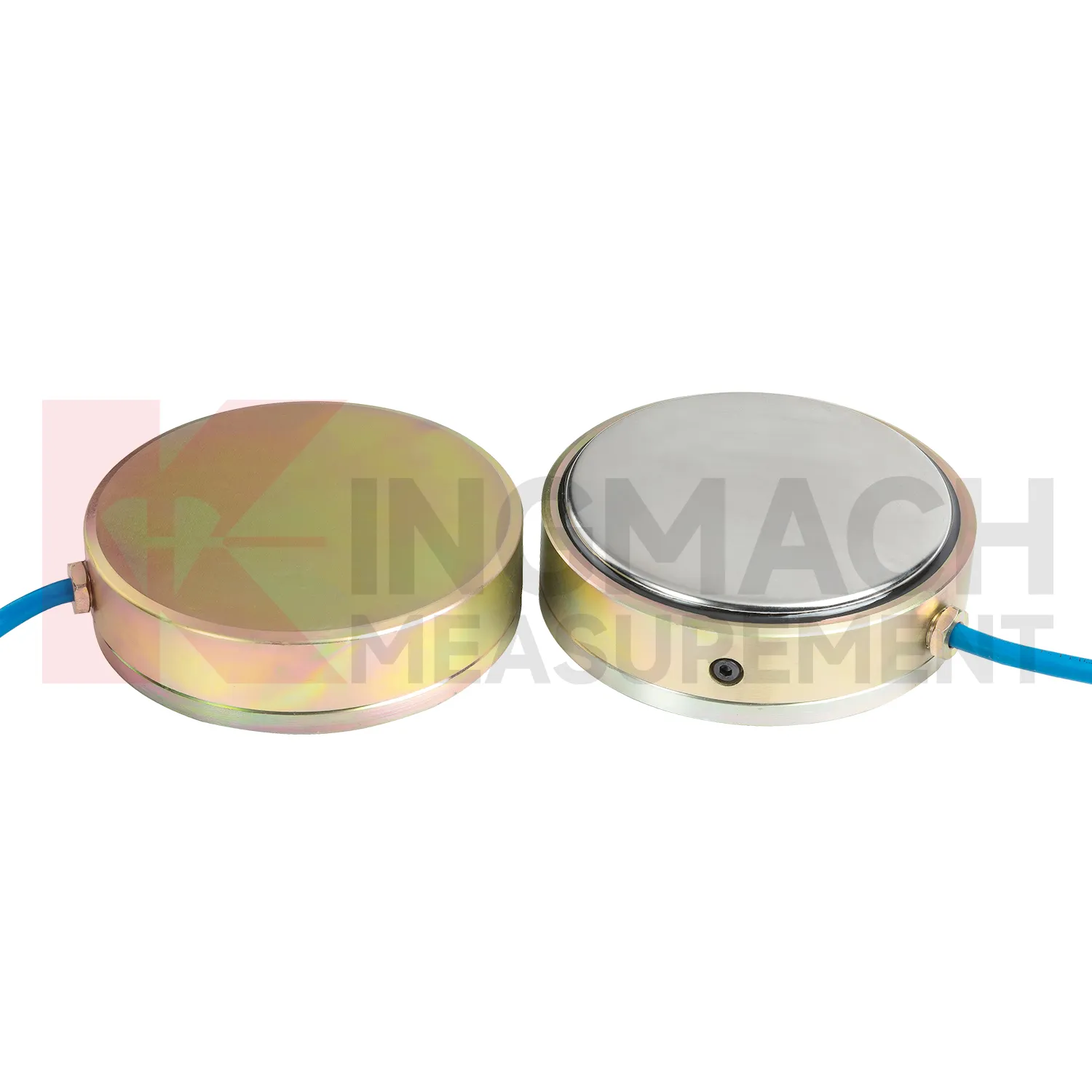
Earth Pressure Cell ( VW & Smart Type) JMZX-50XXAT/ ATM
View Details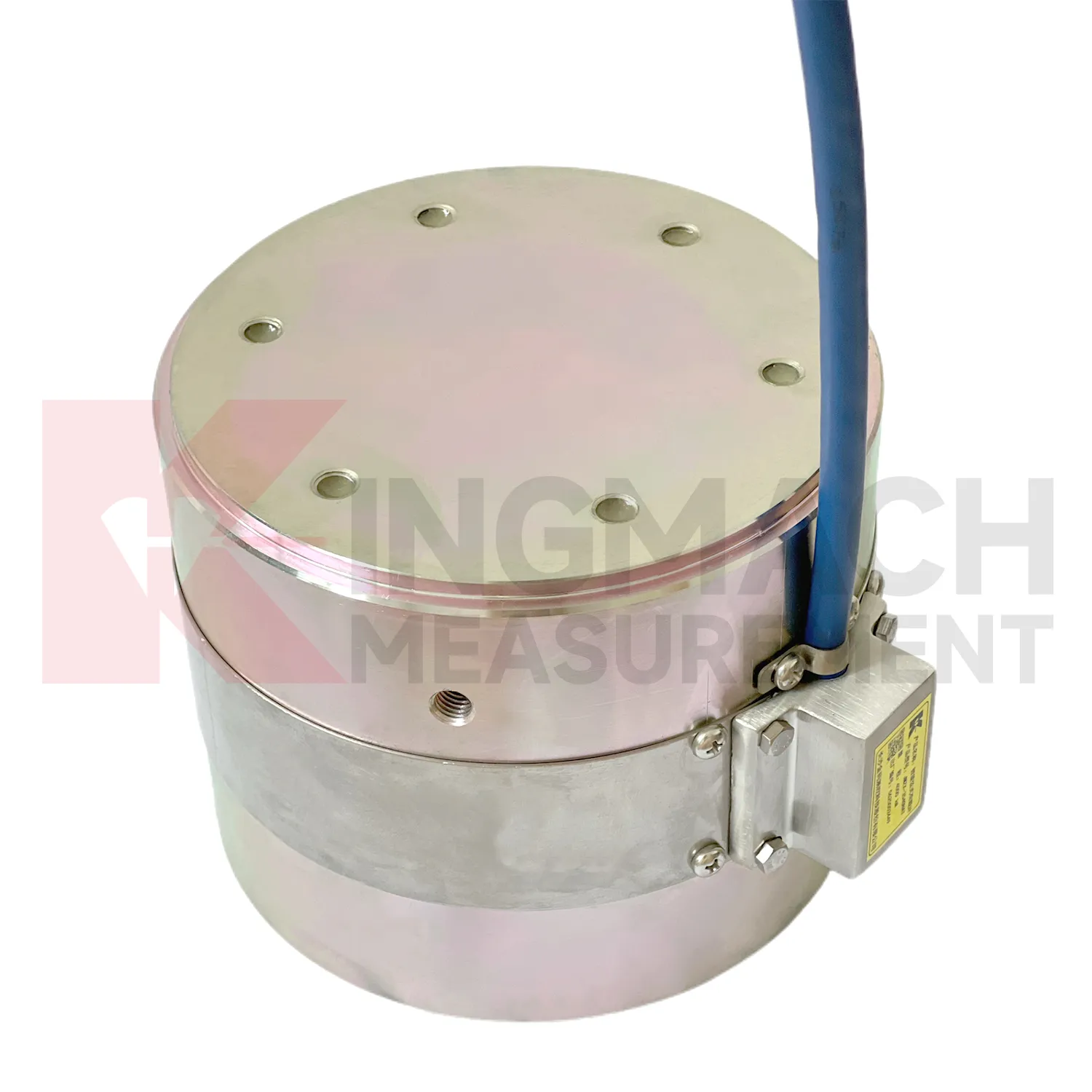
Solid load cell JMZX-34XXHAT、35XXHAT、36XXHAT
View Details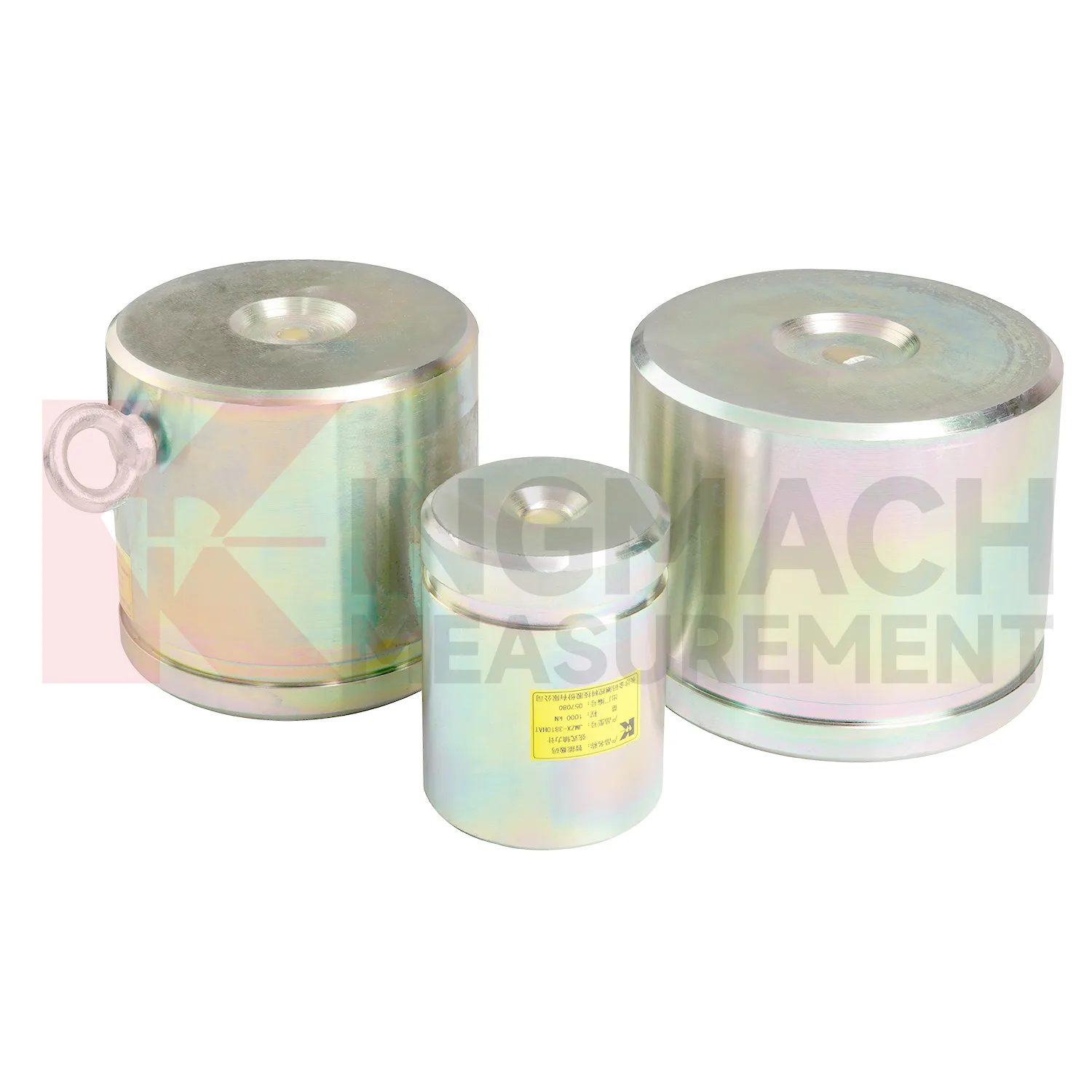
Axial Force Load Meter ( VW & Smart Type)JMZX-38XXHAT
View DetailsFAQ
A standpipe is the physical tube you see sticking out of the ground – it provides access to the water column. A piezometer is the sensing element (e.g., a diaphragm tip) that converts water pressure into a signal. In practice, the term ‘standpipe piezometer’ often lumps both together: a slotted tube with a filter and a pressure sensor inside.
PVC works for most shallow applications where chemical aggression is low and you aren’t trying to read very subtle pressure changes. Stainless steel gets specified when the borehole is deep, the formation is acidic, or the installation requires a driven method rather than drilling. We usually go stainless when the monitoring period is longer than five years.
We supply the full assembly. That means the slotted casing, filter tip, pressure transducer, signal cable, wellhead cap and even the water-level indicator if you need one. You won’t get caught with mismatched threads or incompatible voltage ranges.
It decides whether your piezometer responds in minutes or hours during a storm event. Too fine a filter and you induce lag; too coarse and silt plugs the element. We’ll usually ask you for the D50 of the formation and recommend a ceramic pore size or geotextile class from there.
Yes, we often ship pre-cut, pre-assembled lengths with borehole IDs marked on each bundle. It cuts the installation crew’s time by half and reduces the chance of putting the wrong slotted interval at the wrong depth.
Share your product type, target capacity, and application requirements. Our team can review the details and recommend a practical next step.
If you are interested in our products or want to become our partner.
Please leave your contact information, our team will contact you as soon as possible.
Mail: [email protected]
Contact Us: +8613808434127
Address: No. 188 Tongzipo West Rd, Changsha, Hunan, China