
 EN
EN
 ar
ar bg
bg hr
hr cs
cs da
da nl
nl fi
fi fr
fr de
de el
el hi
hi it
it ko
ko no
no pl
pl pt
pt ro
ro ru
ru es
es sv
sv tl
tl iw
iw id
id lv
lv lt
lt sr
sr sk
sk sl
sl uk
uk vi
vi et
et hu
hu th
th tr
tr fa
fa ms
ms hy
hy ka
ka ur
ur bn
bn mn
mn ta
ta kk
kk uz
uz ku
ku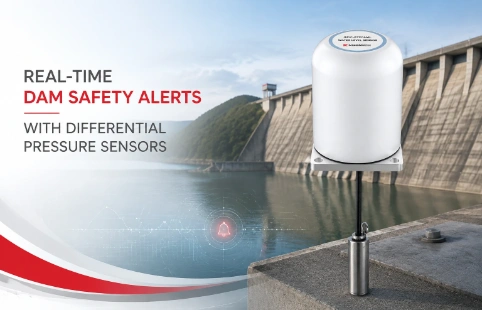
Real-Time Dam Safety Alerts with Differential Pressure Water Level Sensors
Key Takeaways An alert chain needs more than a sensor: define field in...

Piezometer Well Systems Built for Real Field Demands
When you are tracking pore pressure in an embankment or watching for seepage under a retaining wall, the piezometer well you choose matters more than the brochure bullet points suggest. Kingmach has supplied these instruments to engineering teams across dozens of countries, and the feedback always circles back to the same few things: the filter stone doesn’t clog as fast as expected, the standpipe threading holds up after rough handling, and the reading zone actually isolates the layer you are targeting. There isn’t one perfect well for every project—open standpipes, Casagrande tips, twin‑tube setups—and that’s why the conversation usually shifts from ‘which model’ to ‘what’s your borehole stratigraphy’.
Technical Detail
A piezometer well from Kingmach isn’t just a screen and riser pipe thrown in a box. Every unit is built around the principle that the filter zone has to stay open long enough to give meaningful data, especially in silty or fine‑sand formations where most generic slots choke early. The standard filter uses a synthetic porous element with an equivalent opening size commonly specified around 60–80 microns, but the production team can shift that spec if your gradation curves call for it. Above the filter, a bentonite seal seat and grout collar arrangement helps keep surface water from short‑circuiting the readings—something site engineers complain about with lesser designs. The riser pipe is typically rigid PVC or galvanised steel, threaded in 1.5‑ to 3‑metre lengths, and Kingmach bundles each well with end caps, flush‑mount covers, and a protection post if you need it. Where repeated groundwater sampling is planned, the drop‑in transducer option or the manual dip‑meter access makes routine monitoring less of a chore. And because procurement often runs into oddball requirements—offsets, angled installations, multi‑level clusters—the engineering desk will review your cross‑sections and suggest a layout without charging a separate design fee. That kind of back‑and‑forth is what turns a standard product order into something that actually fits the geology you’re dealing with. On the support side, shipments leave with calibration certificates for any bundled transducers, and the warehouse keeps most common diameters and slot sizes in stock, so lead time rarely stretches beyond three weeks unless you order a custom seal assembly.
News
Key Takeaways An alert chain needs more than a sensor: define field in...
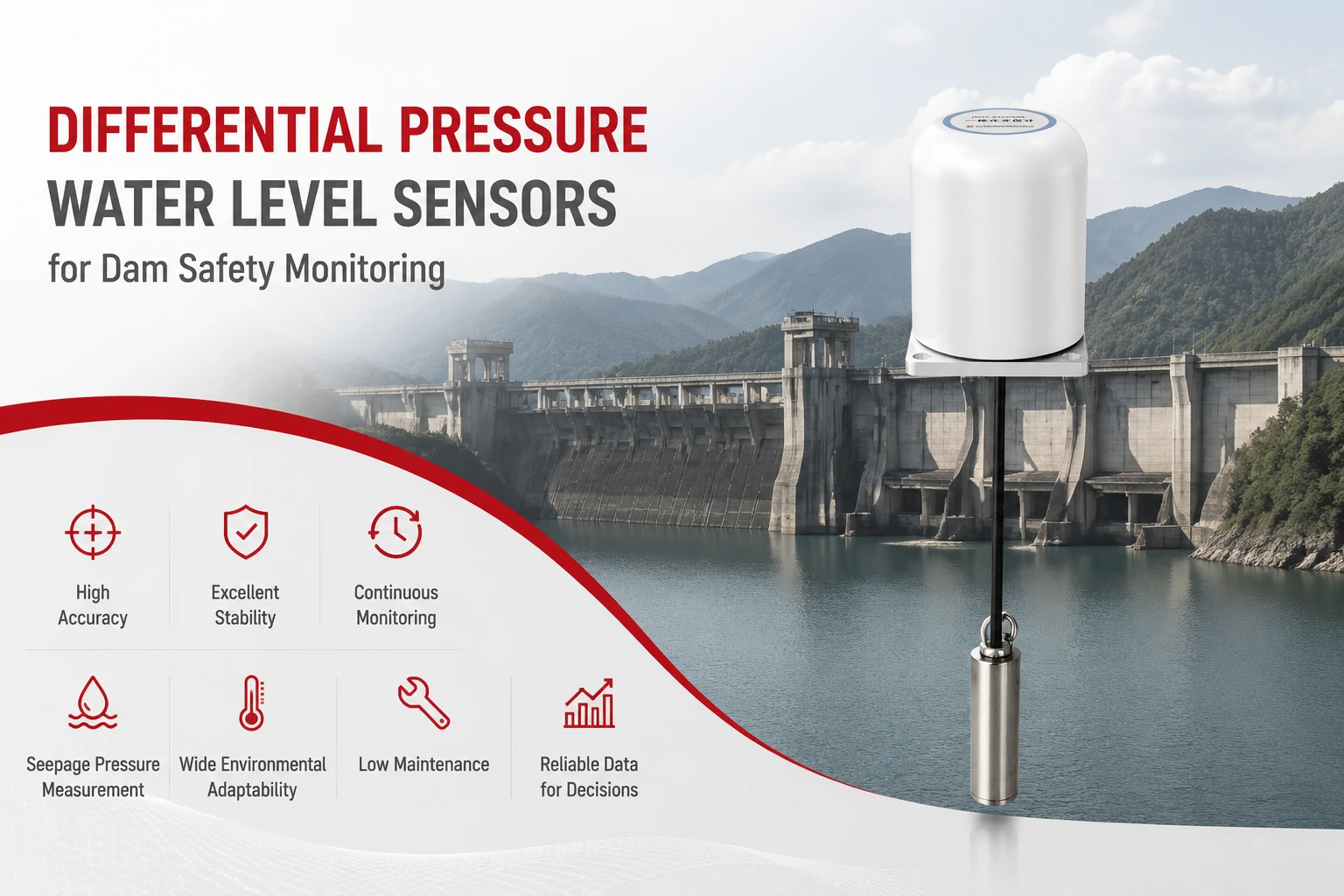
Key Takeaways The strongest fit is usually a confined, submerged, or s...
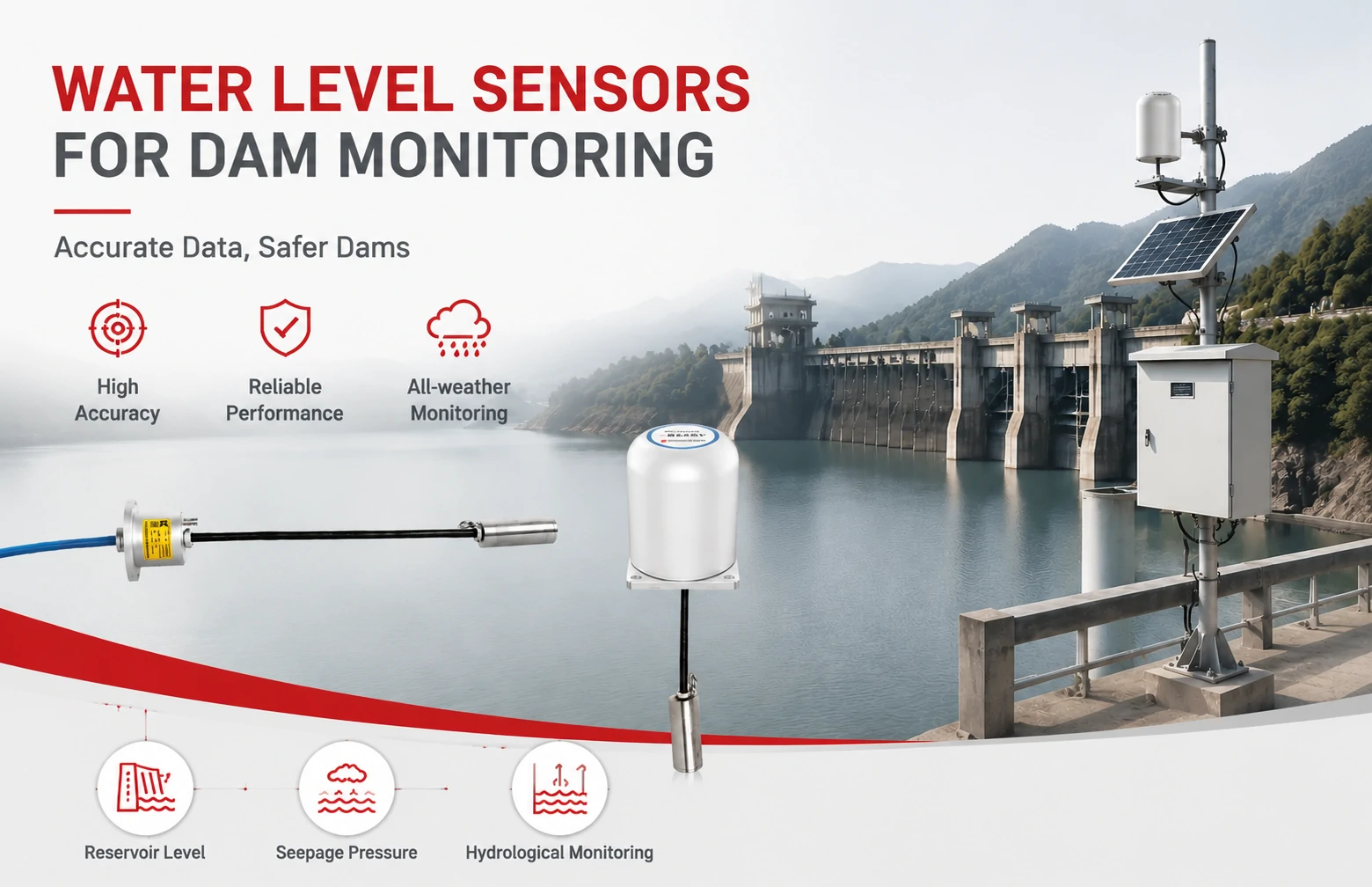
Kingmach Water Level Sensors for Dam Monitoring: A Buyer's Guide to Differential Pre...
Products
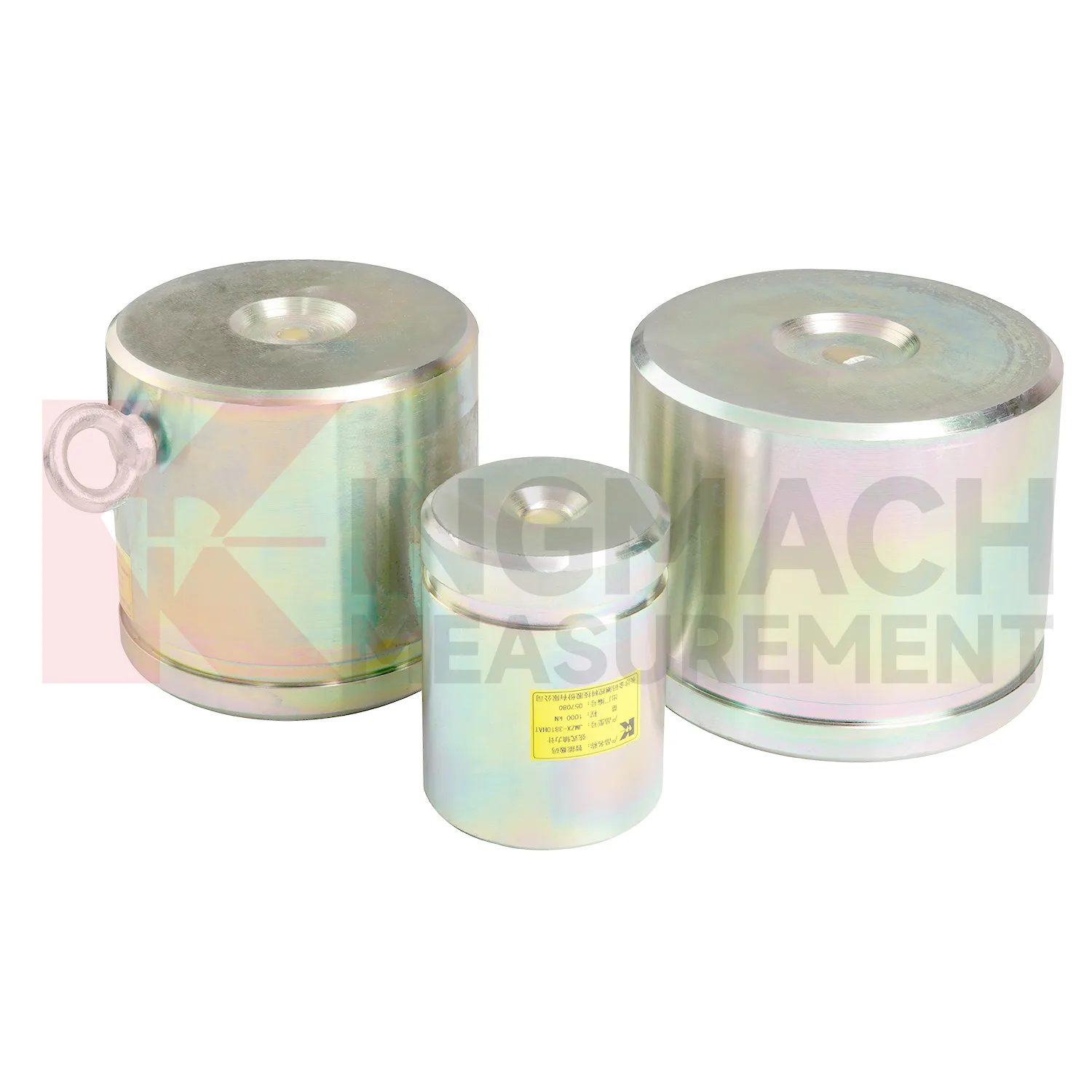
Axial Force Load Meter ( VW & Smart Type)JMZX-38XXHAT
View Details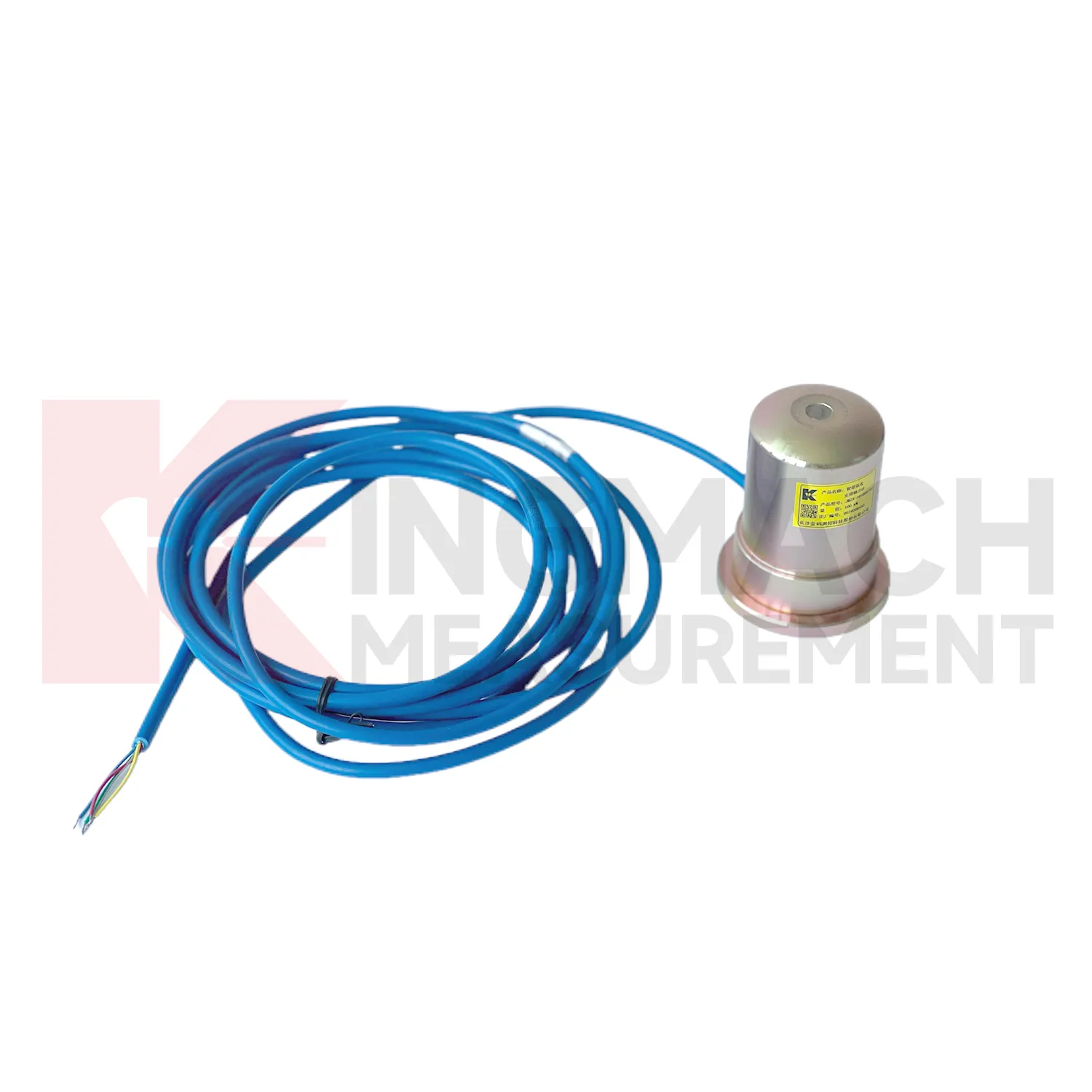
Smart Formwork Axial Force Meter(VW)JMZX-39XXHAT
View Details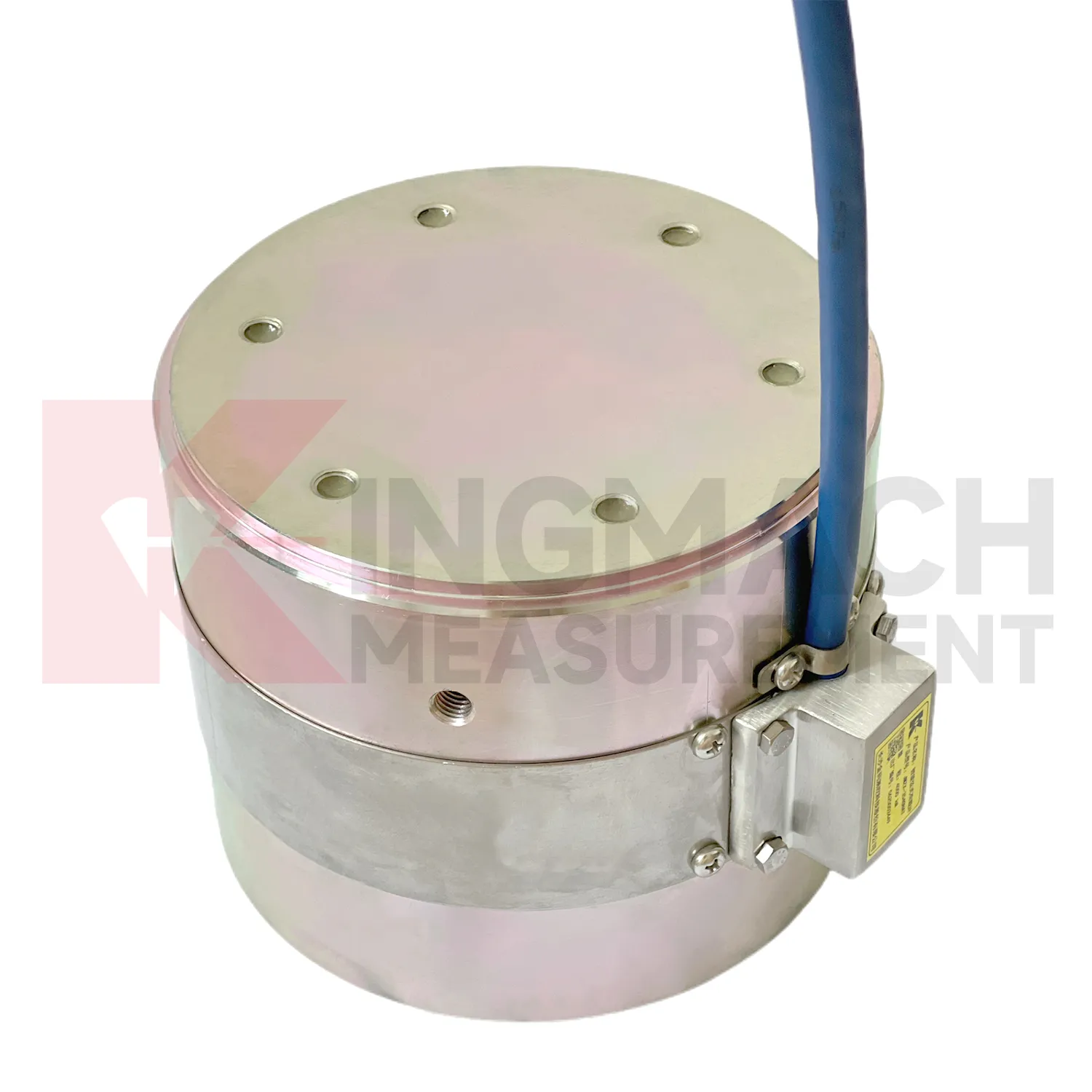
Solid load cell JMZX-34XXHAT、35XXHAT、36XXHAT
View DetailsFAQ
A standpipe well typically has a single filter zone at the bottom connected to a riser pipe open to the atmosphere, and you measure the water level directly. A Casagrande well—often built into the same borehole—uses a bentonite seal and sometimes a grout plug to isolate a specific layer more positively. Kingmach manufactures both styles and the choice usually hinges on whether the strata are uniform enough for a simple standpipe or layered enough to require zone isolation.
It matches the dominant particle size in the layer you plan to monitor. If your geotech lab has reported a D50 grain size, the filter opening should be roughly 10–20% smaller than that. For silty sands you might need a 40‑micron slot, while coarse sands may work with a 100‑micron opening. Kingmach keeps four common slot sizes in stock and can arrange for custom mesh if your borehole logs show an unusual gradation curve.
Angled installations are possible and fairly common in dam abutments or landslide monitoring. The filter section and riser still function as designed, but you’ll need to specify the angle during ordering so the seal assembly and centering spiders are configured correctly. Standard wells come arranged for vertical holes; any deviation from plumb requires a quick engineering check, but it’s not a special order problem formost angles up to about 30 degrees.
Most sites just need a periodic check that the surface cap is still watertight and the protection post hasn’t been struck by equipment. If readings start to look sluggish—meaning the water level doesn’t recover quickly after sampling—it may indicate silt accumulation on the filter. Gentle surging or flushing with clean water can restore the filter’s permeability in many cases. Kingmach supplies a simple flushing kit for the riser diameter you have, and you can do it with a hand pump or small compressor if the depth allows.
Yes. Many contractors ask for the well plus a vented pressure transducer and a small automatic datalogger so they can leave the site and gather hourly readings remotely. Kingmach can pre‑assemble the transducer on a hanger cable with the correct desiccant chamber, and the logger enclosure fits right onto the top of the standpipe. The logger comes pre‑programmed to your required sampling interval, though you will still need to visit the site to download data or add a telemetry module on your end.
Share your product type, target capacity, and application requirements. Our team can review the details and recommend a practical next step.
If you are interested in our products or want to become our partner.
Please leave your contact information, our team will contact you as soon as possible.
Mail: [email protected]
Contact Us: +8613808434127
Address: No. 188 Tongzipo West Rd, Changsha, Hunan, China