
 EN
EN
 ar
ar bg
bg hr
hr cs
cs da
da nl
nl fi
fi fr
fr de
de el
el hi
hi it
it ko
ko no
no pl
pl pt
pt ro
ro ru
ru es
es sv
sv tl
tl iw
iw id
id lv
lv lt
lt sr
sr sk
sk sl
sl uk
uk vi
vi et
et hu
hu th
th tr
tr fa
fa ms
ms hy
hy ka
ka ur
ur bn
bn mn
mn ta
ta kk
kk uz
uz ku
ku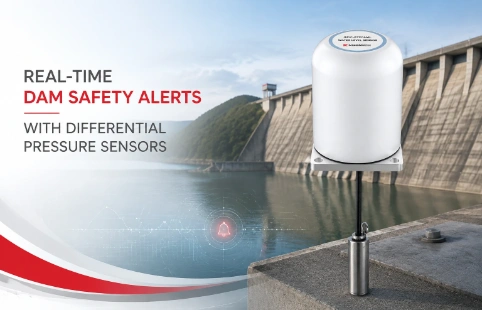
Real-Time Dam Safety Alerts with Differential Pressure Water Level Sensors
Key Takeaways An alert chain needs more than a sensor: define field in...

Rosette Strain Gauges for Geotechnical Monitoring
When a tunnel lining starts showing cracks, engineers usually reach for rosette strain gauges to figure out what’s going on in the concrete. Unlike a single-axis gauge that only tells you strain in one direction, a rosette captures it in three directions at once—typically 0°, 45°, and 90°—so you can calculate the principal stresses and their angles. Kingmach manufactures these gauges for exactly that kind of work. Our customers often mount them on steel ribs, shotcrete, or rock bolts inside tunnels and mines. The gauges come in standard configurations, but we regularly tweak grid lengths, resistance values, or lead wire setups when a project calls for it. We also match them with our own dataloggers so readings stay consistent from installation to report. If you’ve wrestled with adhesive selection or lead wire routing in damp environments, you’ll appreciate that we include application notes with every batch. It’s the kind of detail that comes from building geotechnical instruments for over a decade.
Technical Detail
A rosette strain gauge packs three measuring elements onto one backing, most often arranged in a rectangular or delta pattern. The typical 0°/45°/90° setup gives you enough data to resolve the full strain tensor on a surface, which is what you need for residual stress analysis or monitoring around an excavated opening. Kingmach builds these gauges with constantan foil on a polymide carrier—a combination that holds up in the humidity and temperature swings common underground. Our standard offering covers resistances from 120 Ω to 350 Ω and grid lengths between 3 mm and 10 mm, though we’ve done short runs outside those ranges for customers dealing with aggregate-size concrete or thin-walled steel. Each gauge ships with a calibration certificate that ties back to the lot number, so QA teams can trace performance later. We also pair the gauges with junction boxes and terminal strips that simplify field wiring, especially when you have a dozen or more gauges on a single section. The point is to make strain measurement practical in the middle of a construction sequence, not just in a lab. If you’re comparing options from different suppliers, ask about the temperature compensation range and how the gauge factor holds across it—those two parameters cause the most field headaches. Kingmach includes that data in the spec sheet, and we can also provide the raw foil lot data if your analysis software can use it. On the support side, we offer remote assistance for wiring checks and quarterly recalibration through our partners, though most users find the gauges stable for years once installed correctly.
News
Key Takeaways An alert chain needs more than a sensor: define field in...
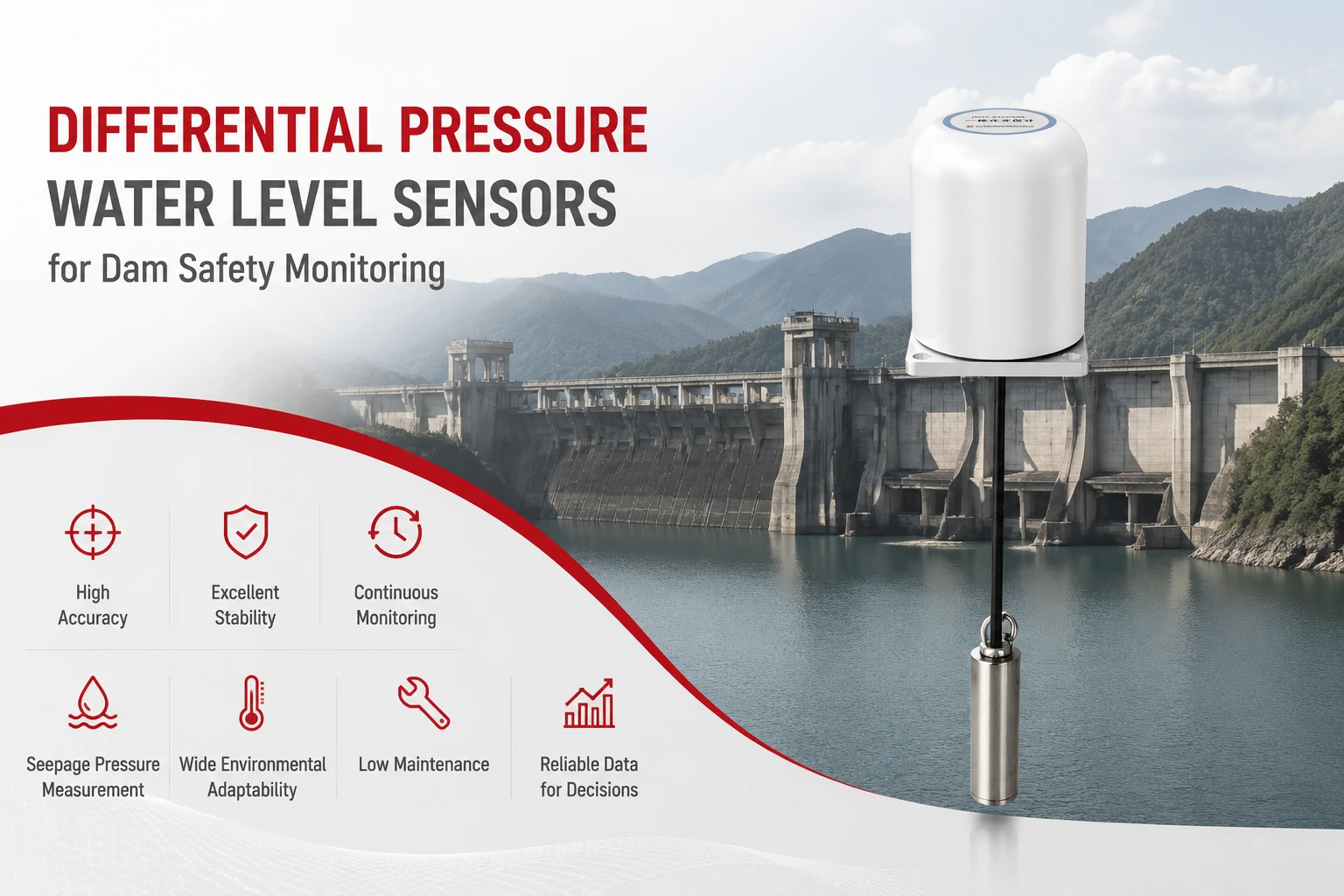
Key Takeaways The strongest fit is usually a confined, submerged, or s...
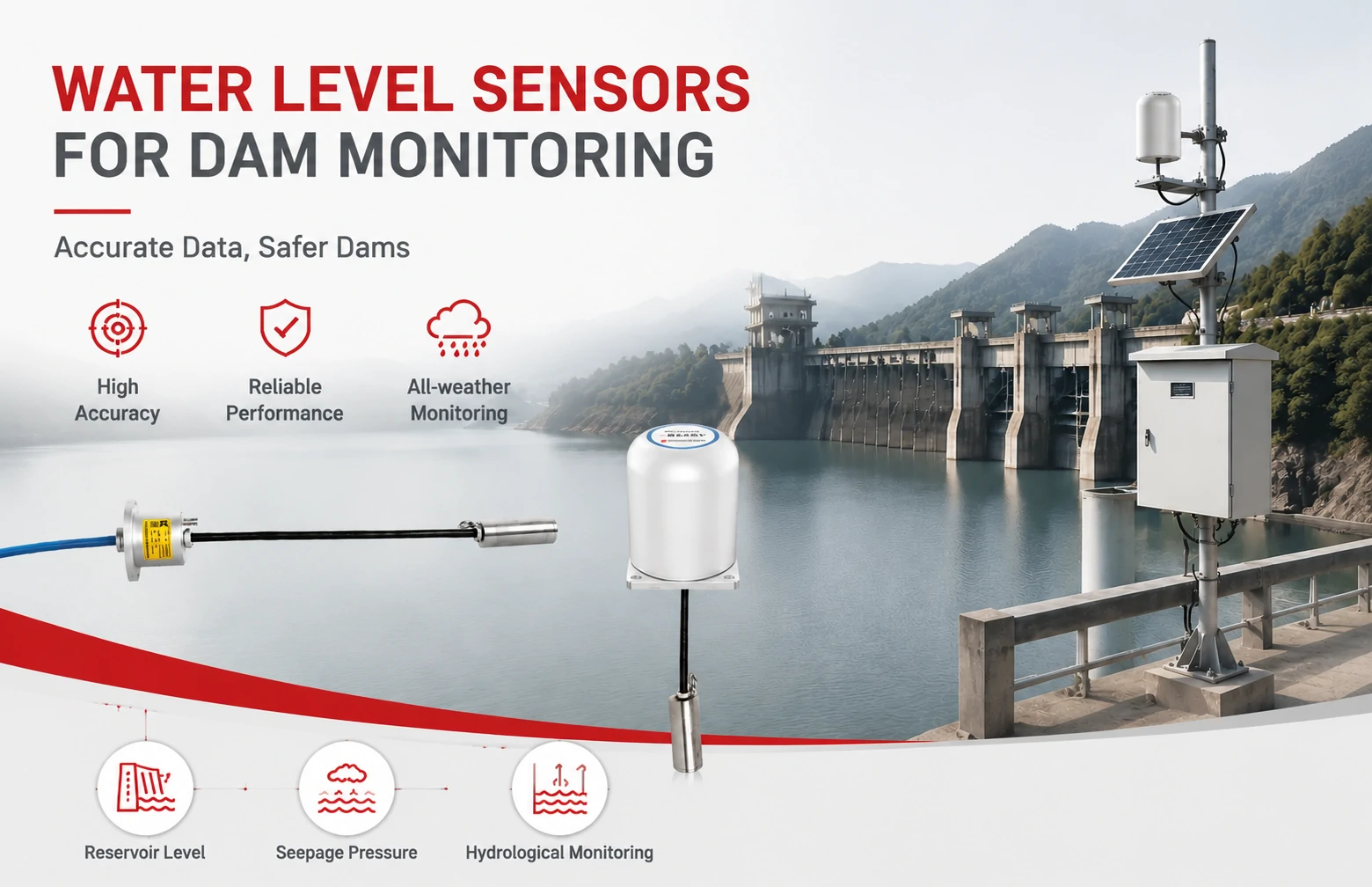
Kingmach Water Level Sensors for Dam Monitoring: A Buyer's Guide to Differential Pre...
Products
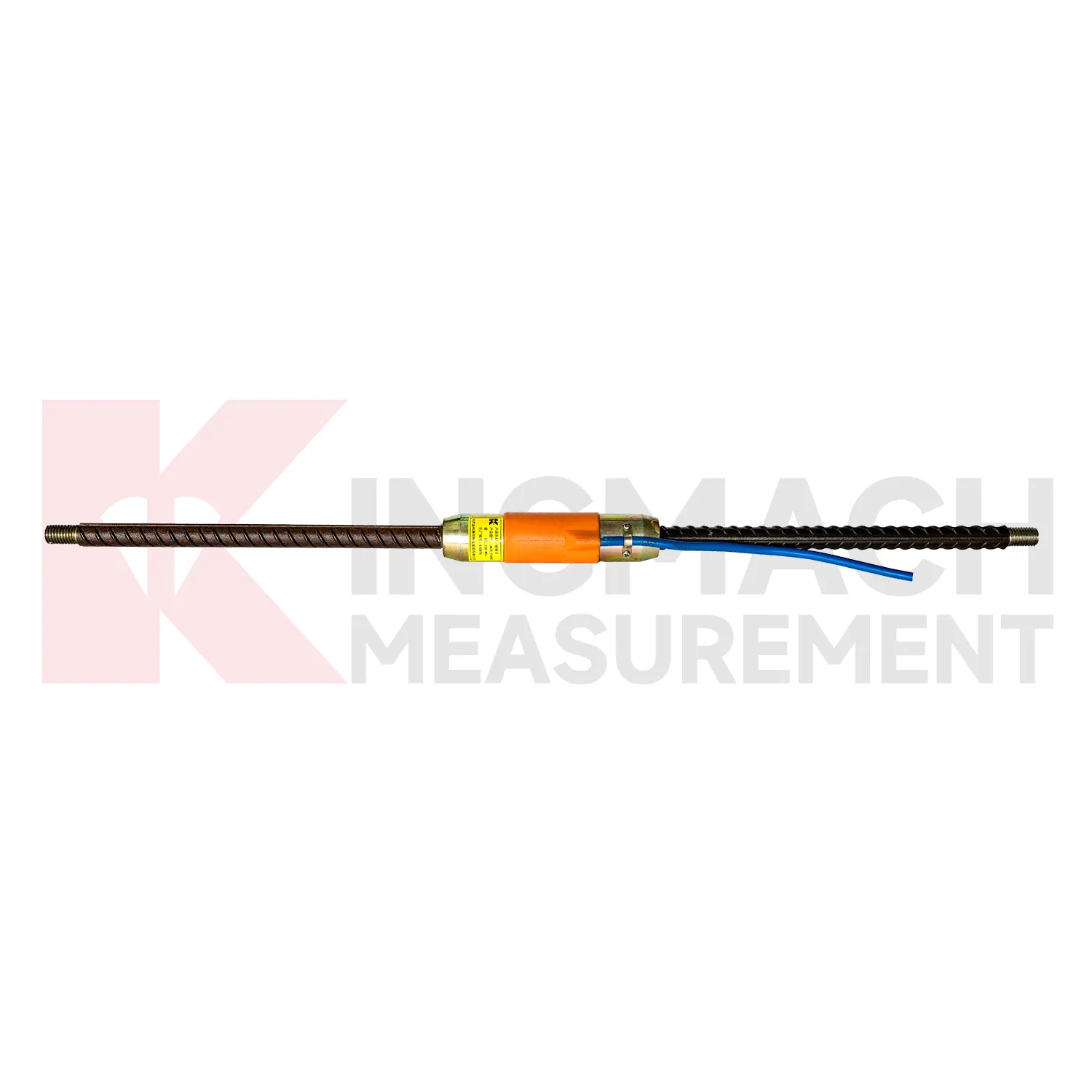
Rebar Strainmeters ( VW & Smart Type) JMZX-4XXHAT/HB
View Details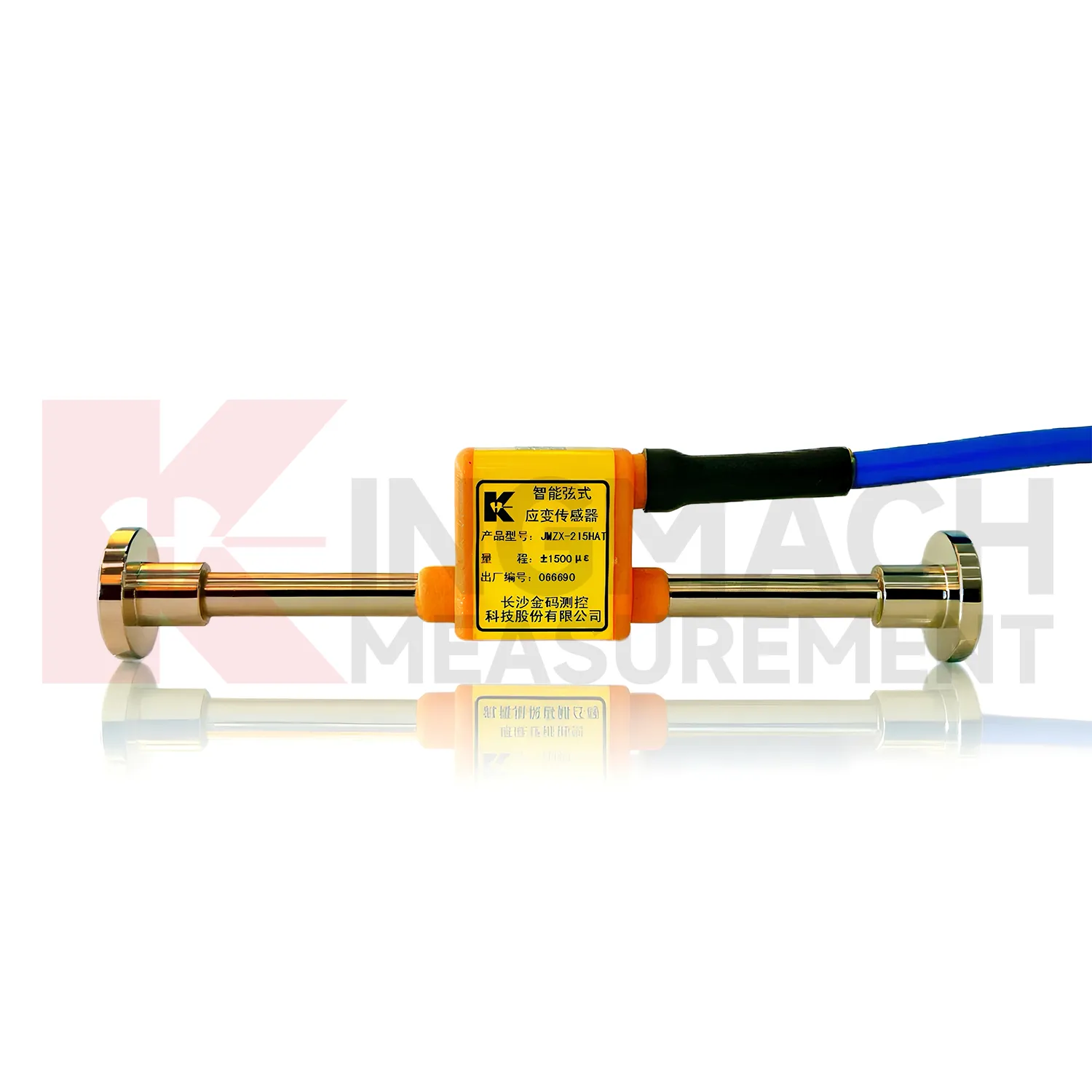
Smart vibrating wire strain gauge (embedment model) JMZX-215HA/215HAT/HB
View Details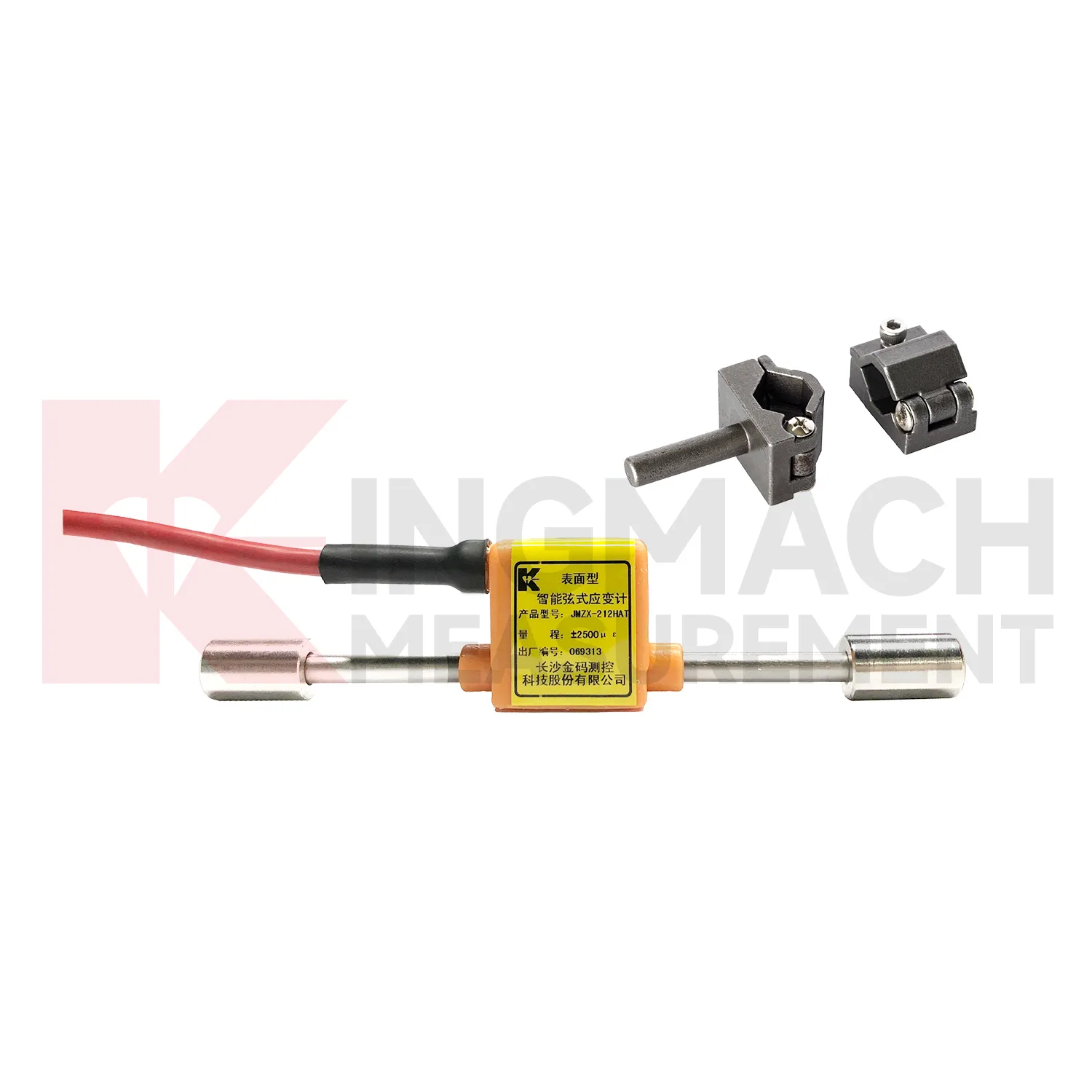
Smart vibrating wire strain gauge (surface model) JMZX-212HAT/HB
View DetailsFAQ
A single-axis gauge measures strain in one direction. A rosette combines three sensing elements on the same carrier, oriented at known angles (often 0°, 45°, 90°). That lets you calculate the principal strains and their directions—information you lose with a single gauge. In geotechnical work, this matters when lining stress or rock bolt loads aren’t aligned with obvious tunnel axes.
It depends on the surface porosity and moisture. For dry concrete, cyanoacrylate adhesives bond well and cure fast. If the surface is damp or you expect thermal cycling, two-part epoxy gives better long-term stability. Kingmach includes a general adhesive guide with each shipment, but we recommend testing a sample on your actual concrete mix before production installation.
Yes. Standard resistances are 120 Ω and 350 Ω, with grid lengths from 3 mm to 10 mm, but we’ve supplied shorter grids for small-scale lab specimens and longer ones for coarse-aggregate concrete. Customizations add a few weeks to lead time, so we typically ask customers to order early in the project.
Most three-element rosettes use a common shared lead for excitation, so you end up with six wires for a quarter-bridge setup per element, but exact wiring depends on the gauge circuit. Rosettes for full-bridge connections cut the wire count. Our junction boxes are pre-labeled and match our own dataloggers, so the manual walks you through it step by step—we also offer remote video calls if the diagram isn’t cooperating.
They’re designed for it. The polyimide carrier and constantan foil withstand years of humidity and temperature swings if protected from direct water flow. We’ve had gauges in a hydroelectric tunnel read stable for over six years. The bigger variable is usually cable protection and corrosion at the terminal strip; we recommend stainless steel terminal boxes for permanent installations.
Share your product type, target capacity, and application requirements. Our team can review the details and recommend a practical next step.
If you are interested in our products or want to become our partner.
Please leave your contact information, our team will contact you as soon as possible.
Mail: [email protected]
Contact Us: +8613808434127
Address: No. 188 Tongzipo West Rd, Changsha, Hunan, China