
 EN
EN
 ar
ar bg
bg hr
hr cs
cs da
da nl
nl fi
fi fr
fr de
de el
el hi
hi it
it ko
ko no
no pl
pl pt
pt ro
ro ru
ru es
es sv
sv tl
tl iw
iw id
id lv
lv lt
lt sr
sr sk
sk sl
sl uk
uk vi
vi et
et hu
hu th
th tr
tr fa
fa ms
ms hy
hy ka
ka ur
ur bn
bn mn
mn ta
ta kk
kk uz
uz ku
ku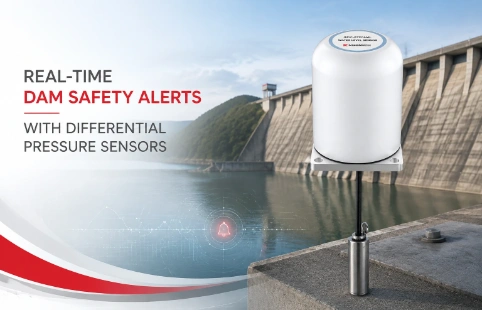
Real-Time Dam Safety Alerts with Differential Pressure Water Level Sensors
Key Takeaways An alert chain needs more than a sensor: define field in...

Vibrating Wire Load Cells: Stable Monitoring for Harsh Environments
Monitoring anchor forces, pile settlements or tunnel lining loads means burying a sensor that can’t be easily replaced. Vibrating wire load cells are built for that: they convert load into changes in a steel wire’s resonant frequency, giving a signal that travels kilometers without degradation and stays reliable in wet, hot or cold conditions. Kingmach supplies these sensors for such applications, covering standard ranges and offering custom designs for specific projects, with global technical support to help you get installations right and keep them running for the long term.
Technical Detail
A vibrating wire load cell works by tensioning a steel wire inside a load-bearing cylinder. When load compresses the cylinder, the wire tension changes, shifting its natural frequency. An electromagnetic coil plucks the wire and picks up the vibration, outputting a frequency that’s inherently immune to cable resistance and electrical noise. This makes it ideal for remote, long-term monitoring. Kingmach cells typically use a three- or four-wire configuration with a built-in thermistor for temperature compensation. The body is machined from stainless steel, with hermetic sealing commonly rated IP68, suitable for direct embedment in concrete or borehole installations. Standard ranges span from 200 kN to 5,000 kN, with typical accuracies around ±0.25% full scale. Because there are few moving parts, zero drift is minimal, often below 0.1% FS per year. These sensors show up in bridge bearing load checks, dam foundation stress monitoring, deep excavation strut forces, and pile load tests. Kingmach also handles custom ranges, dimensional requirements, and provides calibration reports, along with accessories like loading plates and cable junction boxes. For projects that demand low-maintenance, rugged load monitoring, the vibrating wire approach still holds its ground against newer technology.
News
Key Takeaways An alert chain needs more than a sensor: define field in...
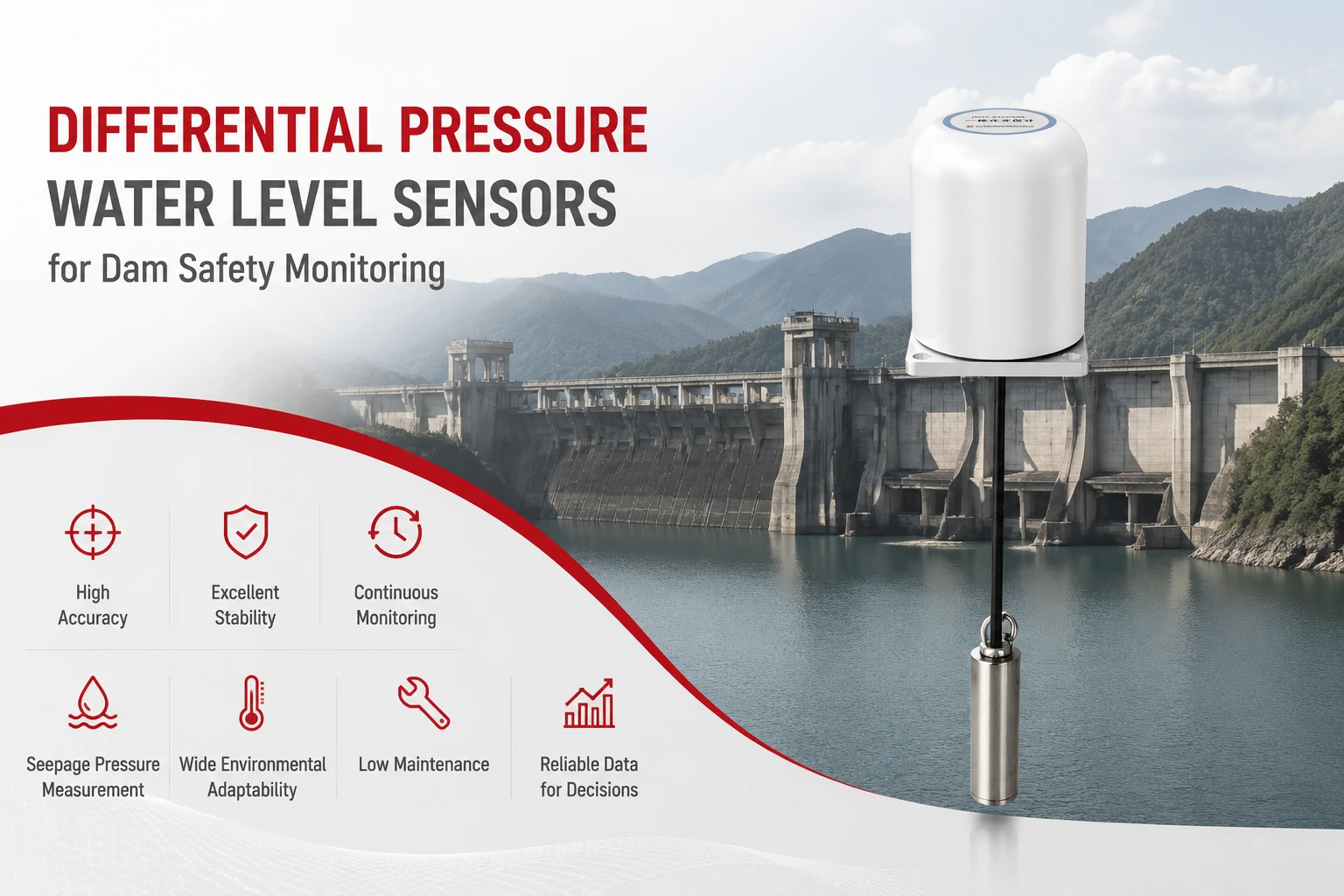
Key Takeaways The strongest fit is usually a confined, submerged, or s...
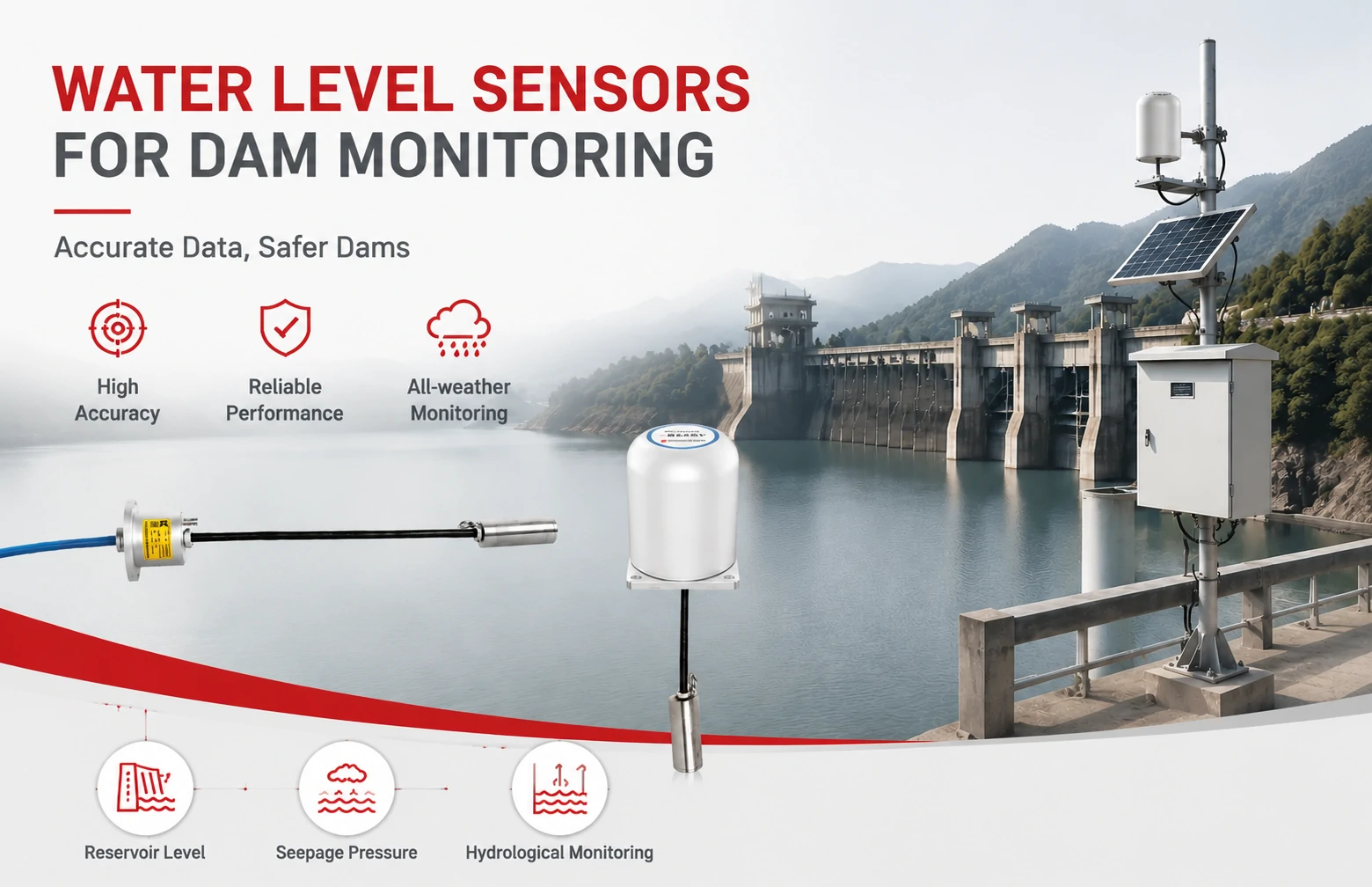
Kingmach Water Level Sensors for Dam Monitoring: A Buyer's Guide to Differential Pre...
Products
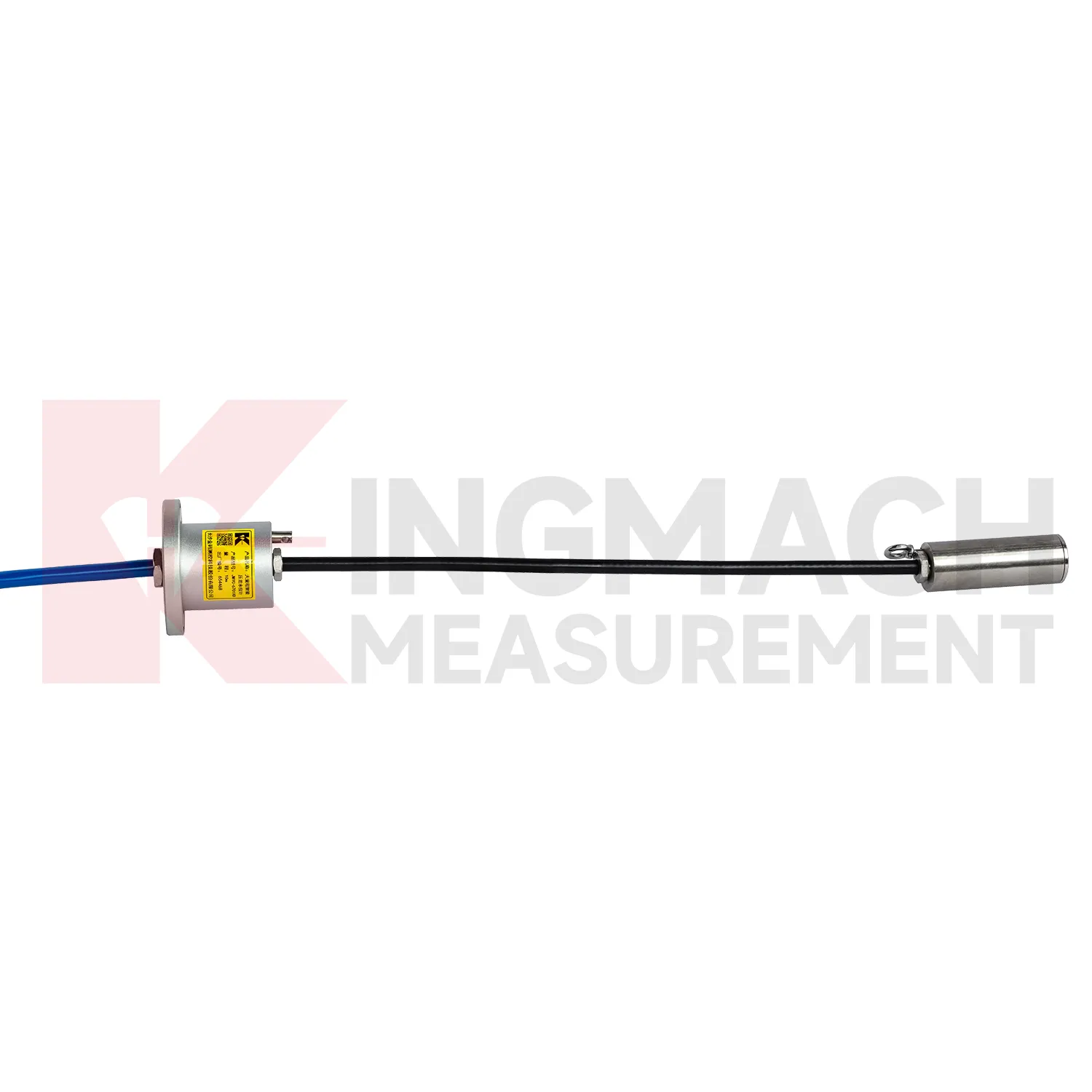
Wide-Range Smart Differential Pressure Water Level Meter JMYC-67XXAD
View Details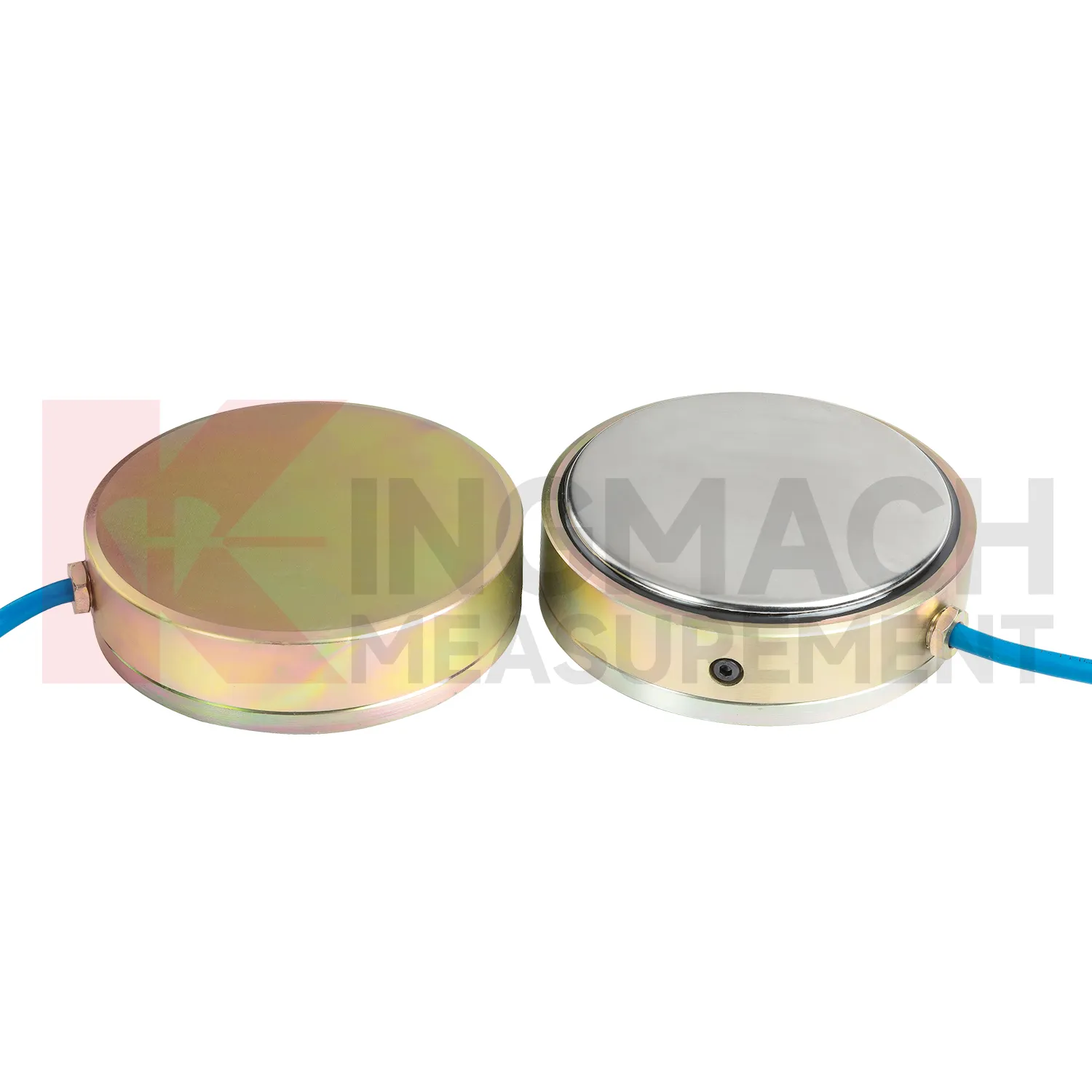
Earth Pressure Cell ( VW & Smart Type) JMZX-50XXAT/ ATM
View Details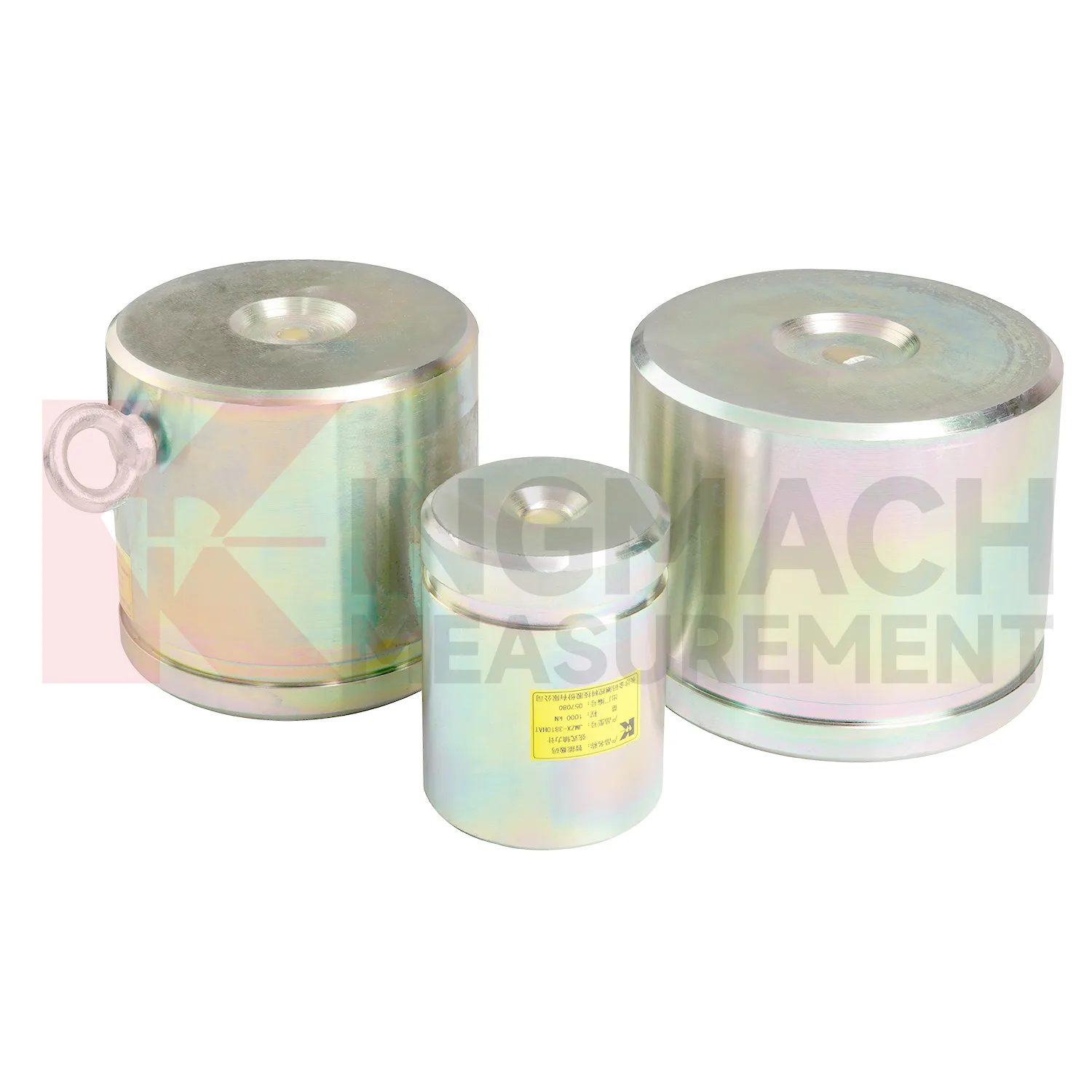
Axial Force Load Meter ( VW & Smart Type)JMZX-38XXHAT
View DetailsFAQ
It relies on tension changes in a high-strength steel wire. When load deforms the load-bearing element, the wire tension shifts, so does its resonant frequency. An electromagnetic coil plucks the wire and picks up the frequency, which is then converted to load using calibration constants. The principle is simple and delivers excellent long-term stability.
Yes, when specified with proper sealing. Most Kingmach vibrating wire load cells have IP68-rated stainless steel housings and epoxy-sealed cable entries, making them fine for submerged conditions like dam foundations or deep wells. Just confirm with our team that the cable length and connector options match the submersion depth.
A built-in thermistor measures the temperature, and correction coefficients are provided with the calibration sheet. The datalogger usually applies automatic compensation. The net thermal effect tends to be small because both the wire and the cell body expand, but compensation is still useful in environments with large temperature swings to keep accuracy within spec.
The load cell is placed between bearing plates at the pile top or embedded within the pile body during construction. Alignment must be precise to avoid eccentric loading. Cables are protected during concrete pouring. A dummy cell or witness sensor is sometimes used to check survivability. After curing, a baseline reading is taken before any test load is applied.
The output is a frequency, not a voltage or current. Frequency signals are far less sensitive to cable resistance changes and electromagnetic noise. With properly shielded cable, runs of several kilometers are feasible without signal loss, which is why vibrating wire sensors are preferred for remote dam or tunnel monitoring.
Share your product type, target capacity, and application requirements. Our team can review the details and recommend a practical next step.
If you are interested in our products or want to become our partner.
Please leave your contact information, our team will contact you as soon as possible.
Mail: [email protected]
Contact Us: +8613808434127
Address: No. 188 Tongzipo West Rd, Changsha, Hunan, China