
 EN
EN
 ar
ar bg
bg hr
hr cs
cs da
da nl
nl fi
fi fr
fr de
de el
el hi
hi it
it ko
ko no
no pl
pl pt
pt ro
ro ru
ru es
es sv
sv tl
tl iw
iw id
id lv
lv lt
lt sr
sr sk
sk sl
sl uk
uk vi
vi et
et hu
hu th
th tr
tr fa
fa ms
ms hy
hy ka
ka ur
ur bn
bn mn
mn ta
ta kk
kk uz
uz ku
ku
Crack Meter
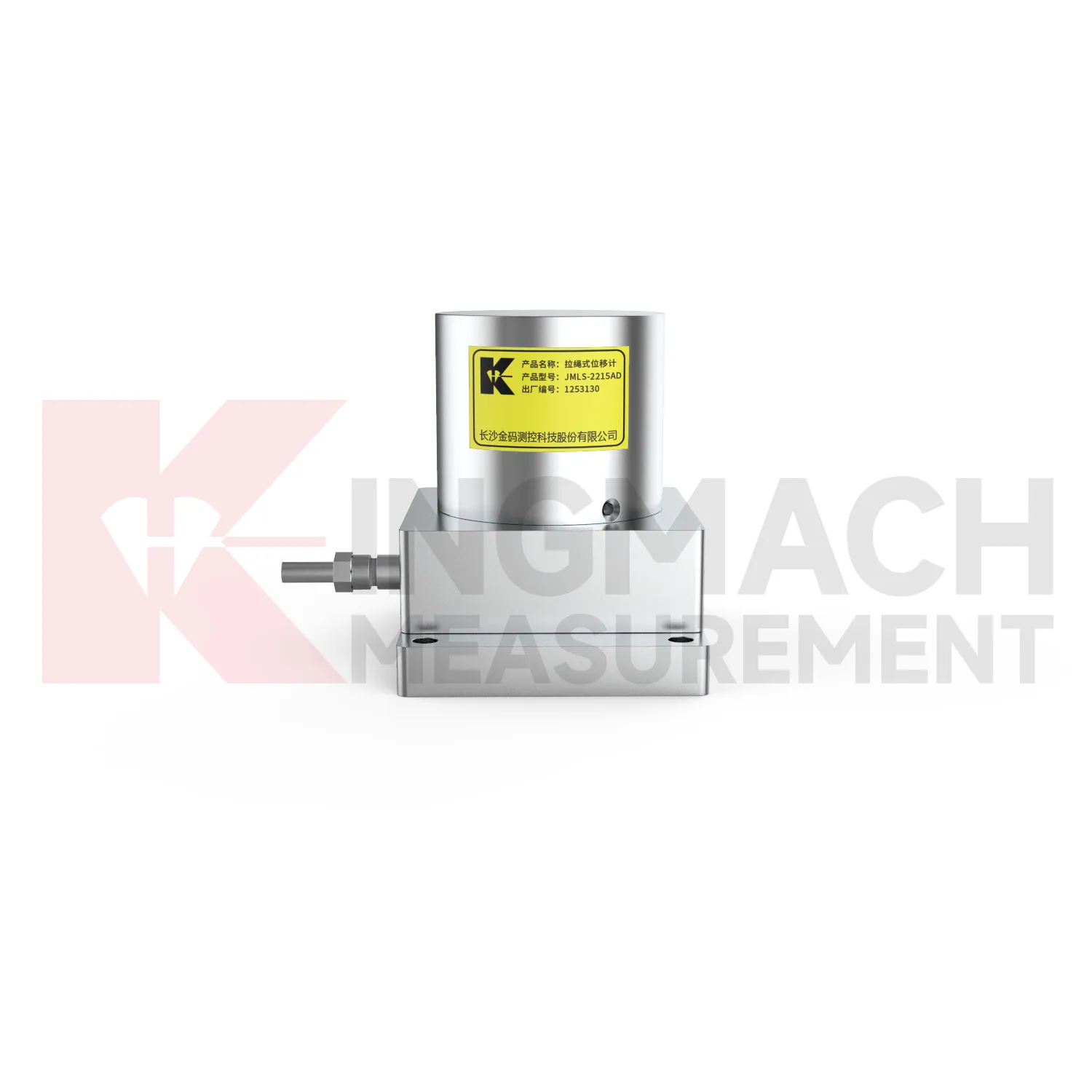
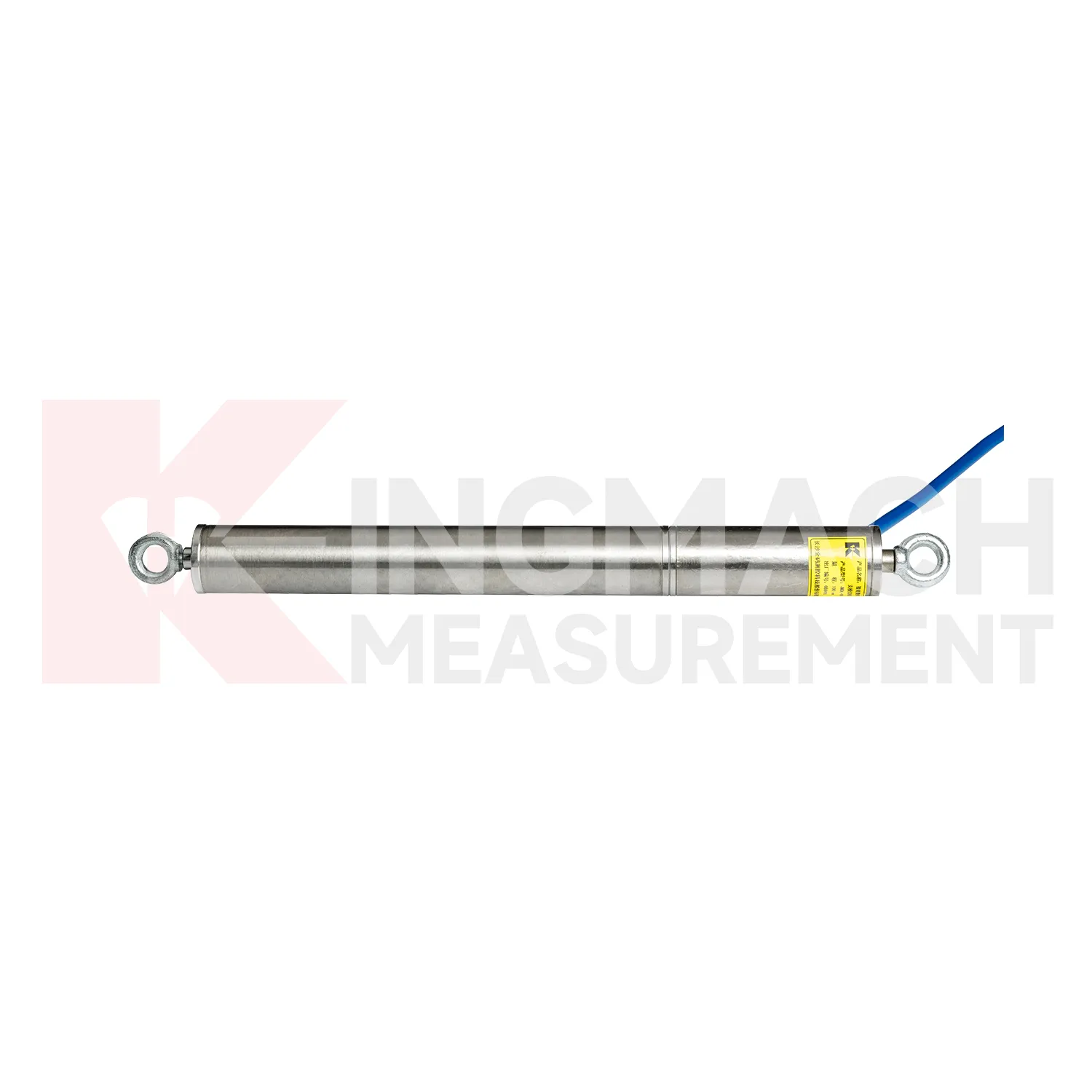
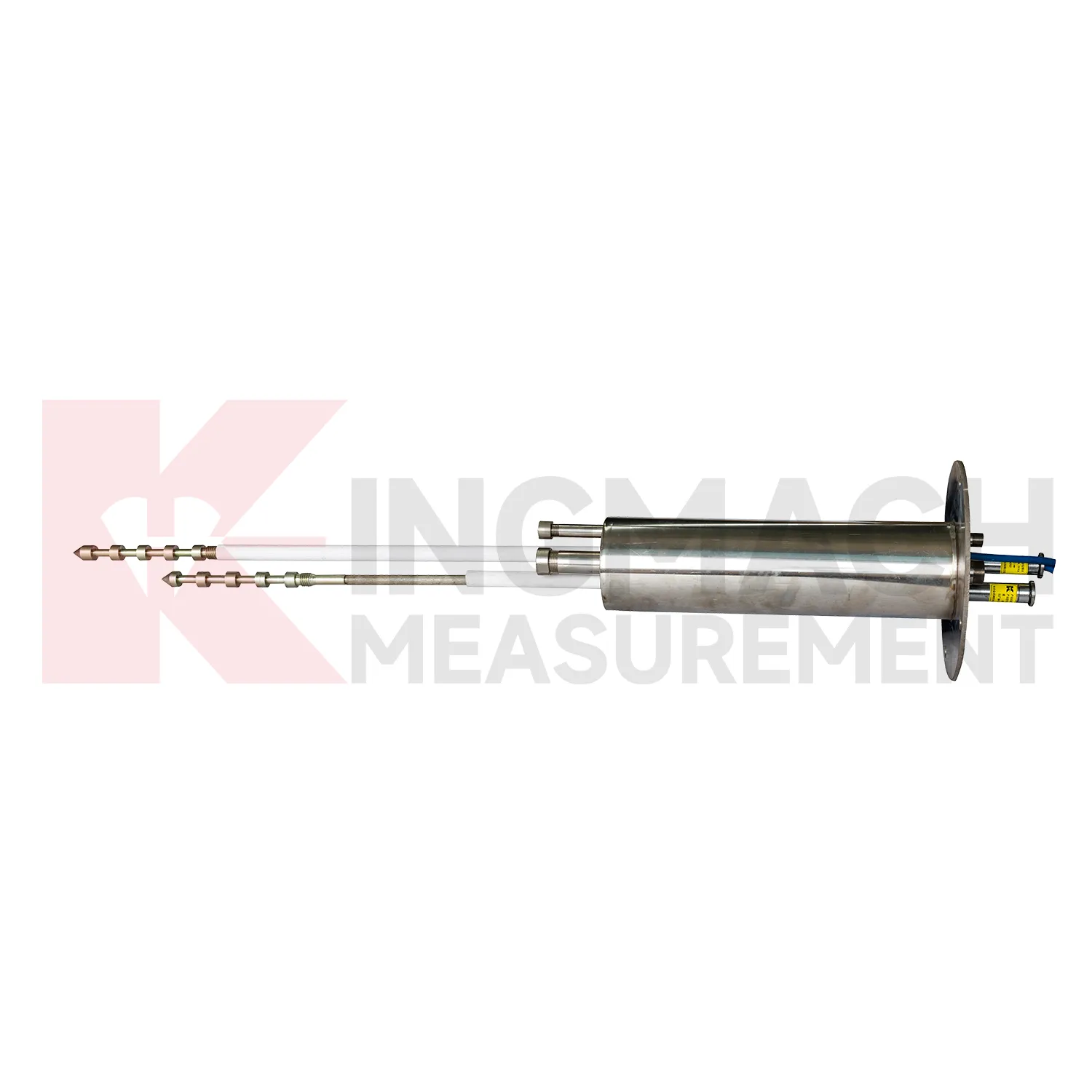
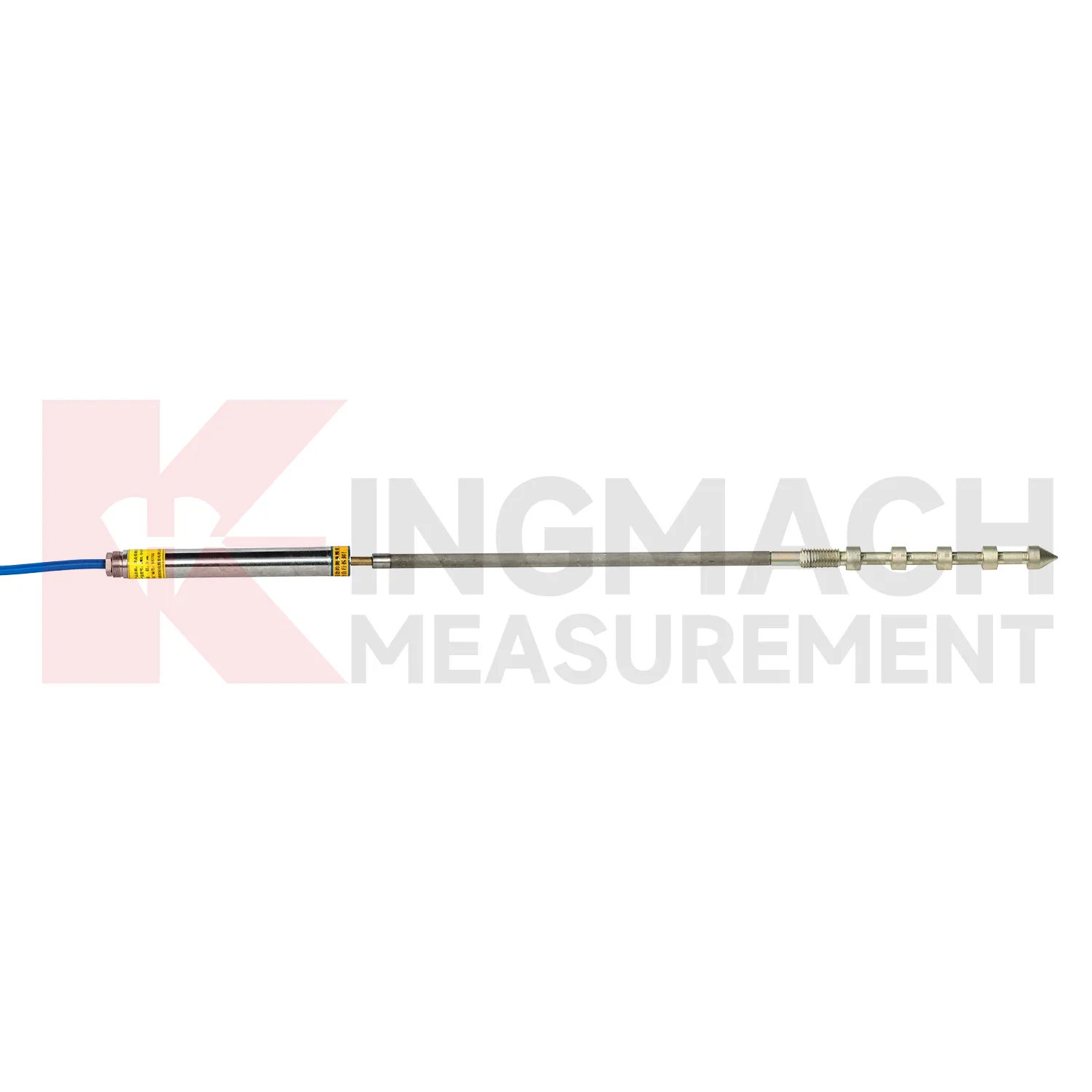
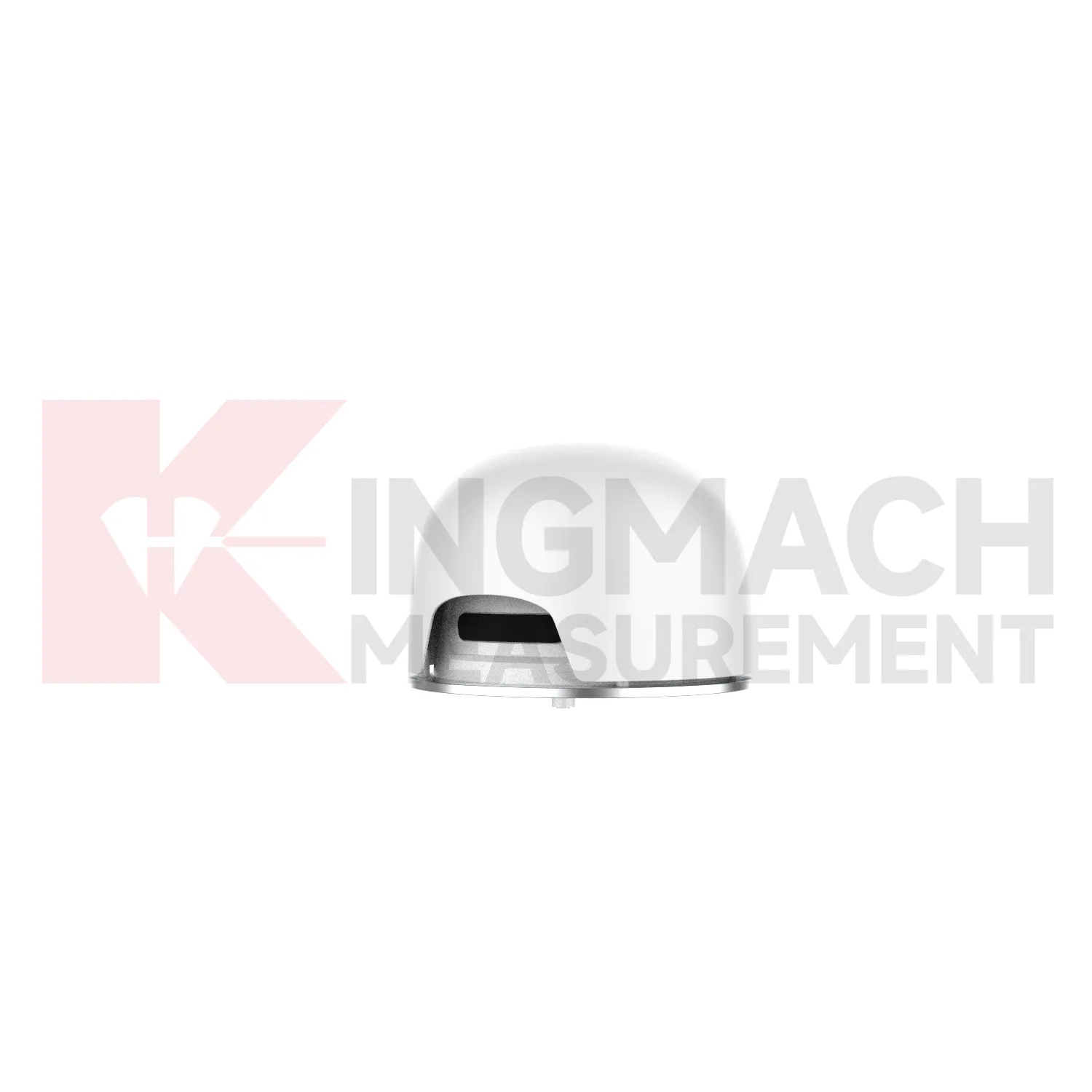
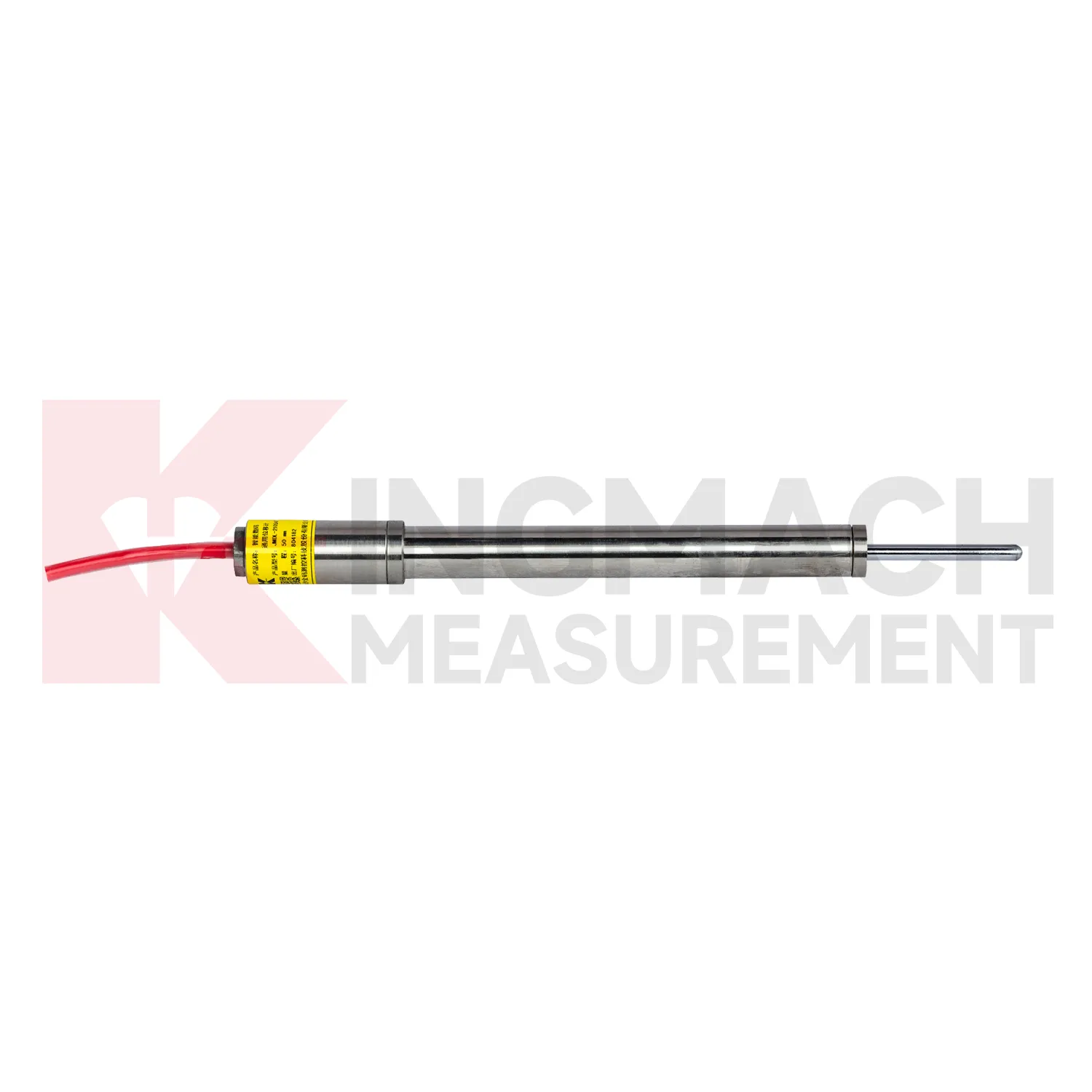
Kingmach Crack Meter cover a broad group of displacement measurement products for civil, geotechnical, hydropower, transportation, and industrial projects. The product category includes short-range crack gauges, general-purpose displacement meters, differential displacement meters, flexible geogrid meters, multipoint rock displacement meters, single-point bedrock meters, formwork displacement meters, wire rope sensors, magnetostrictive displacement meters, and GNSS displacement devices. This range matters because displacement measurement is not one mechanical condition. A bridge joint may need 20 mm to 100 mm differential monitoring, while a draw-wire application may require 500 mm to 2000 mm travel. Some projects need embedded anchoring and grouting, while others need surface brackets, universal bases, or a cable pulled between two points. Kingmach supports these different layouts with digital output, stored calibration data, waterproof structures, and automatic acquisition compatibility. The goal is to give engineers stable movement data that can be traced from sensor body to monitoring platform. During project setup, the measuring point should be matched with the expected travel direction, available mounting space, cable route, and required acquisition interval. This prevents a short-range joint instrument from being used on a long-travel point, or an exposed sensor from being placed where an embedded anchor is needed. It also helps the monitoring team set a baseline that can be defended during acceptance and later maintenance review.
Application of Crack Meter
In railway and highway subgrade monitoring, Crack Meter are used to observe geogrid deformation, embankment movement, track foundation displacement, culvert joint movement, and settlement-related structural shifts. The field problem is that deformation may occur inside reinforced soil or pile-net foundations where visual inspection cannot reach after backfilling. Kingmach JMDL-24XXAT flexible displacement meters are designed for geogrid materials in reinforced soil and pile-net subgrade foundations. The bendable measuring rod can deform with the geogrid, while both ends are clamped using mounting brackets. Listed ranges are 30 mm and 50 mm, with 0.01 mm sensitivity, 0.5%FS accuracy, 20-point curve fitting, and a designed service life up to 30 years. For larger movement, JMLS-22XXADT wire rope sensors and JMDL-49XXAT formwork or steel wire meters can support long-distance displacement monitoring. These readings help maintenance teams connect settlement, traffic load, rainfall, and construction records. During operation, the monitoring team should keep the baseline, temperature, inspection notes, and nearby sensor behavior in the same review file. This makes it easier to tell whether a movement trend comes from normal service, a repair event, changing load, water influence, or developing structural risk. Clear records also help owners decide when a field inspection is needed instead of waiting for visible damage.
The future of Crack Meter
Future Crack Meter will likely place more intelligence at the edge of the monitoring network. Instead of sending every reading to a platform without review, acquisition units can check whether a displacement jump is physically plausible, whether the temperature moved at the same time, and whether nearby channels changed in the same direction. Kingmach smart products already store measurement time, temperature for temperature versions, absolute displacement, relative displacement, and zero-point values on selected models. That local record can support early filtering and field diagnosis. For remote slopes, dams, subgrades, and tunnel portals, this matters because network access may be unstable and maintenance visits may be expensive. Edge checks can flag cable damage, zero drift, sudden water ingress, or installation movement before the data is accepted as structural deformation. The strongest systems will still depend on careful installation, because digital tools cannot correct a loose bracket, wrong range, or poorly recorded baseline. Clear reporting will make displacement monitoring more useful for non-specialist decision makers while preserving the detail engineers need.
Care & Maintenance of Crack Meter
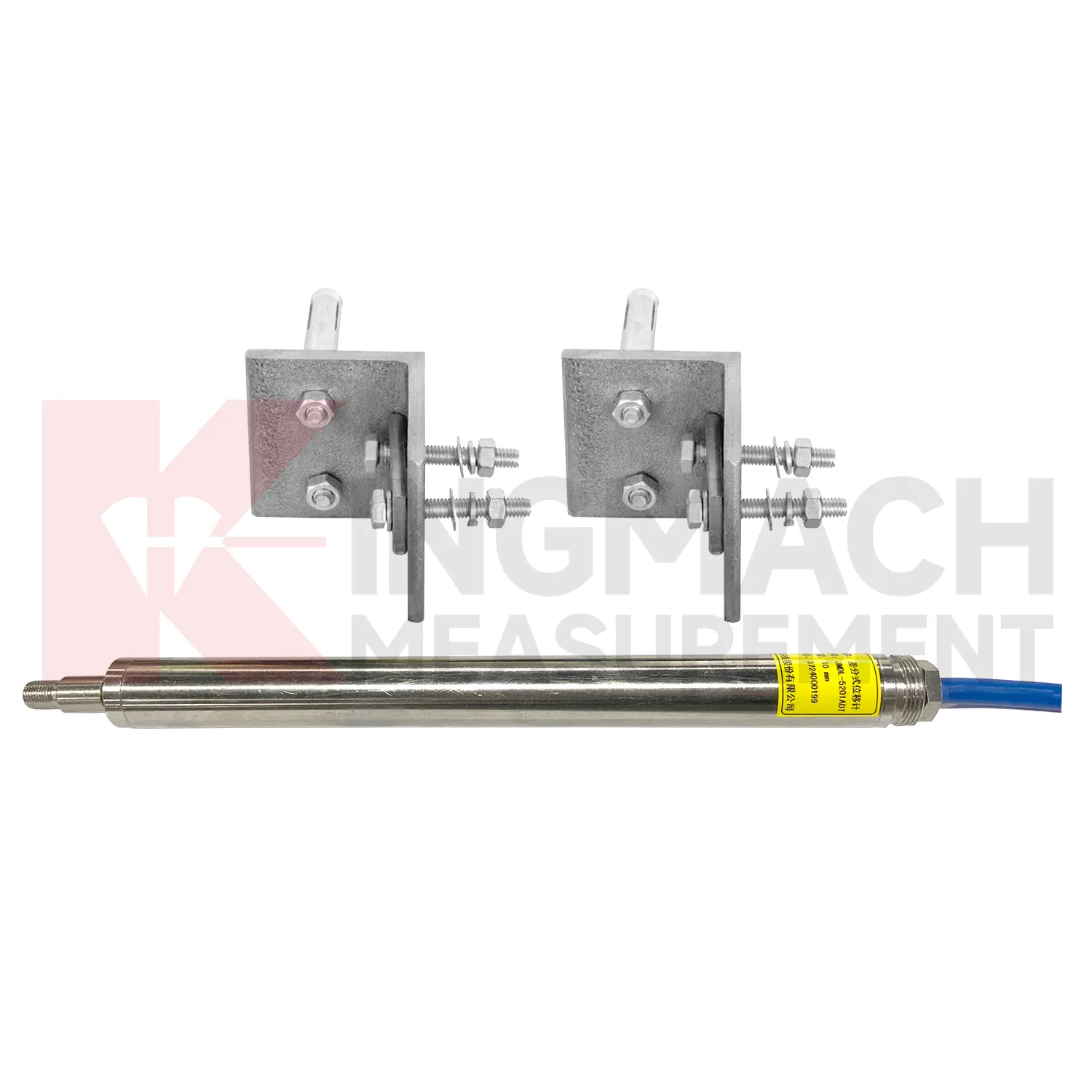
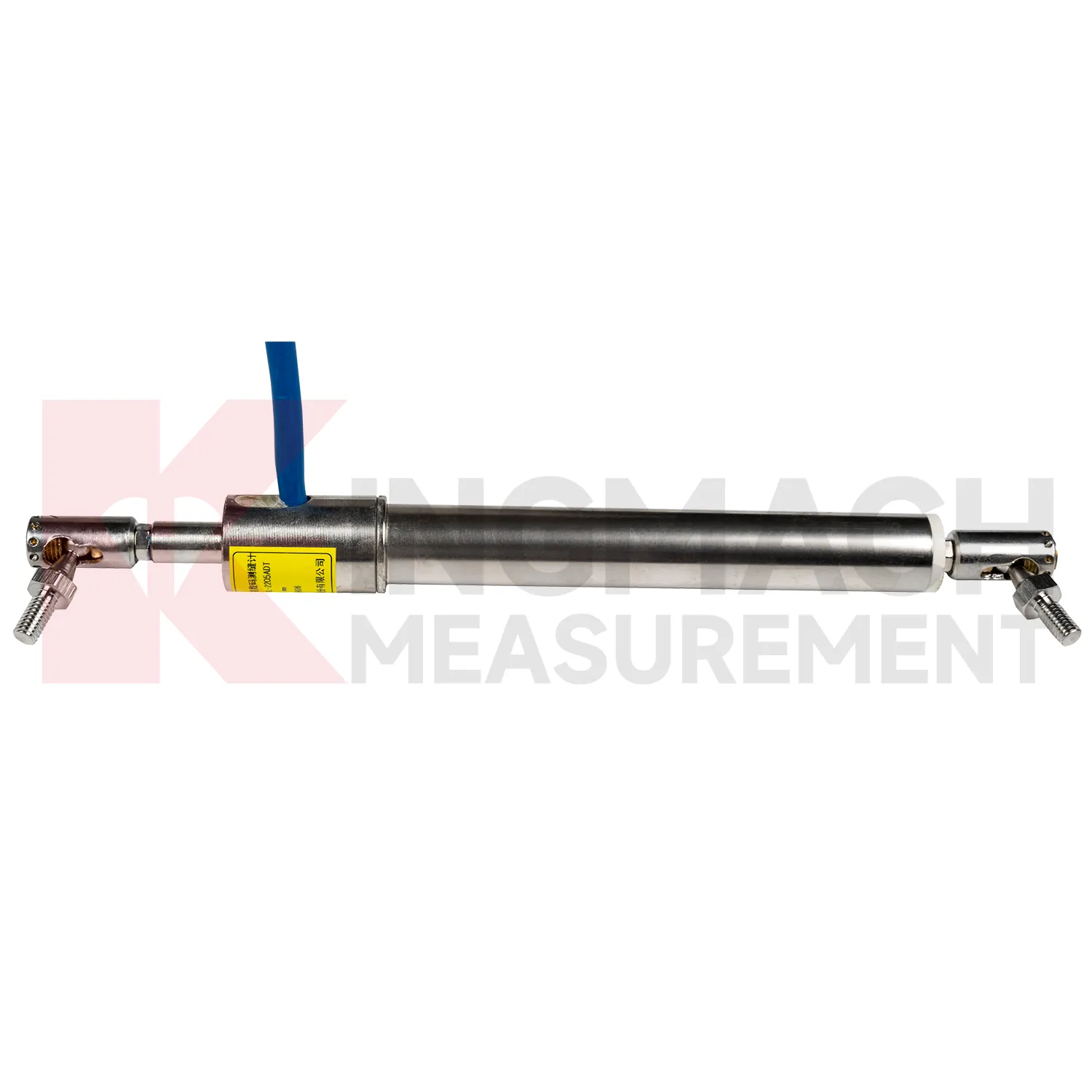
For differential Crack Meter, maintenance should preserve the geometry that makes high precision possible. Kingmach JMDL-52XXADT uses two coupled inductive coils to reduce environmental interference and thermal drift. The product lists 20 mm, 50 mm, and 100 mm ranges, 0.01 mm resolution, plus or minus 0.1%FS accuracy, RS485 output, low power consumption, and -40 degrees Celsius to +80 degrees Celsius operating temperature. During installation, align the measuring rod so it moves freely without side load or rubbing. Protect the device from impact at expansion joints and from water pooling around connectors. During service, compare readings across temperature cycles and confirm that movement returns as expected when the structure cools or unloads. A persistent offset may indicate structural change, bracket movement, or cable trouble. Keep yearly stability checks and calibration records with the monitoring database, not only in paper files. Keep the installation photo, point number, zero value, and expected movement direction with the commissioning record for later review. If a reading changes after maintenance work, inspect the base, anchor, cable, and cabinet before assuming the structure itself has moved.
Kingmach Crack Meter
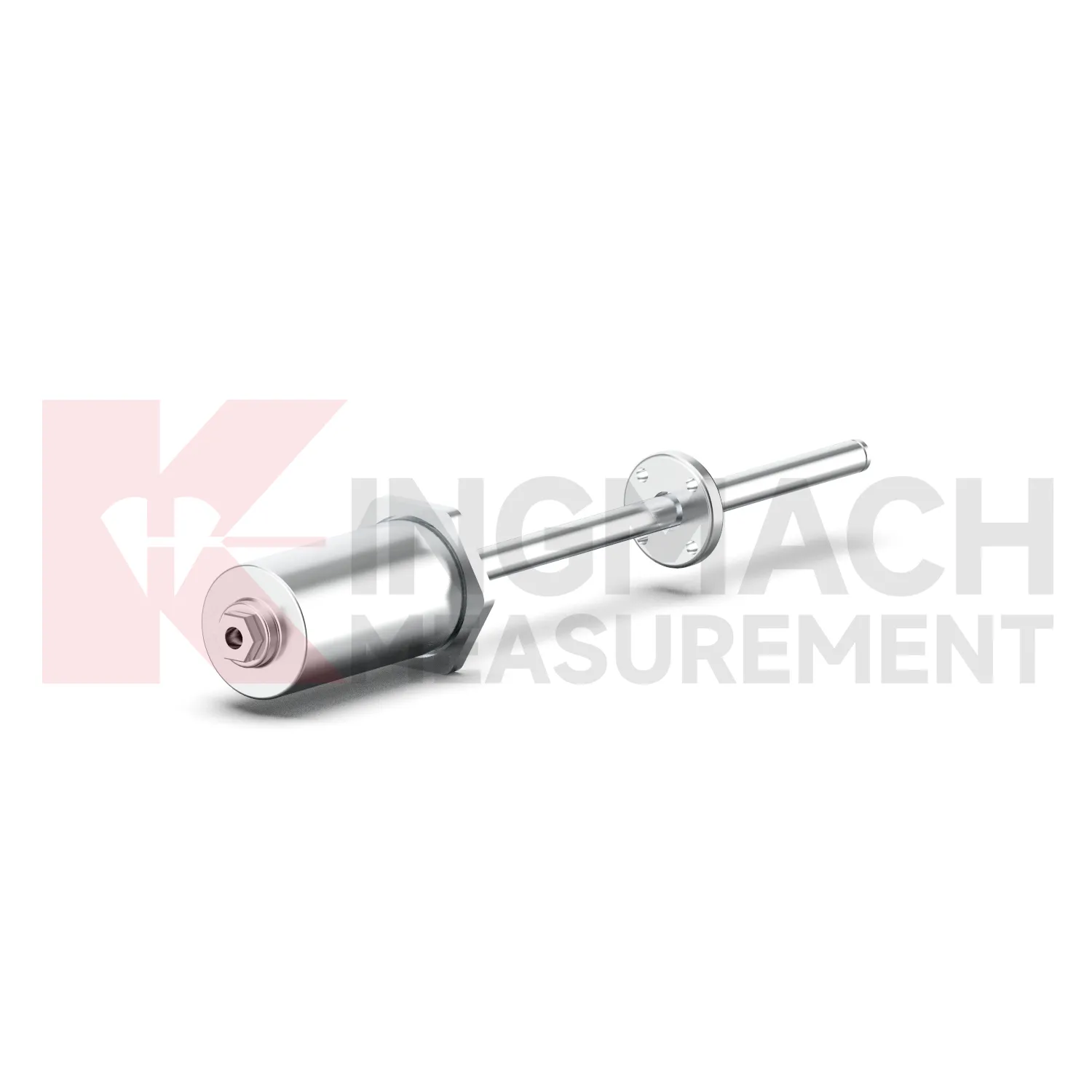
Crack Meter are especially useful when the movement path is known but the rate and timing are uncertain. Kingmach's differential displacement meter uses two coupled inductive coils so equal and opposite magnetic flux changes can reduce environmental interference and thermal drift. The magnetostrictive JMCW-21XXADT provides non-contact absolute displacement measurement over 0 to 1000 mm, with 0.01 mm resolution, plus RS485 communication and IP67 protection. The wire rope JMLS-22XXADT converts cable extension into digital data for long or curved movement paths. These different mechanisms let designers match the sensor to the physical path instead of forcing one format into every project. A short expansion joint, a hydraulic cylinder, a landslide monitoring line, and a tunnel clearance point may all be called displacement, but each one needs its own mounting, range, and data plan. The point should be named on the drawing, linked with its cable route, and checked against the expected movement direction before the first automatic reading is accepted. For daily review, the reading should be compared with nearby points, recent weather, site operations, and any loading event that could explain the movement.
FAQ
Q: Which Crack Meter handle long travel?
A: JMLS-22XXADT wire rope sensors cover 0 to 500 mm, 0 to 1000 mm, and 0 to 2000 mm ranges, while JMCW-21XXADT magnetostrictive meters cover 0 to 1000 mm absolute position measurement.
Q: What is the difference between wire rope and magnetostrictive types?
A: Wire rope sensors convert cable extension or retraction into displacement data, while magnetostrictive meters use non-contact sensing for absolute linear position.
Q: What protection ratings are listed?
A: Product information lists IP67 for the JMLS-22XXADT wire rope sensor and IP67 for the JMCW-21XXADT magnetostrictive meter.
Q: What communication is available?
A: Both products list RS485 communication, which supports digital connection to acquisition systems.
Q: Where are long-travel models used?
A: They are used in dam monitoring, geohazard prevention, machinery position, hydraulic cylinders, gate movement, tunnel clearances, and structural displacement between two points.
Reviews
Ryan Lewis
Fast delivery and excellent product quality. The accelerometers and tiltmeters are highly reliable. Strongly recommend this company.
Joshua Clark
We ordered a full monitoring solution including sensors and data loggers. Everything works seamlessly together. Great supplier!
Latest Inquiries
To protect the privacy of our buyers, only public service email domains like Gmail, Yahoo, and MSN will be displayed. Additionally, only a limited portion of the inquiry content will be shown.
Charlotte***@gmail.comUnited Arab Emirates
Hi, we require instrumentation cables suitable for harsh environments. Could you advise on specifica...
Isabella***@gmail.comGermany
Hello, we are evaluating weir flow meters for a water management project. Please share accuracy deta...