
 EN
 ar
 bg
 hr
 cs
 da
 nl
 fi
 fr
 de
 el
 hi
 it
 ko
 no
 pl
 pt
 ro
 ru
 es
 sv
 tl
 iw
 id
 lv
 lt
 sr
 sk
 sl
 uk
 vi
 et
 hu
 th
 tr
 fa
 ms
 hy
 ka
 ur
 bn
 mn
 ta
 kk
 uz
 ku

Wire Rope Displacement Sensor
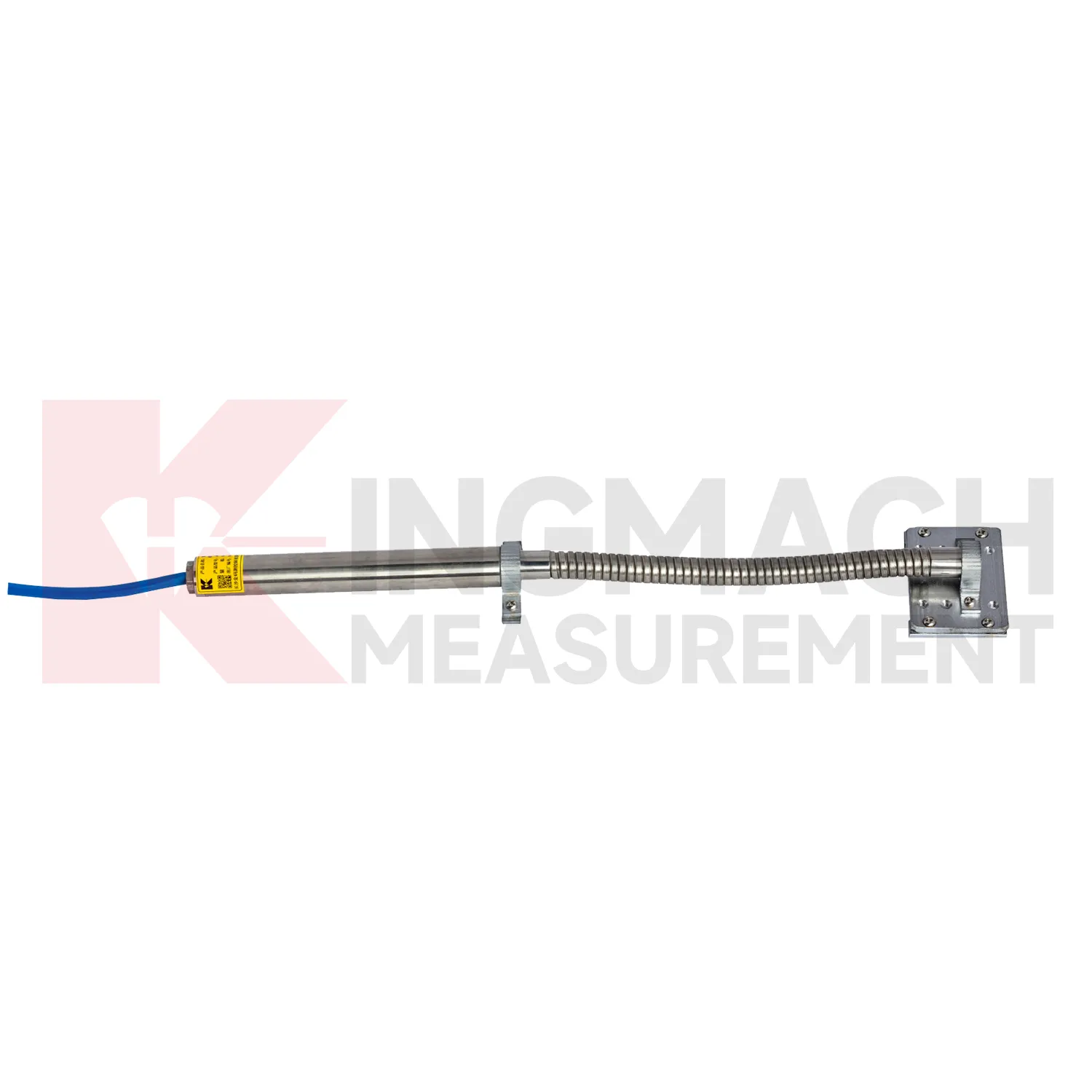
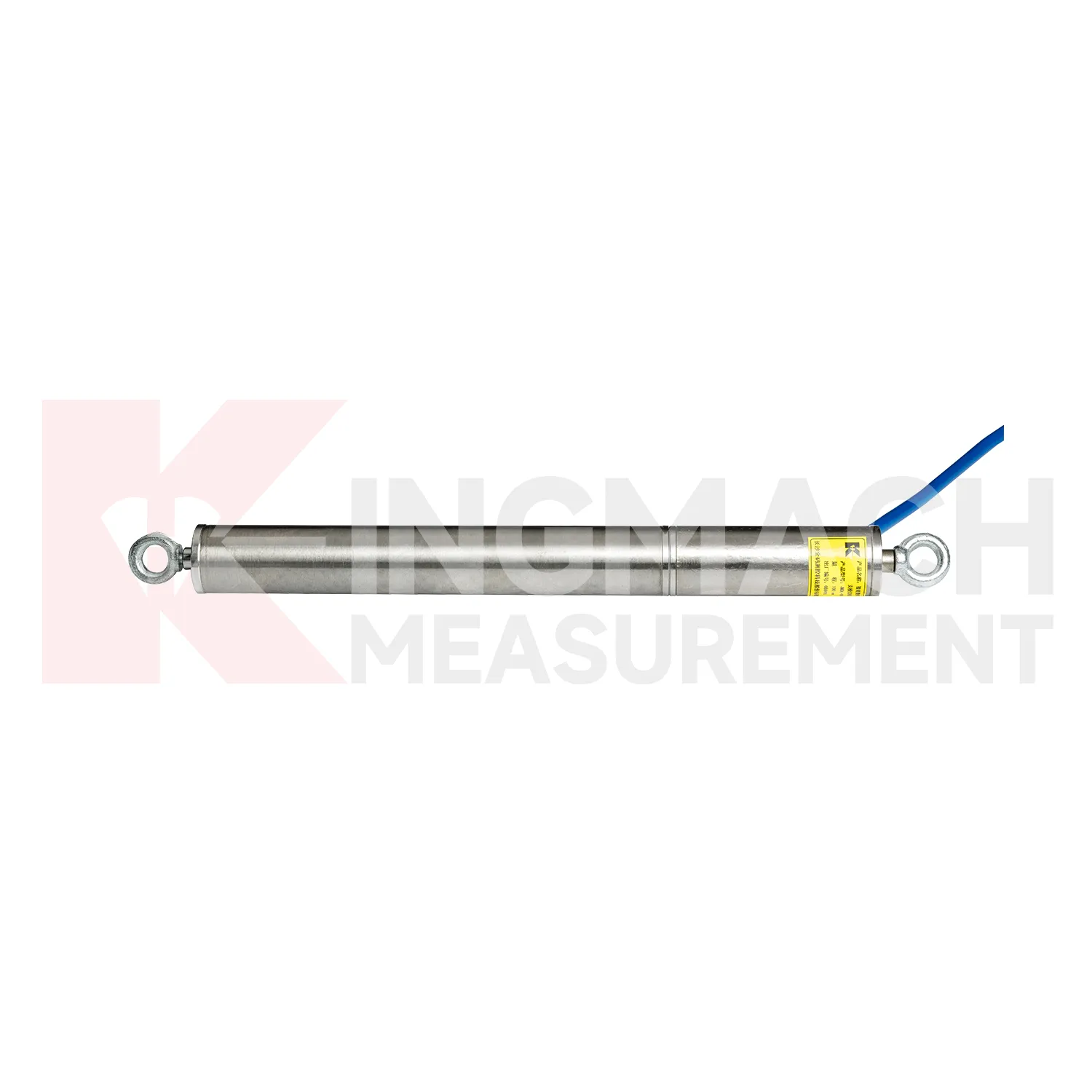
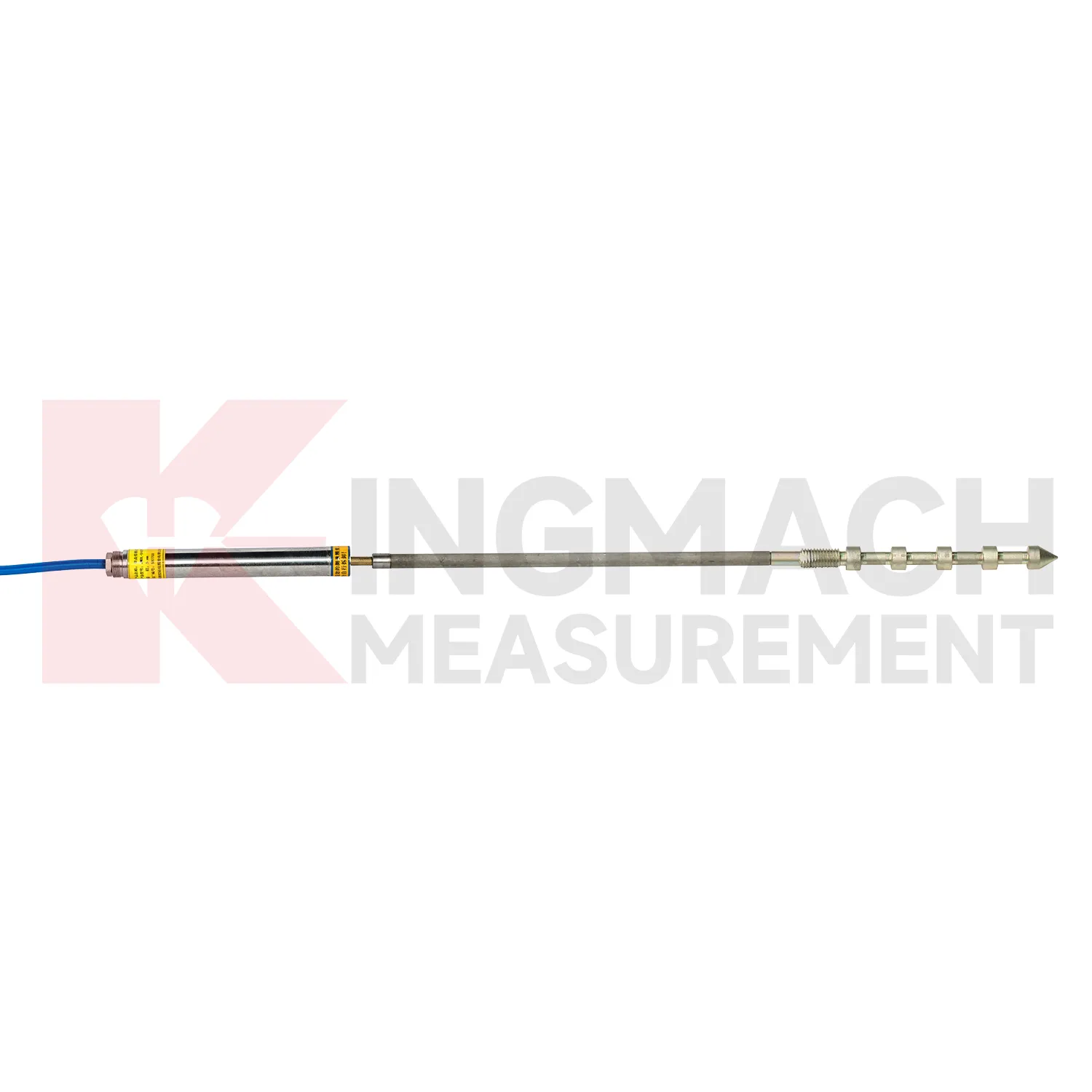
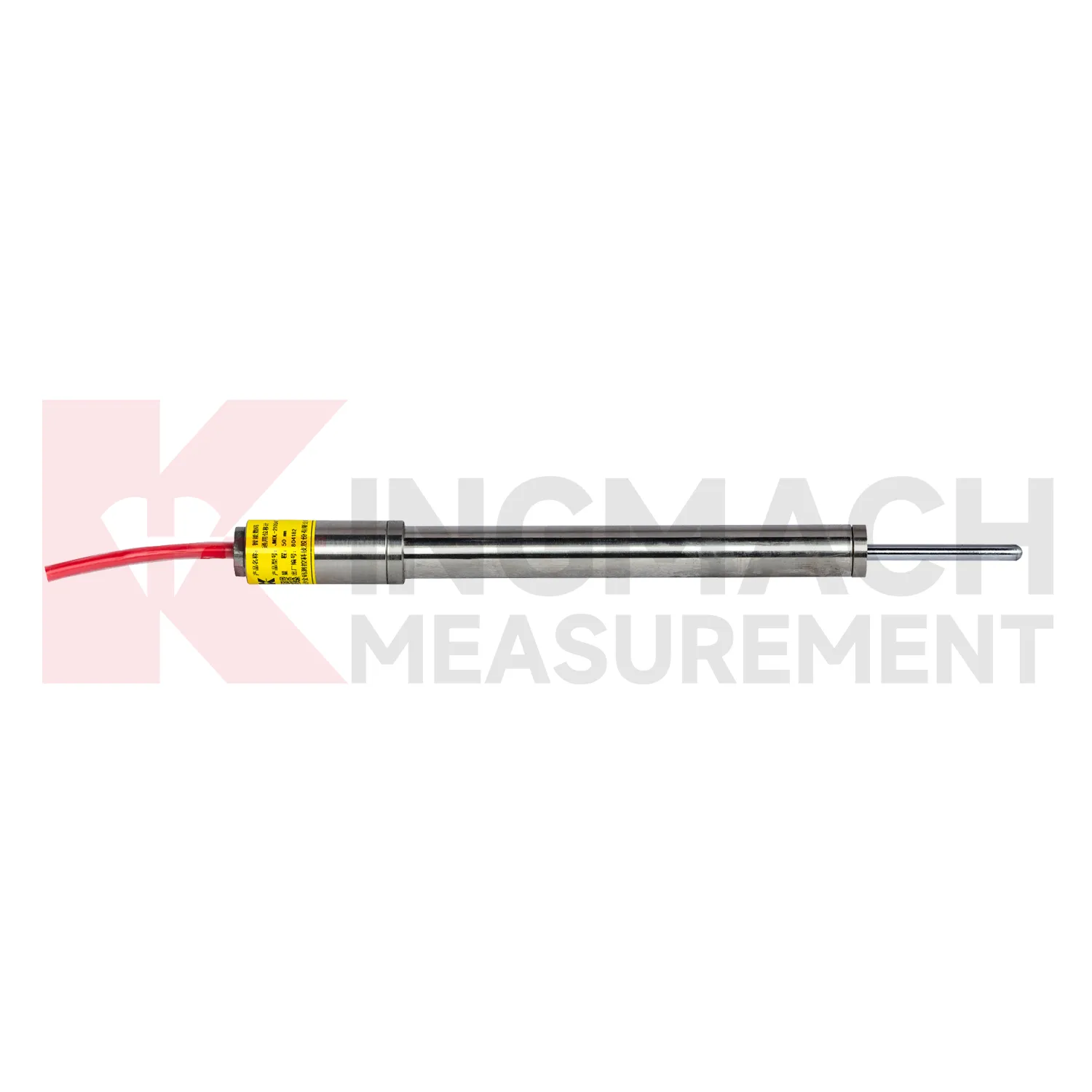
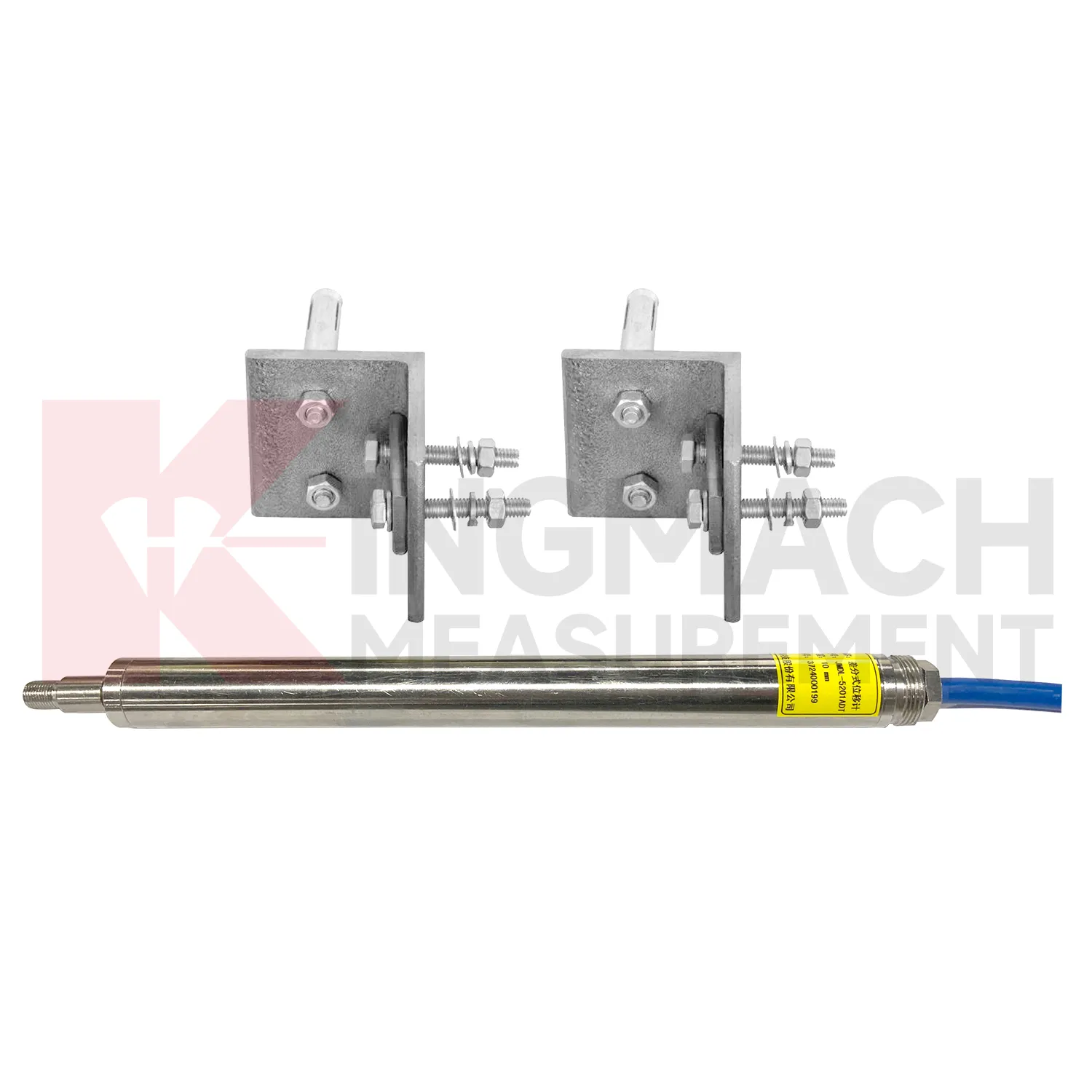
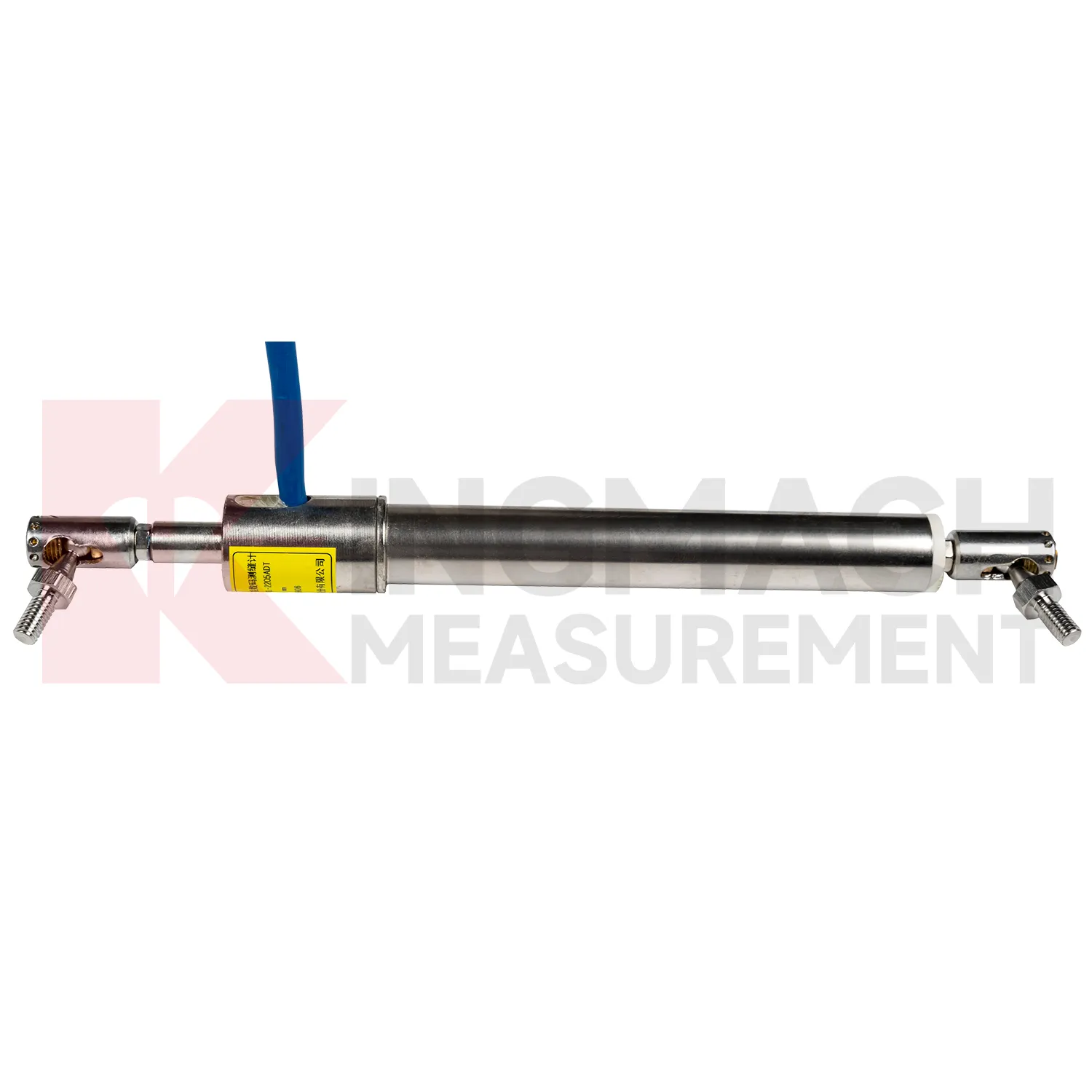
Kingmach Wire Rope Displacement Sensor include the JMDL-21XXAT Smart General-Purpose Displacement Meter, a compact instrument for relative displacement and expansion joint movement. The product is used in buildings, railways, transportation works, hydropower structures, dams, and bridge projects where two structural components may move against one another. Listed ranges include 50 mm and 100 mm, with 0.01 mm resolution and 0.5%FS accuracy. The meter is based on inductive frequency modulation, which supports high sensitivity, stable long-term observation, and low temperature influence. A built-in memory chip stores sensor model, serial number, calibration coefficient, time, temperature data for temperature versions, absolute displacement, relative displacement, and zero-point value. It can save 800 measurement results, which is useful when checking site history after construction stages or weather events. When connected to an integrated tester or automatic acquisition system, readings can be reviewed quickly without relying on manual gauge notes. During project setup, the measuring point should be matched with the expected travel direction, available mounting space, cable route, and required acquisition interval. This prevents a short-range joint instrument from being used on a long-travel point, or an exposed sensor from being placed where an embedded anchor is needed. It also helps the monitoring team set a baseline that can be defended during acceptance and later maintenance review.
Application of Wire Rope Displacement Sensor
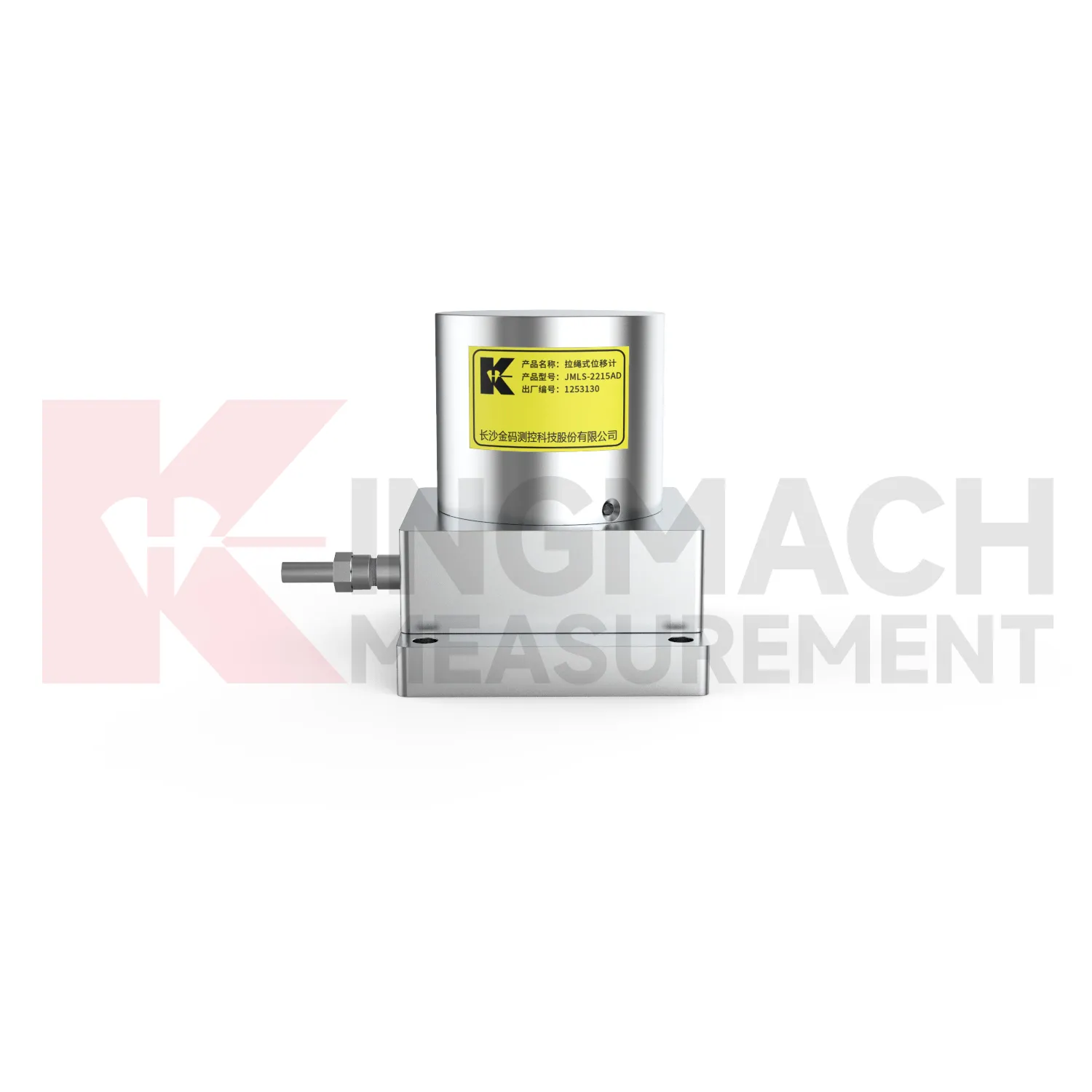
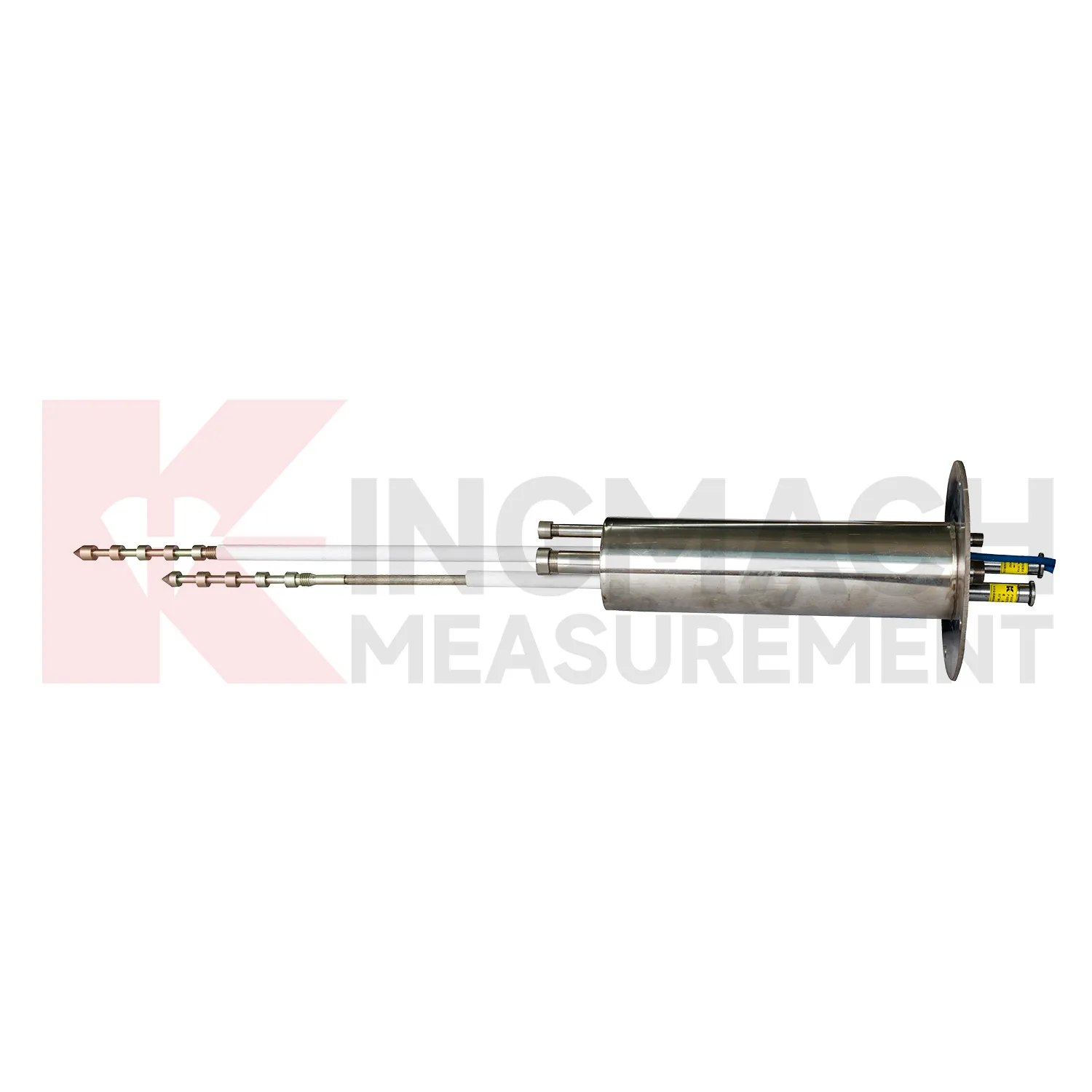
In slope and landslide monitoring, Wire Rope Displacement Sensor are used to detect surface creep, deep sliding, retaining wall movement, crack expansion, and displacement between fixed reference points. The challenge is that slope movement may be slow for weeks and then accelerate after rainfall, excavation, blasting, or traffic vibration. Kingmach JMDL-31XXAT multipoint meters can anchor several depths and separate shallow movement from deeper rock layer displacement. JMDL-32XXAT bedrock meters provide single-point embedded measurement with 50 mm, 100 mm, and 200 mm ranges, 0.01 mm resolution, 0.5%FS accuracy, and -30 degrees Celsius to +80 degrees Celsius operating temperature. JMLS-22XXADT wire rope sensors support 500 mm to 2000 mm movement paths with IP67 sealing. When these readings are reviewed with rainfall, pore pressure, tilt, and GNSS data, engineers can identify whether the slope is stable, creeping, or moving toward a warning threshold. During operation, the monitoring team should keep the baseline, temperature, inspection notes, and nearby sensor behavior in the same review file. This makes it easier to tell whether a movement trend comes from normal service, a repair event, changing load, water influence, or developing structural risk. Clear records also help owners decide when a field inspection is needed instead of waiting for visible damage.
The future of Wire Rope Displacement Sensor
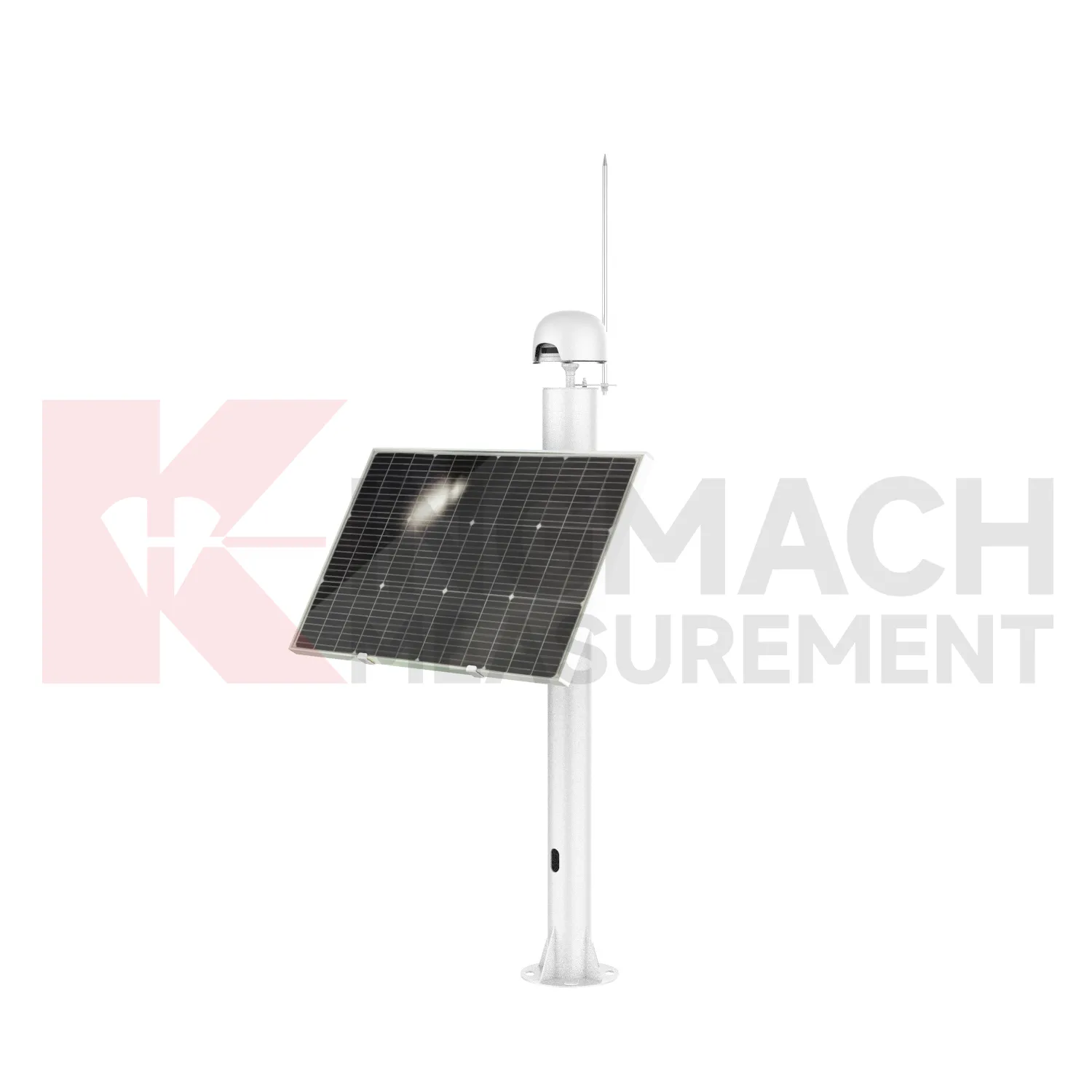
Wireless and low-power networks will change how Wire Rope Displacement Sensor are deployed on difficult sites. Many displacement points are located on slopes, dam shoulders, tunnel portals, remote rail subgrades, or temporary construction zones where cabling is expensive and easy to damage. Kingmach displacement products already support automatic acquisition in several forms, and future field layouts can combine wired RS485 points, LoRa or 4G gateways, solar power, and compact edge devices. The engineering task will be to preserve reliable baselines while reducing field maintenance. Sensors with built-in memory and stored calibration data help because the point can retain key identity information even when a gateway is replaced. Remote power planning, connector sealing, lightning protection, and clear channel naming will become as important as the sensor range itself. For remote terrain, the biggest gain will be fewer unnecessary site visits: teams can review battery status, data gaps, and movement direction before sending technicians into a hazardous or hard-to-access location.
Care & Maintenance of Wire Rope Displacement Sensor
For magnetostrictive Wire Rope Displacement Sensor, maintenance should protect the non-contact sensing advantage by keeping wiring, power, and mounting clean. Kingmach JMCW-21XXADT lists DC24V input, RS485 communication, IP67 protection, reverse polarity protection up to -36V, and wiring colors for power and RS485 lines. Confirm red, yellow, blue, and green wires before energizing the device, and check grounding in cabinets where motors, pumps, or hydraulic equipment may create electrical noise. Because the sensor is used for absolute position measurement over 0 to 1000 mm, inspect mechanical alignment and travel stops so the moving part remains within range. Do not clamp the sensing body in a way that transfers bending force from the machine frame. During service, compare repeatability at known positions and review whether position drift appears after temperature swings, maintenance work, or hydraulic cylinder repair. Keep the installation photo, point number, zero value, and expected movement direction with the commissioning record for later review. If a reading changes after maintenance work, inspect the base, anchor, cable, and cabinet before assuming the structure itself has moved.
Kingmach Wire Rope Displacement Sensor
Long-term projects need Wire Rope Displacement Sensor that can survive the same weather, vibration, cable pulling, and site handling as the structure itself. Kingmach designs several smart displacement products with built-in memory chips, digital detection, strong anti-interference capability, and direct display through compatible testers. The JMDL-22XXAT crack gauge stores up to 600 measurement results and covers 20 mm, 50 mm, 100 mm, and 200 mm models. The JMDL-21XXAT general-purpose model stores up to 800 records and can save time, temperature, absolute displacement, relative displacement, and zero-point values. These records matter during handover because the original baseline, later shifts, and abnormal readings can be checked without relying only on handwritten notes. For bridges, dams, tunnels, slopes, and buildings, that traceability helps maintenance teams judge whether a movement event is isolated, repeated, or linked with surrounding construction and environmental change. The point should be named on the drawing, linked with its cable route, and checked against the expected movement direction before the first automatic reading is accepted. For daily review, the reading should be compared with nearby points, recent weather, site operations, and any loading event that could explain the movement.
FAQ
Q: What are Wire Rope Displacement Sensor used for?
A: They measure movement such as relative displacement, crack width, expansion joint travel, bedrock deformation, rock layer movement, geogrid deformation, formwork settlement, and equipment stroke.
Q: Which Kingmach models belong to this category?
A: Common models include JMDL-21XXAT, JMDL-22XXAT, JMDL-24XXAT, JMDL-31XXAT, JMDL-32XXAT, JMDL-49XXAT, JMDL-52XXADT, JMCW-21XXADT, and JMLS-22XXADT.
Q: What range should be selected first?
A: Start from the expected movement. Short joint monitoring may need 20 mm to 100 mm, while draw-wire or equipment travel may require 500 mm to 2000 mm.
Q: Can these products support remote monitoring?
A: Yes. Several Kingmach models support digital transmission, RS485 communication, automatic acquisition, integrated testers, or unattended monitoring systems.
Q: Why is the baseline reading important?
A: All later movement is compared against the starting point. The baseline should be recorded after the sensor, bracket, anchor, cable, and structure are stable.
Reviews
Daniel Brown
Excellent environmental monitoring sensors. The data is consistent, and the system integrates smoothly with our existing setup.
Andrew Lee
The visualization software is intuitive and powerful. It helps us analyze monitoring data efficiently.
Latest Inquiries
To protect the privacy of our buyers, only public service email domains like Gmail, Yahoo, and MSN will be displayed. Additionally, only a limited portion of the inquiry content will be shown.
Mia***@gmail.comNetherlands
Dear team, we are interested in your readouts & data loggers compatible with multiple sensors. Do yo...
Harper***@gmail.comIndia
Dear Sir, we are planning to procure a complete monitoring system including strain gauges, tiltmeter...